Canada's "Catch and Release" Justice System
"Police services should not have to chase the same criminal three or four times because of an inadequate bail system. This not only represents a drain on policing resources, but is a hindrance to public safety.""[The Canadian justice system] fundamentally needs to keep anyone who poses a threat to public safety off the streets."Joint statement from Canada's 13 provincial and territorial premiers"The scale has tipped so far towards the right of the accused that the right of the public to be safe is almost a secondary issue, and that needs to tip back the other way.""It's obvious that something is not working with this catch and release system whereby people are out on bail for violent crimes and cases where the police officers haven't even finished typing the report on it yet - and in some cases paroled and notations made in the file that they're highly likely to re-offend.""I mean, what is wrong with that picture? It's not good for public safety, and it's certainly not good for officer safety."Former OPP commissioner Chris Lewis
 |
| North Bay Police Chief says the public is fed-up and police officers are frustrated with repeat offenders getting out on bail. |
"The Ontario Association of Chiefs of Police (OACP) endorses the Canadian Association of Chiefs of Police’s (CACP) statement issued on May 17, 2023, which welcomed the introduction of Bill C-48, An Act to Amend the Criminal Code (Bail Reform), by the Government of Canada.""Ontario’s police leaders welcome the proposed changes to the Criminal Code of Canada related to the bail system. In our view, the legislative changes in Bill C-48 are a step in the right direction in eliminating and preventing potential threats to public safety and community well-being posed by repeat offenders with a history of violence.""Incidents of repeat offenders with a history of violence being granted judicial interim release and committing violent criminal acts are not uncommon today. As police professionals, we will always advocate strongly for the public’s right to be protected from repeat violent offenders. The public’s need for protection from harm must be given far greater weight than is currently the case when bail matters are considered. The safety and security of Canadians must be paramount when it comes to this issue."Ontario Association of Chiefs of Police
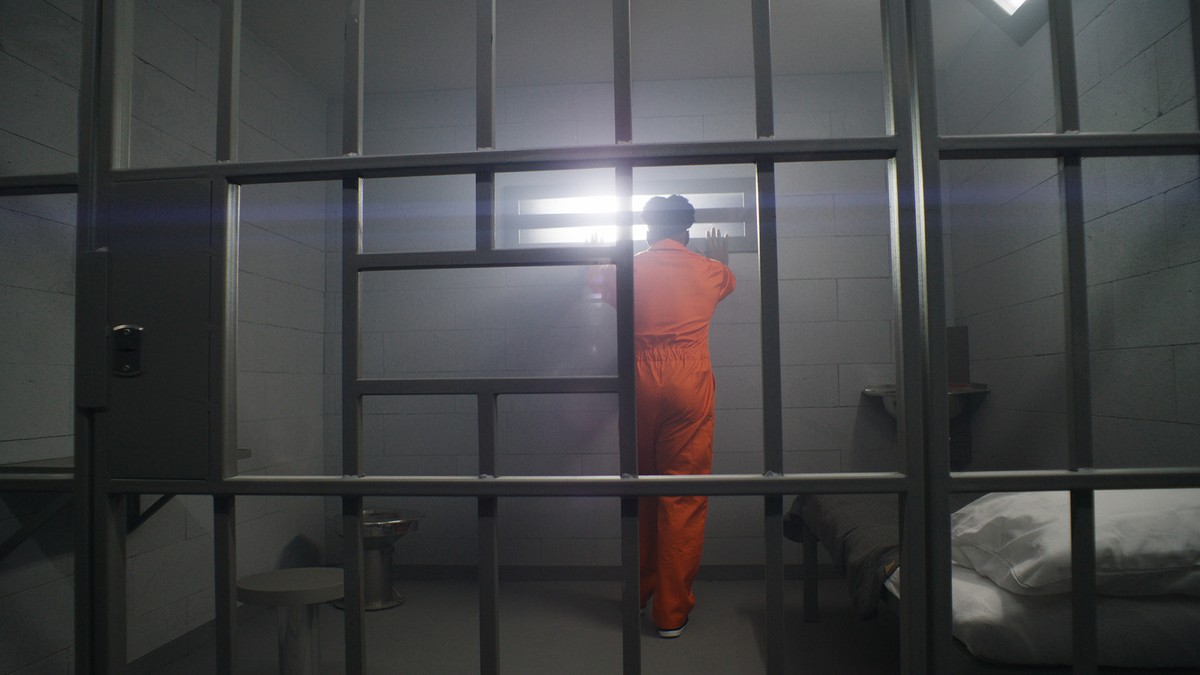 |
| In the past decade, identity-based justice and a distaste for punishment has created a regime that allows chronic offenders to walk free. Tristin Hopper, National Post |
In
Canada, justices must adhere to a 2018 federal government explicit
provision to hand out bail readily in the instance of Indigenous
suspects of crime. A guidance document instructs judges they are
required to consider the "circumstances of Indigenous accused and of accused from vulnerable populations".
A crime wave more extreme than anything before experienced struck
Canada after the COVID-19 lockdowns with disturbingly serious crimes
reaching heights never before seen.
Unprecedented
numbers of police were killed, not matching the historical record where
police in Canada are killed in the line of duty encountering violent
suspects or executing a warrant. Instead, the recent police murders have
resulted from cold-blooded ambushes. In major Canadian cities "stranger
attacks" have become a daily occurrence. Where people have been
randomly stabbed to death in public spaces. A 2023 Leger poll found that
the vast majority of respondents not only feel less safe, but are in
fact, less safe.
In
the streets of Canadian cities people report encounters where they have
been screamed at, threatened and assaulted and some experts attribute
this situation to a justice system manipulated to accept that prisons
produce worse crime outputs, that punishment as a social deterrent
concept is outdated in a justice system that is more concerned with an
offender's identity than their crime, and it becomes the former that
punishment is predicated on.
Before long, the criminal class understood that crimes they commit would lead to 'punishment light'.
 |
| Surveillance footage from what Vancouver police described as an 'unprovoked' attack on a man outside a convenience store on Commercial Drive early July 31, 2022. (Vancouver Police Department) |
Most
crime, according to criminology experts, tends to be committed by a
tight little cohort of chronic offenders. Police forces in Western
Canada use the term "super-chronic offender", defined as someone who
commits over one crime monthly. The B.C. Urban Mayors' Caucus in 2022
detailed that 204 offenders were responsible for 11,648 career
convictions among them, with an average of 54 crimes committed by each
individual of the cadre.
Individuals
newly released from incarceration or police custody are now committing
entire crime waves. Random, violent assaults plaguing the city of
Vancouver saw its police service crunching numbers to find a trend among
those arrested for committing a "stranger assault"; 78 percent already
had an earned prior criminal conviction. In a three month period from
March to June 2022, the Vancouver Police arrested forty suspects
connected to stranger attacks. When all 40 individuals' "prior police
interactions" were tallied; the total came to 3,892.
These
statistics and the conditions that lead to them explains why it is that
police departments in Canada are increasingly vocal in the absurdity of
the situation; apprehending criminals only to see them swiftly return
to the streets on compassionate bail. In a 2023 letter, the Canadian
Association of Chiefs of Police spoke of a "criminal justice system that renders much of our work pointless."
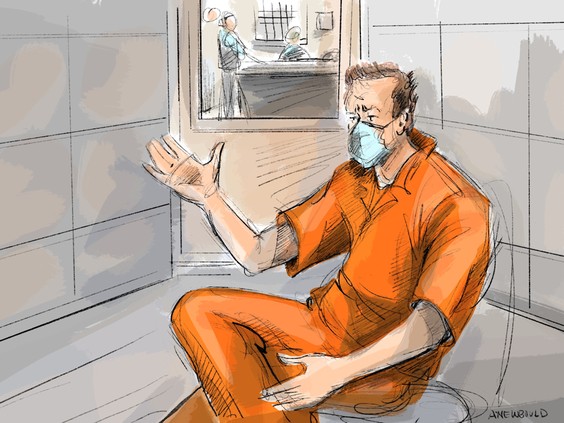 |
| A sketch of Ryan Cunneen making a court appearance in Toronto on Tuesday. He is accused of killing an elderly woman in Toronto last week in a seemingly unprovoked attack in the city's financial district. Photo by THE CANADIAN PRESS/Alexandra Newbould |
Labels: 'Stranger Attacks', Bail System, Canada, Increased Crime, Police Killings, Sentencing 'Light' for Indigenous/Visible Minority Groups
posted by Pieface @ Sunday, April 20, 2025


<< Home