"[The curfew] allows us to take preventive action before damage is done."
"They [arrested teenagers] weren't punished and came back and started vandalizing and stealing again."
Anthony Rouet, head, municipal police, Triel-sur-Seine, France
"[The problem of] applying the law in certain poor neighbourhoods like
Pissevin in Nîmes remains."
"The level of
delinquency and criminality, whether economically motivated or not,
makes police action difficult."
Thomas Sauvadet, sociologist, expert on
youth delinquency, Paris Est Créteil University
"[The curfew is of course] a communication strategy on the part of the
public authorities."
"They need to show they are doing
something."
"A curfew is not easy to enforce in neighbourhoods
where the police only intervene in an offensive mode, and in urban
configurations where their presence is quickly spotted by lookouts who
alert the drug dealers."
"Let’s not forget that it’s easier for drug dealers to involve young
people in their business because there are many teenagers in these poor
neighbourhoods who left school early and have no qualifications."
"Their parents are part of the 40 percent of the French population
who can’t afford to leave their homes to go on vacation, and they see
this activity as ‘a way out’, or at least as a way to live a little
better."
"The level of impunity is truly worrying. It terrifies inhabitants –
and rightly so. And the youths who possess firearms and use them are
generally over 16 [an age group not included in the curfew]."
Laurent Mucchielli, sociologist, research
director, France's national research centre (CNRS) specializing in
delinquency and security policy
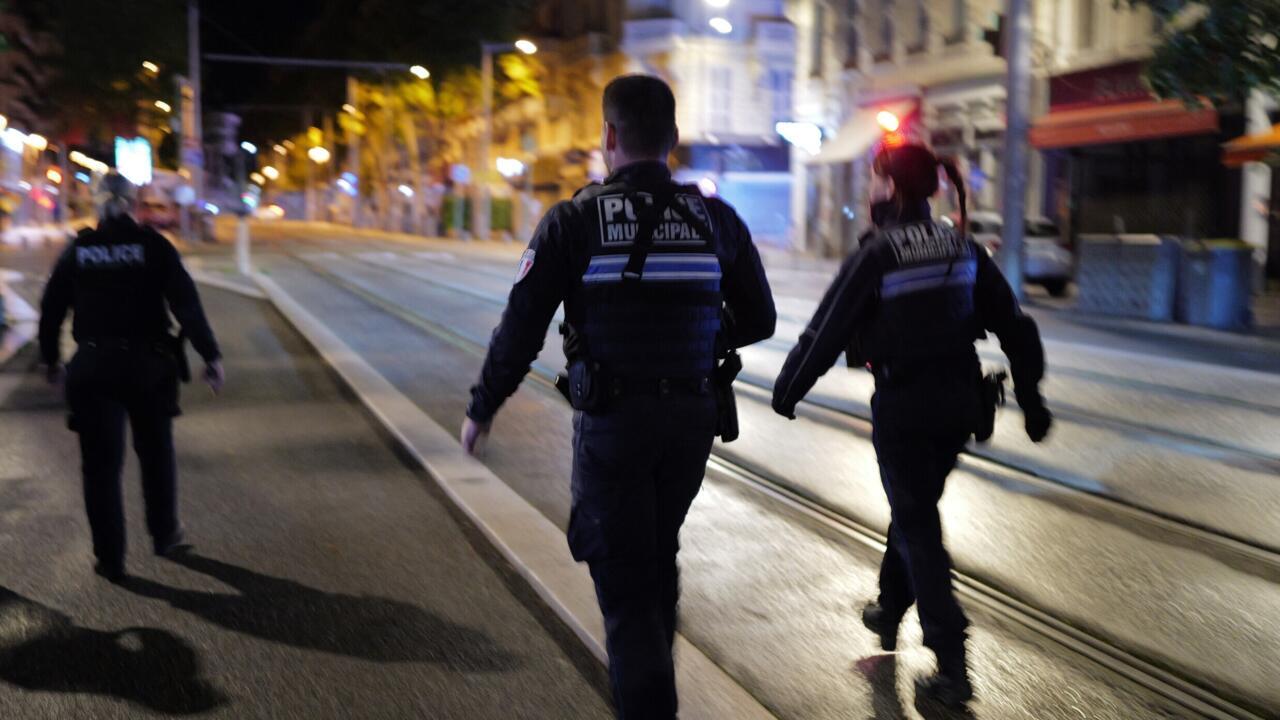
Municipal police patrol a street in the southern
French city of Nice after a nighttime curfew for children under 13 was
implemented by decree, April 2, 2024.Valery Hache, AFP
A
curfew for teens has been imposed in a number of French cities this
summer in the hopes this will help to curb youth violence. Some experts
feel the minors curfew will do nothing to reduce crime, but there is at
least one French mayor who thinks otherwise. Mayor Cedric Aoun of
Tiel-sur-Seine, some 35 kilometres west of Paris, stated: "It's become very quiet",
of the 11 p.m. to 5:00 a.m. curfew for under-18s. A series of incidents
involving damage of public property and theft led to the imposition of
the curfew.
As a result, according to Mayor Aoun, many families
have been convinced they must begin taking parental responsibilities
more seriously. "Parents are much more careful",
he claims. Irrespective of the political perspective of their mayors,
an increasing number of French towns are enforcing curfews for
teenagers, in seeking a response to youth crime.
A
temporary curfew was introduced in the southern city of Nimes, for
children under 16 following a number of urban violence incidents linked
to drug trafficking. In the southeastern suburbs of the French capital
-- Beziers, Saint-Ouen-sur-Seine north of Paris and Villecresnes in the
southeast have adopted similar bans on youth roaming about after dark.
Six
percent of crimes last year were thought to have been carried out by
teens aged between 13 and 17, according to the interior ministry, with
over a third of violent robberies without weapons attributed to suspects
in that age group. Still, there is difficulty in assessing
effectiveness of the curfews for minors.
More towns in France are enforcing curfews for teenagers as authorities seek to respond to youth crime (Valery HACHE)
Officers
stopped a group of minors during a recent nighttime patrol in
Triel-sur-Seine who had huddled together in a square, 45 minutes after
the start of the curfew, claiming they were unaware of the
curfew. Anthony Rouet, head of Triel-sur-Seine's police reported his
team had for the most part spoken with teens about the nighttime ban on
being out in the streets, but hadn't yet had occasion to issue tickets,
while acknowledging that when police did report some teens to the
judiciary, this had not had the desired effect of deterring them from
reoffending.
Rights campaigners on the other hand, argue for more
community engagement in place of bans. The French Human Rights League
has taken legal action against the ban in Triel-sur-Seine. "This is not an effective response" said Nathalie Tehio, head of the League, calling for development of "educational measures" instead of "repressive" bans.
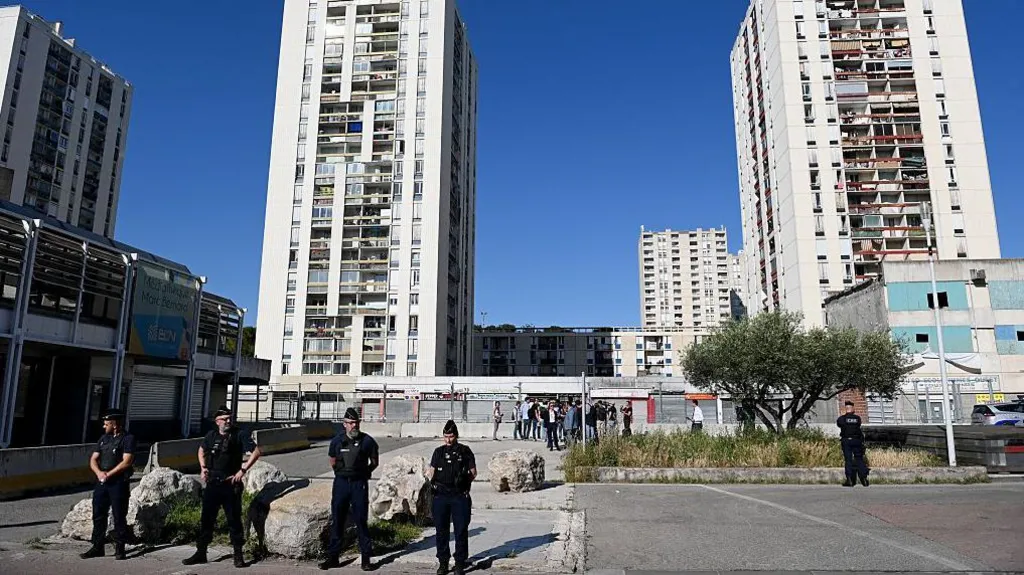
Authorities in Nîmes have said extra police officers will be called in Getty Images
This represents a general opinion site for its author. It also offers a space for the author to record her experiences and perceptions,both personal and public. This is rendered obvious by the content contained in the blog, but the space is here inviting me to write. And so I do.




<< Home