Great and Unfortunate Things
"[Some universities] failed to do the proper due diligence.""We see now that he was not completely honest and he clearly did have frailties and failings. But he was teed up by a number of academic institutions because they desperately wanted a wunderkind.""They desperately wanted to play on the fact he was young and Black and good-looking, and they wanted him to be their poster child."James Cleverly, Black member of Parliament"[Rather than trumpeting Arday's position as the university's youngest-ever Black professor Cambridge] could quietly have nurtured his talents and sorted out his problems, which were surely those of a young man out of his depth rather than a brazen impostor.""It was the university, not the press, which was obsessed [with the colour of Arday's skin."Charles Moore, former editor, Daily Telegraph"Academic plagiarists don't usually make headlines, but Arday was not any old academic.""He was publishing a high-profile memoir with celebrity blurbs ... He had chosen the spotlight."Sarah Ditum, Times of London
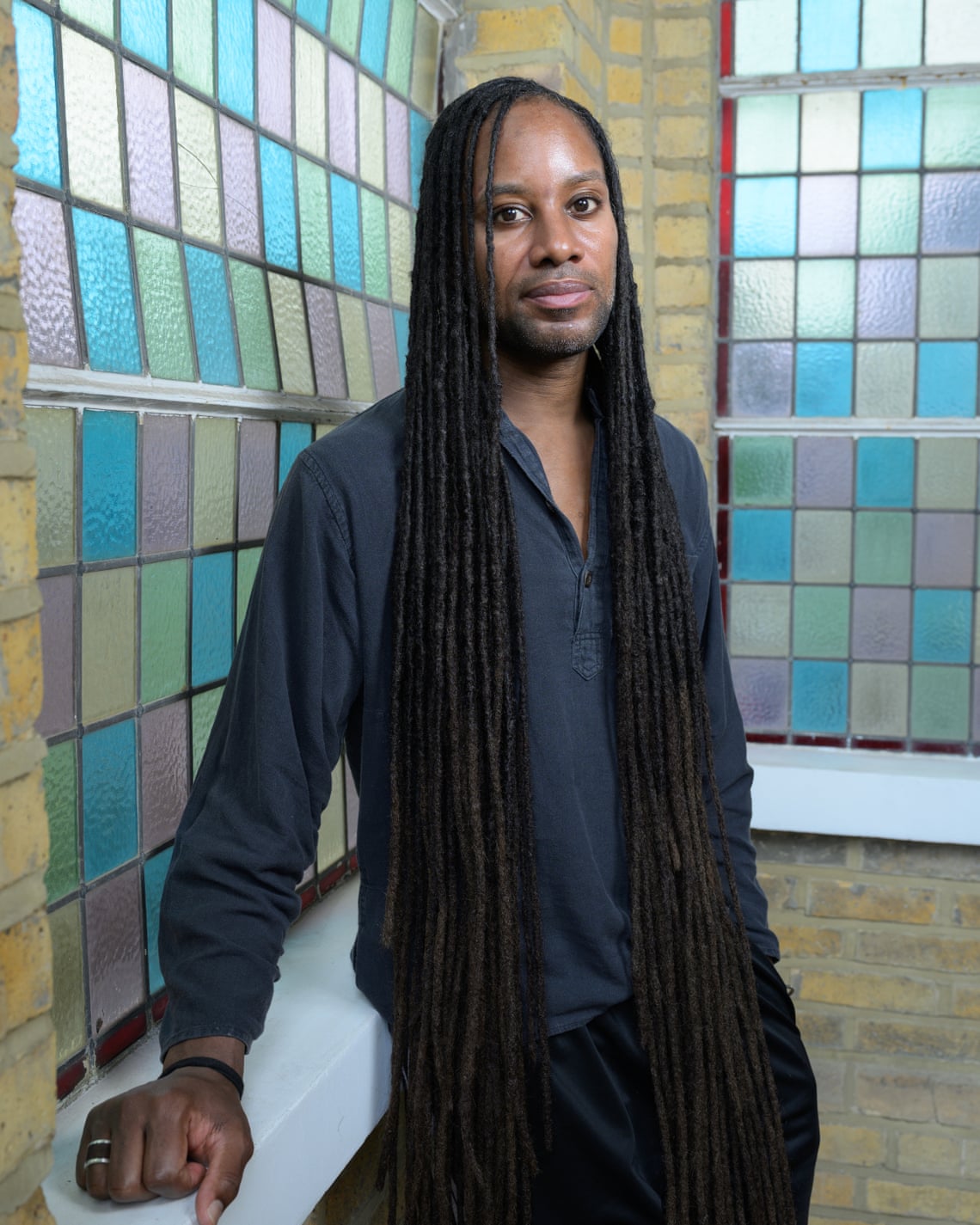 |
| Superstar academic Jason Arday, Guardian |
In
2023 Cambridge University announced they had hired their youngest Black
professor in the history of that grandest of academic institutions in
Britain. Glowing with pride that they weren't too grand to welcome
aboard a prodigy who just happened to be a young Black man with a
self-confessed misfortune of ill health as a child, yet managed to
overcome all odds to become what he presented himself as more latterly,
an over-achiever whose accomplishments in sports and cerebral
functioning were truly heroic.
Unfortunately
his tenure at Cambridge came to an embarrassingly abrupt cessation.
After three years of adulation as a Black Cambridge professor, hired as
such at age 37, scandalous charges began to erupt, thanks to the efforts
of a former Cambridge researcher who had balked with rage over the
diversity agenda that had overtaken Cambridge. From his new perch in the
Australian halls of academia, Nathan Cofnas announced evidence of
plagiarism in Professor Arday's PhD thesis.
Cambridge's vaunted "respected scholar"
who focused on developing representation of Black, Asian and other
minorities in higher education had stumbled and toppled off his
pedestal. The young man who asserted having been born with a form of
autism spectrum disorder, affecting him with an inability to vocalize
until he reached 11 years of age, speedily obtaining reading and writing
skills several years later, stewed for weeks in media reports that
claimed all of this to be fiction.
The
focus of British universities on the hiring of academics representing
racial and ethnic minority groups in a virtuous dedication to seeing
their faculties reflect the characteristics of their greater presence in
the evolved Britain that immigration, refugee and migrant intake had
resulted in, arrived at a thudding obstacle. A setback for their program
of hiring academics from racial and ethnic minorities in a Britain
sensitive to the new faces stippling its population.
The
feeding frenzy of the news media in analyzing Professor Arday's thesis,
questioning his claims of having run 30 marathons in 35 days and
raising $5.5 million pounds for charity all came under deep scrutiny.
Professor Arday's memoir, "Great and Unfortunate Things" published only two weeks earlier, fed the race to debase the claims made by this man caught up in a maelstrom of defamation.
While
Cambridge initially supported their Black prodigy, the scorn was just
too much to bear for that august institution. If they melted under the
heat of media publishing hundreds of debunking stories, it can only be
imagined the desolation and despair that overtook young Jason Arday,
helplessly seeing his world crumble at his feet. He resigned the very
day that Cambridge stated it would open an investigaton in view of "new information" received about their young professor's "qualifications".
Simon Baron-Cohen, director of Cambridge University's Autism Research Centre warned that the focus of the media on a "vulnerable autistic man" rasied "safeguarding issues",
which resonated with large segments of the population, who signed an
open letter for the government to commission a public enquiry into the
role the media played in dismissing and denigrating a socially and
psychologically vulnerable man.
Social
activist Patrick Vernon wrote that people should remember Jason Arday
as a husband and father and not how the headlines portrayed him. I was
his initiative that created a GoFundMe campaign to assist Arday's family
after he committed suicide in a state of despair and humiliation. Dead
at age 41, his life story, his dignity, his accomplishments reduced to
lies that led others to believe he was what he imagined himself to be,
not as he truly was. He has paid the ultimate price from an unforgiving
public.
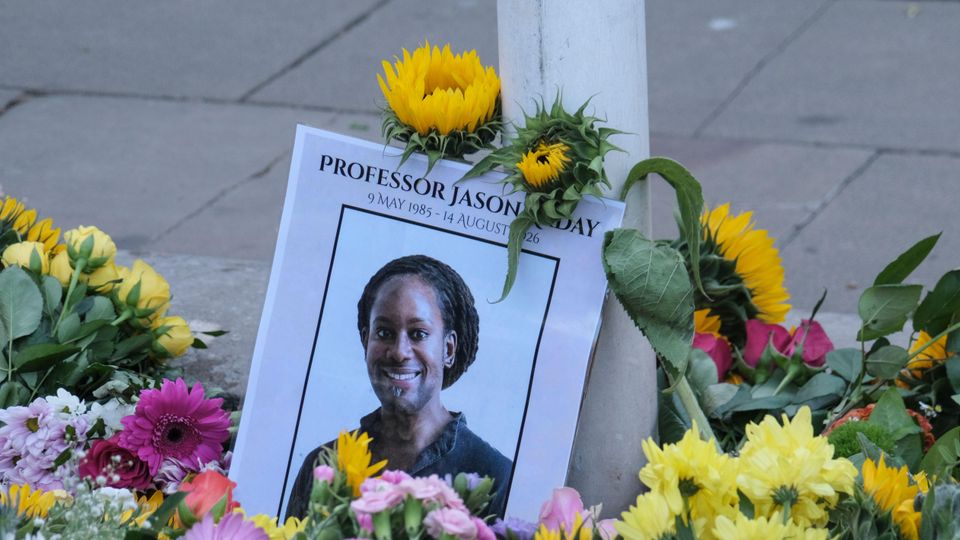 |
| Alamy |
"He's not the prime minister of this country. He's not a current secretary of the civil service or local government or the [National Health Service].""But he was treated at the same standard, which is outrageous."This [GoFundMe campaign] tells you that Britain still cares about justice, they care about inequalities.""And more importantly, they really want to support Jason and his family in their hour of need."Sir Patrick Vernon, British social commentator, social activist
Labels: Britain, Cambridge University Doctoral Thesis, Jason Arday, Plagiarism Accusations, Professor of Sociology of Education, Suicide
posted by Pieface @ Tuesday, August 25, 2026


<< Home