"We Will See Where Things Lead..."
"The problem with the strait is this. Let's say we do a great job. We say we got 99 percent. One percent is unacceptable, because one percent is a missile going into the hull of a ship that cost $1 billion.""If we do a 99 percent decimation, that's no good.""I read a story today that I'm desperate to make a deal. I'm not. I'm the opposite of desperate. I don't care. ... In fact, we have other targets we want to hit before we leave. ""I don't like to say this, we've won this. This war has been won. They have no navy and they have no air force, and they have nothing.""And we literally have planes flying over Tehran and other parts of their country They can't do a thing about it."U.S. President Donald J. Trump
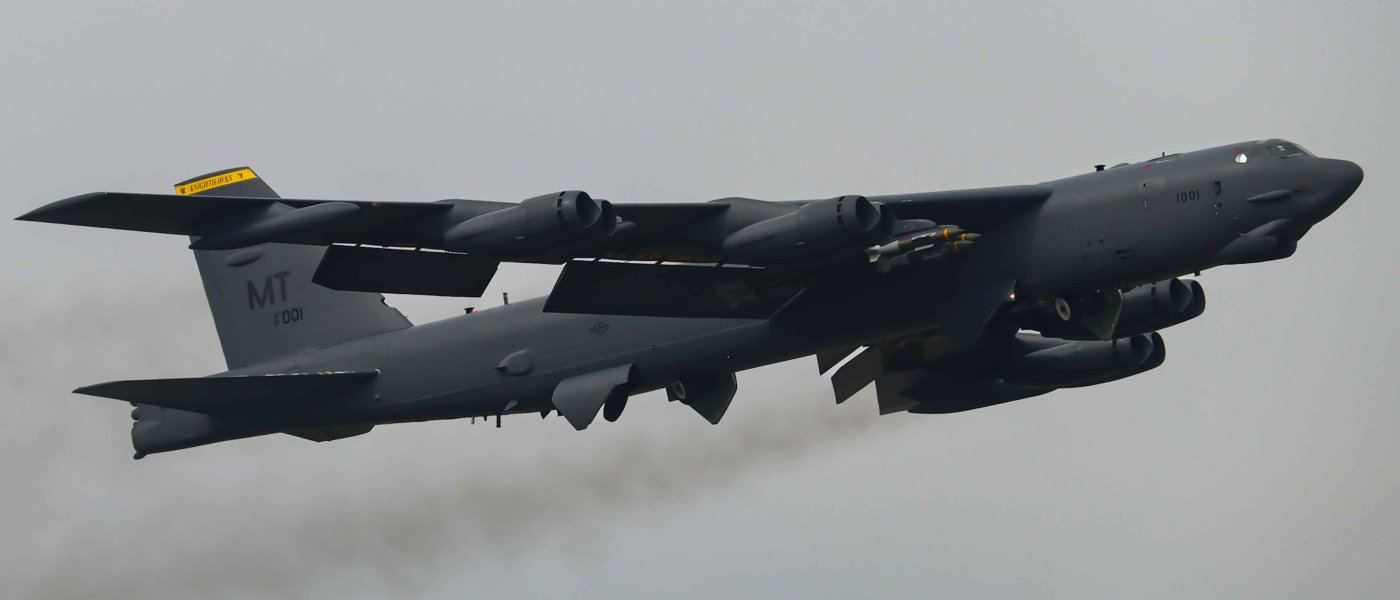 |
| Photo: Lee Hathaway |
"Iran wants to fight this war of attrition.""Once the war got underway, they had two objectives. One was to survive, but the second was to outlast Trump.""Make the U.S. feel so much pain through the economy, strikes on the energy infrastructure, that they don't do it again.""What they're trying to ensure is that Israel doesn't go in and do a war like they do in Lebanon every six months."Nate Swanson, former U.S. diplomat"Mr. President, you are acting now to ensure future generations do not have to live under the threat of a nuclear-armed Iran.""Unlike Iraq, this isn't a tie. This is not parity. This is is not chaos. This is success.""Pure American success on plan."
U.S. Defense Secretary Pete Hegseth"The American position was essentially Iranian surrender, and the Iranian response was essentially American surrender.""The American position was, 'Get rid of your nuclear program, missiles and proxies', and the Iranian position was, 'Compensate us for our losses, and get out of the Middle East'."Ilan Goldenberg, Middle East policy adviser for the Biden administration
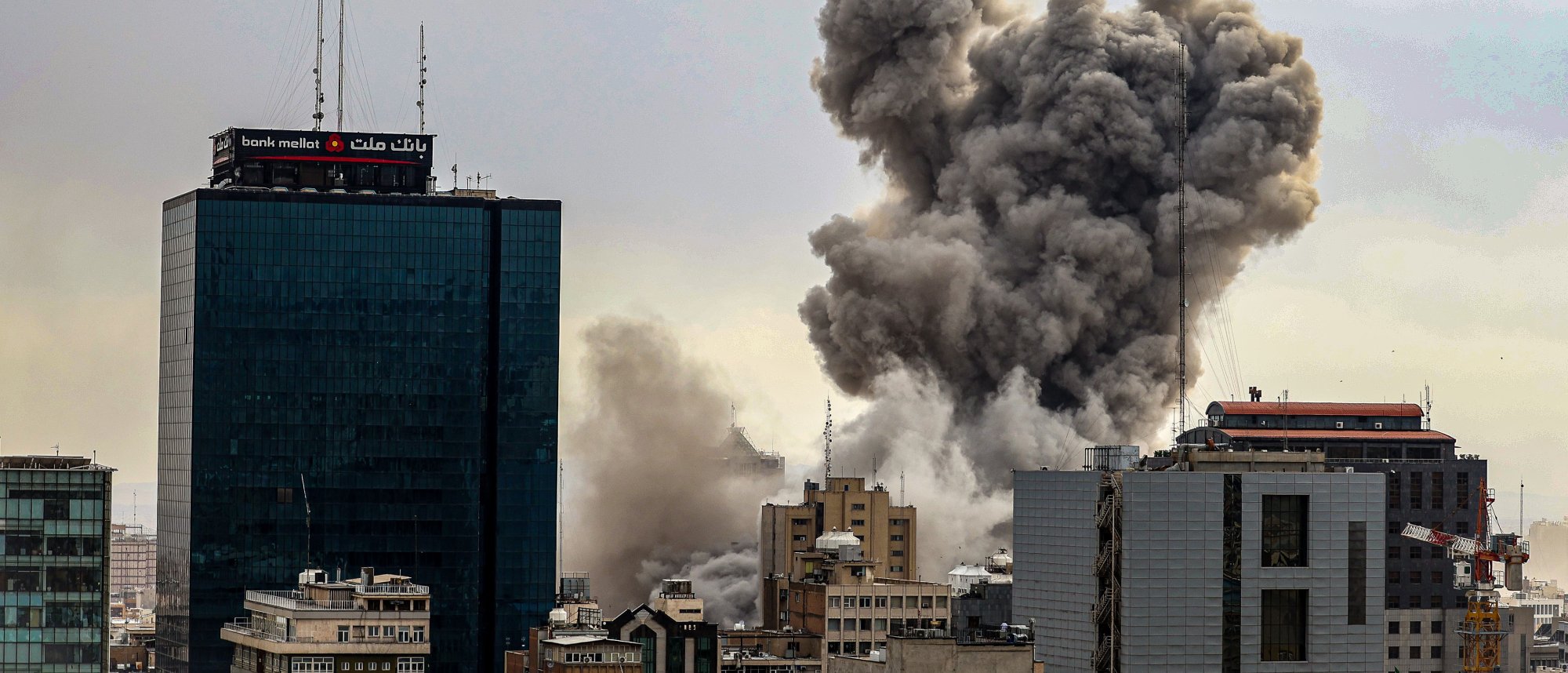 |
| War in Iran Center for Strategic and International Studies |
Four
weeks after the start of the February 28 aerial bombardment by U.S. and
Israeli warplanes over Iran, those left in positions of power to
represent the Islamic regime are no closer to surrendering to American
demands than they were prior to the conflict. This, despite that their
elite leaders both at the governing level and from the Islamic
Republican Guard Corps have been dispatched to hold counsel with the
Hidden Mahdi in Paradise, and a succession of lesser authority figures
stepping in to take their place, in a roundtable of continuing precision
strikes picks off each substitute.
The
situation appears now to be in the defiant hands of the IRGC and even
there it is questionable who has assumed the position of elite enforcer.
On the American side, the war has proven to be extremely unpopular
among American citizens. The U.S. legacy press is not in support of
ongoing hostilities, the European Union is tying itself into knots
trying to avoid Mr. Trump's accusations of elusive allies in a pinch,
and China and Russia are ever ready at the UN to vote down any sanctions
against their ally, Iran.
The
signature closure of the Strait of Hormuz has struck the world economy
and the stock market, an uncomfortable position for the Trump
administration to find itself glued to. The threat and danger to global
shipping targeted by Iran and the IRGC has thrown the shipment of oil,
gas and fertilizer off kilter. The U.S. is self-sufficient in energy
resources; it is Europe whose sourcing of energy revolves hugely around
Iran that will suffer; still none among them is prepared to enlist in
the U.S.-Israeli conflict in Iran.
The
Gulf States, most geographically vulnerable to a desperate Iran with
too many missiles and drones at its disposal, and receiving the blunt
end of Iranian revenge-spite, speak of defence, but mostly hang their
expectations on the U.S.-Israeli duo to rid the Middle East of the
simmering threat of the Islamic Republic's nuclear threat and its
terrorist proxies. They are anxious to see the job done and over with
and the threat they've been living under since 1979 dispensed with.
Pressing
help from the European and Asian nations to secure the Strait of
Hormuz, Secretary of State Marco Rubio met with as much success as did
the U.S. President. All are eager to do their part with one proviso: the
conflict must first come to an end. In five national surveys in a week
it was revealed that Americans oppose the war and fail to approve of its
handling by their president. This, though Americans support efforts to
stop Iran from nuclear weapons.
"We will see where things lead, and if we can convince Iran that this is the inflection point, with no good alternatives for them other than more death and destruction -- we have strong signs that this is a possibility -- and if a deal happens, it will be great for the country of Iran, for the entire region and the world at large."Steve Witkoff, U.S. peace envoy
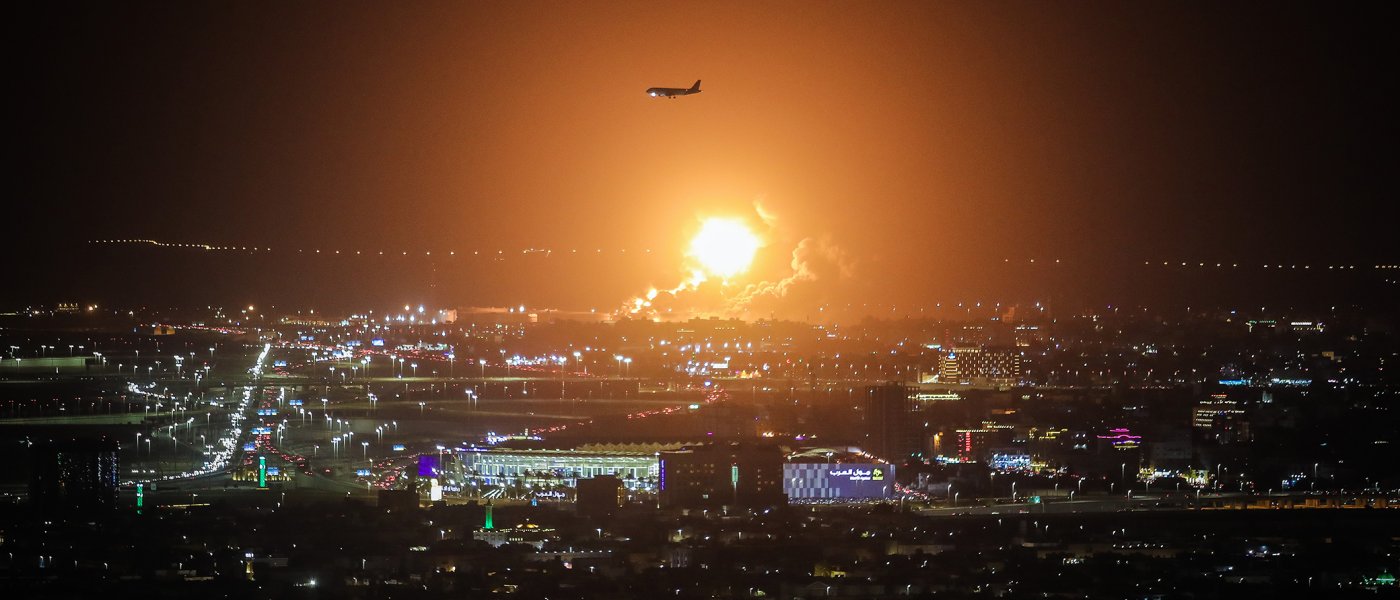 |
| Photo: Stringer/Anadolu Agency/Getty Images |
Labels: European Union, Gulf States Islamic Republic of Iran, Islamic Republican Guard Corps, Strait of Hormuz, U.S.-Israel Aerial Conflict Over Iran
posted by Pieface @ Tuesday, March 31, 2026


<< Home