The Houthi Guerrilla Warfare Against Saudi Arabia
Three days following the October 7 attack on Israel, Yemen’s Houthi leader Abdel-Malek al-Houthi warned that if the United States intervenes in the Hamas-Israel War directly, the group will respond by taking military action. In mid-October, U.S. officials announced that the USS Carney downed several Houthi cruise missiles and drones fired toward Israel. The Houthis continued to launch several rounds of missiles and drones until it officially announced entry into the war to support Palestinians in the Gaza Strip on October 31. Houthi attacks of the same nature continued into November. On November 19, the Houthis hijacked a commercial ship in the Red Sea and have since attacked at least thirty-three others with drones, missiles, and speed boats as of late January 2024. As a result, major shipping companies have stopped using the Red Sea—through which almost 15 percent of global seaborne trade passes—and have rerouted to take longer and costlier journeys around Southern Africa instead. The situation has resulted in heightened shipping and insurance costs, stoking fears of a renewed cost-of-living crisis. In response to the consistent Houthi attacks in the Red Sea, the United States and United Kingdom carried out coordinated air strikes on Houthi targets in Yemen on January 11 and January 22. It is unclear whether the attacks will cease in the near future, with the Houthis vowing to persist in their military operations until a ceasefire is agreed to in the Gaza Strip and aid is allowed into the enclave.Global Conflict Tracker
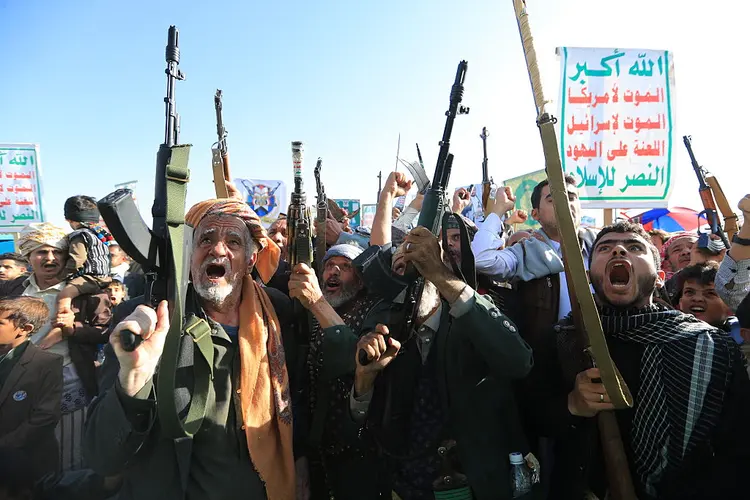 |
| Supporters of the Houthis gather during a protest against Saudi intervention in Yemen, in Sanaa, on Oct. 9, 2026. Mohammed Huwais—Getty Images |
“Operations toward Saudi depths will continue in the coming days,” said Houthi military spokesman Yahya Saree, describing the locations as “legitimate targets” and framing their attacks as a direct response to Saudi strikes on Yemen. Saudi-led forces said they had intercepted a ballistic missile fired by the Houthis towards Riyadh on Wednesday and local journalists reported hearing “loud blasts” in the Saudi capital.Saudi Arabia is the world’s top purchaser of American weapons, according to the Stockholm International Peace Research Institute. However, it is struggling to defend itself against the Houthis, who are positioned to strike deep into the kingdom. The Saudis are currently investigating how their defense systems failed to stop the deadly attacks. Experts cite the vast mass of Saudi land as one reason why defensive measures may have failed. The Saudi border with Yemen stretches more than 800 miles. “Expecting a country the size of Saudi Arabia to intercept every missile is simply unrealistic. No defense can guarantee complete protection,” said Ali Shihabi, a Saudi analyst, in an online post.Time Magazine
Over 300 people were struck when a Houthi missile struck King Khalid International Airport in Riyadh, Saudi Arabia on October 10. The attack left 13 people dead and hundreds injured. A terminal full of travellers was deliberately targeted by the Houthis in their terrorist war on Saudi Arabia. Their leader, Abdul Malik al-Houthi does not expose himself. After spending several decades building his terrorist network backed by the Islamic Republic of Iran, he sequesters himself in the mountains, communicating his orders by video.
Each time the Houthis have signed a peace agreement, their leader has cynically broken every one, once sufficient time has been passed in a 'truce' to enable the militias to rearm, restructure, and recruit before returning to the attack anew. Over a thousand ballistic missiles and drones have been fired by the Houthis into Saudi Arabia since March of 2016. A Houthi engineer was known to have instructed the terror group in East Africa, Al Shabaab, on how to modify drones and manufacture bombs.
An American intelligence company disclosed in September that a weapons cell in northern Yemen controlled by the Houthis had attempted to write guidance software for a long-range missile. It is for the world to imagine what a terrorist army could accomplish on a much wider scale should it succeed in producing its very own missiles. The southern entrance to the Red Sea, the Bab-Mandab Strait that the Houthis have threatened to close would see some ten percent of world trade unable to use the passageway.
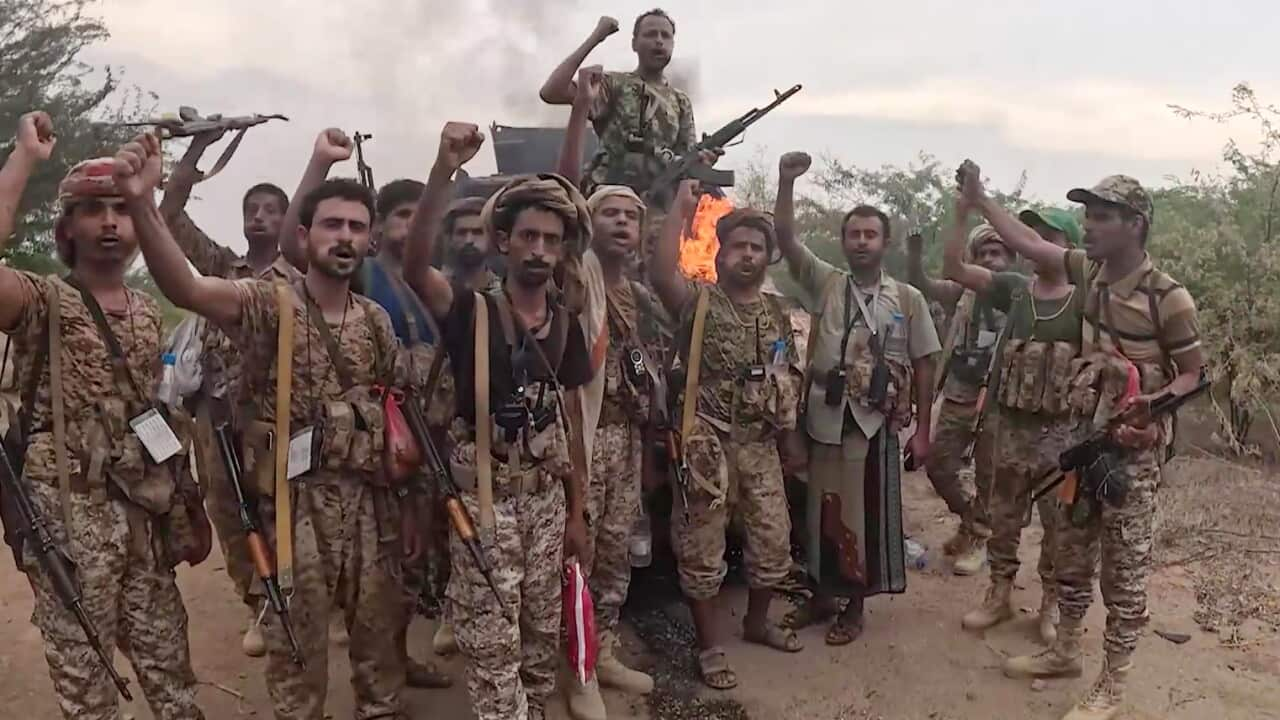 |
| Experts say a perfect storm of factors has left Saudi Arabia's vulnerable to a ragtag group of Yemeni fighters. Source: Getty / Mohammed Hamoud / Houthi Media Center |
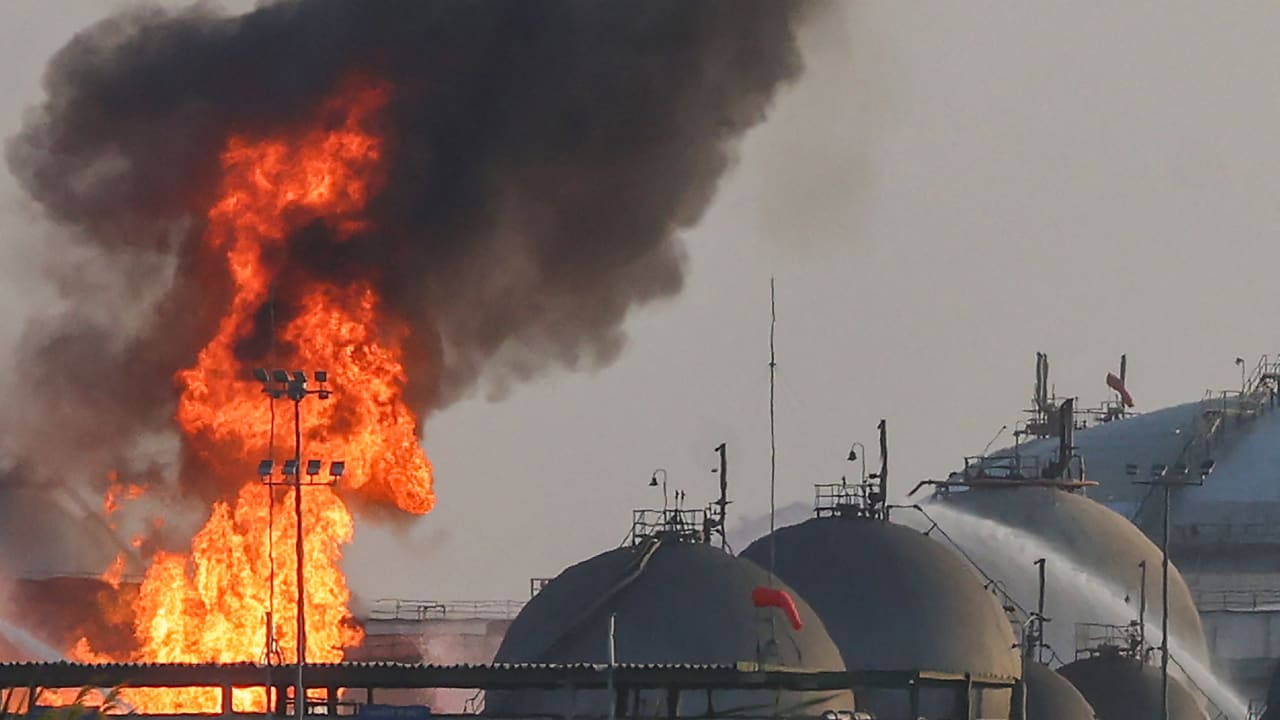
Houthi strikes on Saudi energy facilities saw oil prices rise above $100 a barrel last month. Saudi Arabia has backed the legitimate Yemen government, since 2015, responding to its request for assistance after its capital Sanaa was captured by the Houthis. The plight of ordinary Yemeni citizens has seen Saudi Arabia respond with humanitarian funding to alleviate hunger and privation. Yemen's civilian population faces a daily potential of children and farmers accidentally setting off concealed land mines causing death and dreadful injuries such as loss of limbs for those who survive.
With Saudi help, the internationally recognized government of Yemen are on the offensive along the coast of the Red Sea, given Saudi air support. Over 750 tons of weapons meant for delivery to the Houthis have been seized. Launch sites and weapons warehouses are being targeted by the Saudi-Yemen coalition working to dismantle the networks behind missile attacks on Saudi territory. Saudi Arabia has closed its financial system to the Houthis.
Yemen's authentic government confiscates weapons and money from Houthi sources. It is imperative for the future of Yemen that the terrorist group be countered and stopped completely. Yemeni students as young as ten are compelled to chant Iran's favourite rabble-rousing call to action: "Death to America". Thousands of children have been sent into combat, emulating Iran's action during the Iran-Iraq war of handing Iranian youth 'keys' to Paradise, while tasking them with the honour of heroically clearing minefields before dispatching its military to engage Iraq on a battlefield cleared of recently-exploded mines.
 |
More recently, Saudi Arabia reported that debris from two ballistic missiles that its air defense intercepted fell in the Mecca region on Wednesday during an exchange of attacks in an escalating conflict between the Kingdom and Yemen's Houthis. The missiles had been launched toward the region, and although Saudi air defenses intercepted and destroyed them, debris fell in several locations, including Sabuhah village.
"This hostile targeting of civilian objects constitutes a flagrant violation of international humanitarian law and reflects the dangerous hostile approach pursued by the Houthi militia," Saudi Arabia's civil defense charged, This is not the first time that a Houthi missile hit close to the holiest site in Islam. Now, once again, there is denial from the Houthis that they have ever intended to target Mecca and Medina. Their operations, they claim, are directed solely at military and strategic targets around Saudi Arabia.
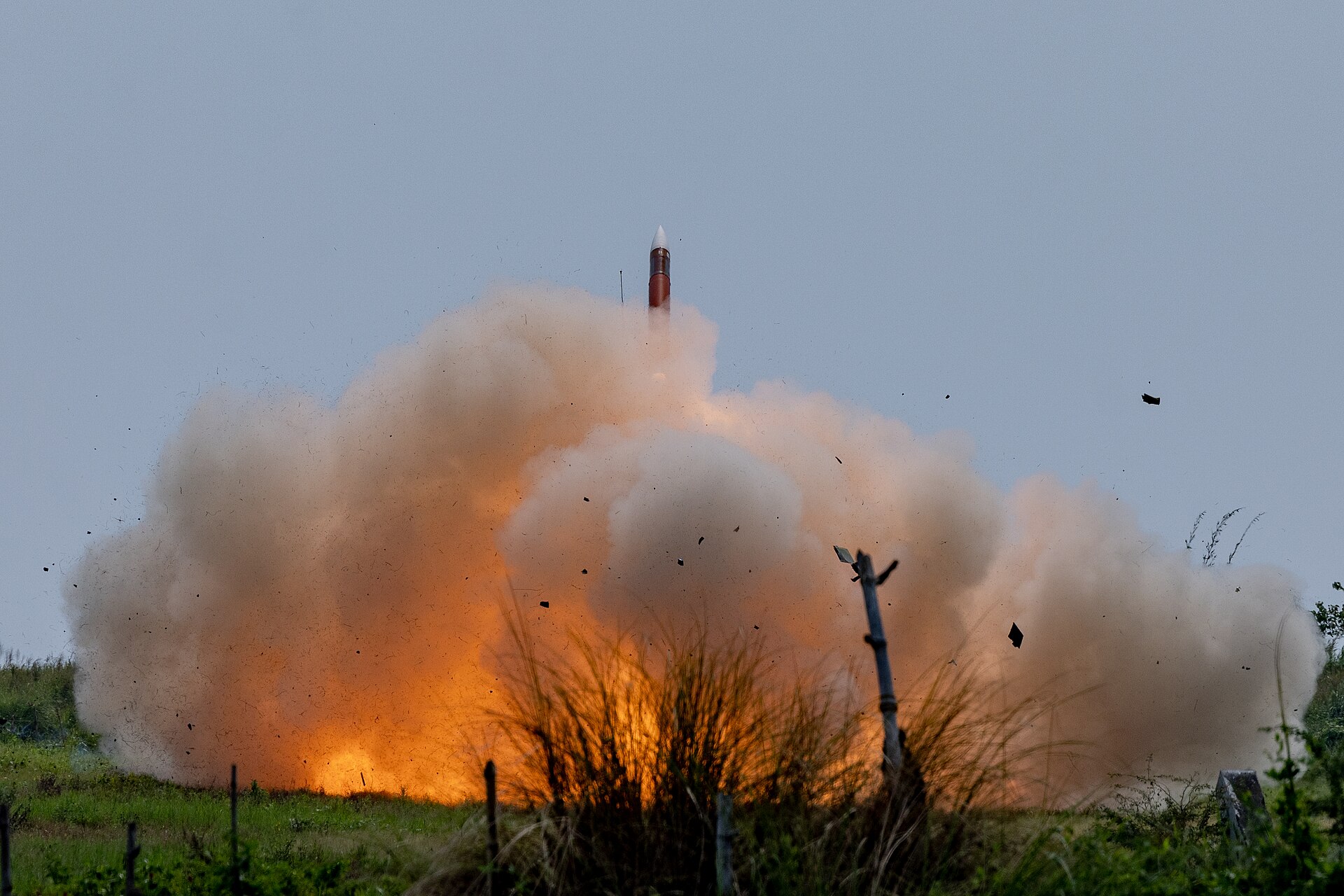 |
Debris from 2 Houthi missiles fell 21 km from the Grand Mosque near Arafat, Saudi Civil Defense says. The movement's slogan ends 'Victory to Islam.'November 12, 2026 Mohammed Omar, House of Saud |
Labels: Bombing of Saudi Energy Facilities, Enlisting Yemeni Children, Houthi Terrorists, Saudi Arabia, Targeting Mecca, Yemen's Civil War
posted by Pieface @ Thursday, November 12, 2026


