Naloxone and Opioid Overdose 'Just the Facts'
"Severe naloxone-induced opioid withdrawal with agitation should be managed as a high-risk agitated delirium, prioritizing patient and staff safety through standardized emergency department protocols, including verbal de-escalation attempt, trained security involvement and judicial use of physical and chemical restrains when necessary."'Just the Facts' report summary"It [report] speaks to the increased toxicity of what's circulating on the street right now.""There's no question: When we use naloxone to reverse patients, they can become very agitated and violent. They're generally incoherent. It's rare that they're like that in the usual state. It's just that in the withdrawal state, they're thrashing, they're throwing punches, they're yelling and it can be very scary for the team, and it can be very disruptive [including for other hospital patients].""That's the nature of emergency care. You can have a case like this happening a metre, or a couple of metres away from a 95-year-old who has broken their hip. They're in pain, they're scared and now to have this nightmare scenario playing out just a few metres away. That can't be good for anyone's recovery."Dr. Eddy Lang, emergency physician, Calgary
 |
| Thrashing, agitated patients put doctors, nurses and other patients in danger in emergency rooms. Photo by Dan Janisse /Postmedia |
Canada's
overloaded emergency rooms are now facing a new reality brought to the
fore by an increasingly toxic drug supply, forcing emergency room
doctors to make greater efforts to balance reverse of overdoses while at
the same time being mindful to avoid users heading into withdrawal
sufficiently violent they endanger those making the effort to save their
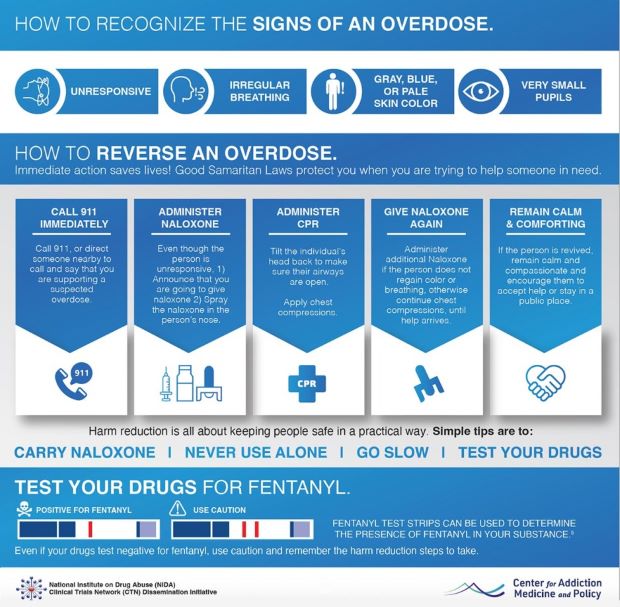
lives. It can now take 10 times the usual dosage of naloxone to restore
breathing sufficiently to keep an individual overdosing from dying,
given the proliferation of increasingly toxic drugs.
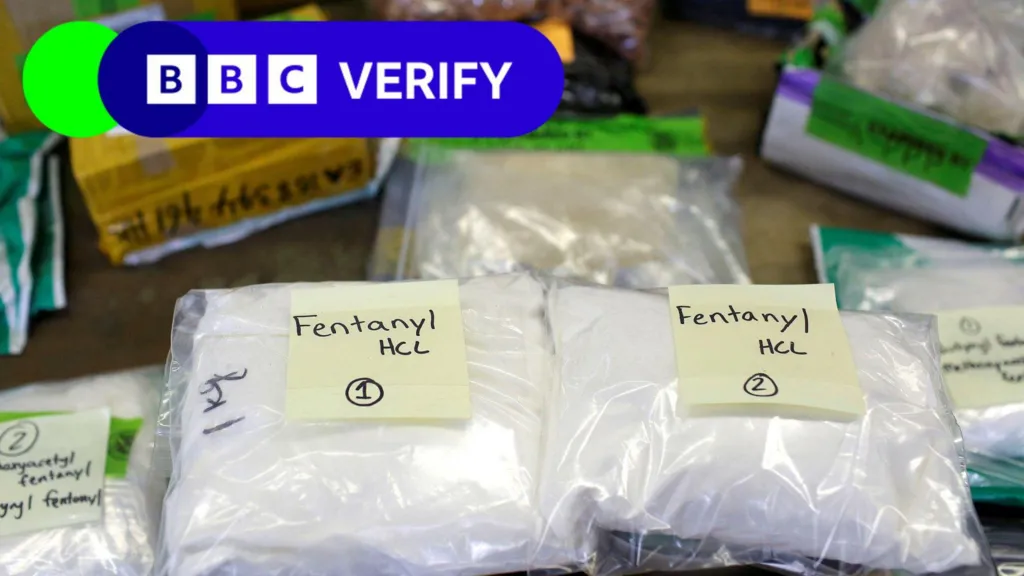
Street
drugs contaminated with other chemicals, including animal
tranquilizers. These are lethally dangerous combinations that people
unheeding of the warnings, fixated on reaching that high are grasping at
in their captured dependency. Yet the potentially life-saving overdose
antidote now poses another potential threat in that one single dose is
insufficient against the powerfully drug-intoxicating effects of the
contaminated street drugs. Higher naloxone doses run the very real risk
of "acute agitated withdrawal", a brief report warns, recently published online prior to print publication in the Canadian Journal of Emergency Medicine.
Across
Canada, reports of stark increases in opioid-related overdoses are
coming in from city after city. Paramedic and emergency staff already
under strain by the demands occasioned by an aging population, a
population whose increase has been unprecedented through immigration, a
migrant crisis, refugee intake and foreign worker programs, as well as
large numbers of foreign student visas all impacting on the universal
health care system overwhelming medical practitioners, nursing staff and
other hospital workers, now face increased demands brought about by
drug overdose emergencies.
What's
more, Emergency Rooms are seeing worsening episodes of violence,
leaving those last-resort medical care utilities in a state of chronic
disaster situations. Care intensities require a new focus and protocol;
more resources, more equipment, more staff, more medication, more
emergency department space -- when the ERS are already at bursting
point, overcrowded, out of available beds, people ending up being cared
for as they lie on cots in hospital corridors, or even on floors.
 |
"Previously
these patients wouldn't require high levels of critical care and are
now requiring admission to hospital or admission to ICU for more
intensive care for long periods of time."
"Five years ago, we would have gone with a different dosing strategy."
"Now we go low and slow and take our time, anticipating that the patient may respond in a manner that's unsafe."Dr. Taryn Lloyd, emergency and addictions medicine, St. Michael's Hospital, Toronto
Tested
street drug samples turn up the presence of fentanyl containing
medetomidine and xylazine, tranquilizers and sedatives used by
veterinarian medicine. Those drugs act differently in humans, decreasing
blood pressure and heart rate, and slowing breathing. Some contain
Valium or other benzodiazepines. A mixture of fentanyl, medetomidine and
benzos in the same sample are turning up in some analyses. And then,
there is this: naloxone works only for opioids, it is not a treatment
for, nor can it reverse the effects of other contaminants.
All
of which makes overdoses more complex when the toxicity of the
contaminants can lead to significant changes in heart rhythms or heart
rates, prolonged sedation and brain injuries. It takes longer for the
bloodstream to clear them out. People are found in deeper states of coma
by attending paramedics. "Unfortunately, sometimes the amount of oxygen deprivation that occurs during these prolonged ingestions is fatal", advised Dr. Lang.
Dr. Lang describes situations where someone barely breathing, unable to be roused suddenly turns around "to
now they're thrashing, jumping up in bed and their arms flailing in a
way that is really scary to see and can be very traumatizing to the
staff". Dr. Lang points out that despite concerning
opioid overdoses, alcohol and crystal meth seem to be more emphatic
sources of violence than opioid overdose withdrawal.
 |
| Purple crosses commemorate those who died of toxic drug overdoses on International Overdose Awareness Day. (Carmen Groleau/CBC) |
"It's such a powerful addiction. They're in this warm cloud of happiness that is just so addictive. They have to go back and back, even if it means they're homeless, they're involved in crime, they've alienated their families.""So imagine, you're in this state of warm cloudiness and suddenly you are abruptly and violently woken up by naloxone.""Any pain you may have been covering up with the opioid use is now heightened, and your whole body is aching."Dr. Eddy Lang, Calgary
Labels: Artificial Opioids, Brain Damage, Contaminated Street Drugs, Multiple Naloxone doses, Oxygen Deprivation, Severe Overdoses
posted by Pieface @ Friday, May 01, 2026