Police Warrant : Report to a Justice Document

"The following is a list of exhibits that were seized from 1215-2020 Jasmine Crescent in the city of Ottawa as a result of a search warrant on the 7th of October 2020.""33.6 grams of heroin and 86.2 grams of fentanyl were seized. A money counter, a] Voodoo AR-15 Style BB gun, [two Ziploc bags of] buff [weighing about 598 grams (buff defined as a substance added to drugs to dilute potency and increase volume). Clear plastic packaging material, [a] sentry safe, digital scale, [and] rubber bands [were seized].""[A] large amount of Canadian currency [also seized and] to be counted by the asset forfeiture unit.""Accused is now deceased; no charges laid. SIU investigation currently ongoing.""[All of the seized items were ordered to] be detained in the custody of the Ottawa Police Service until 8 January 2021."Report to a Justice : Police Document
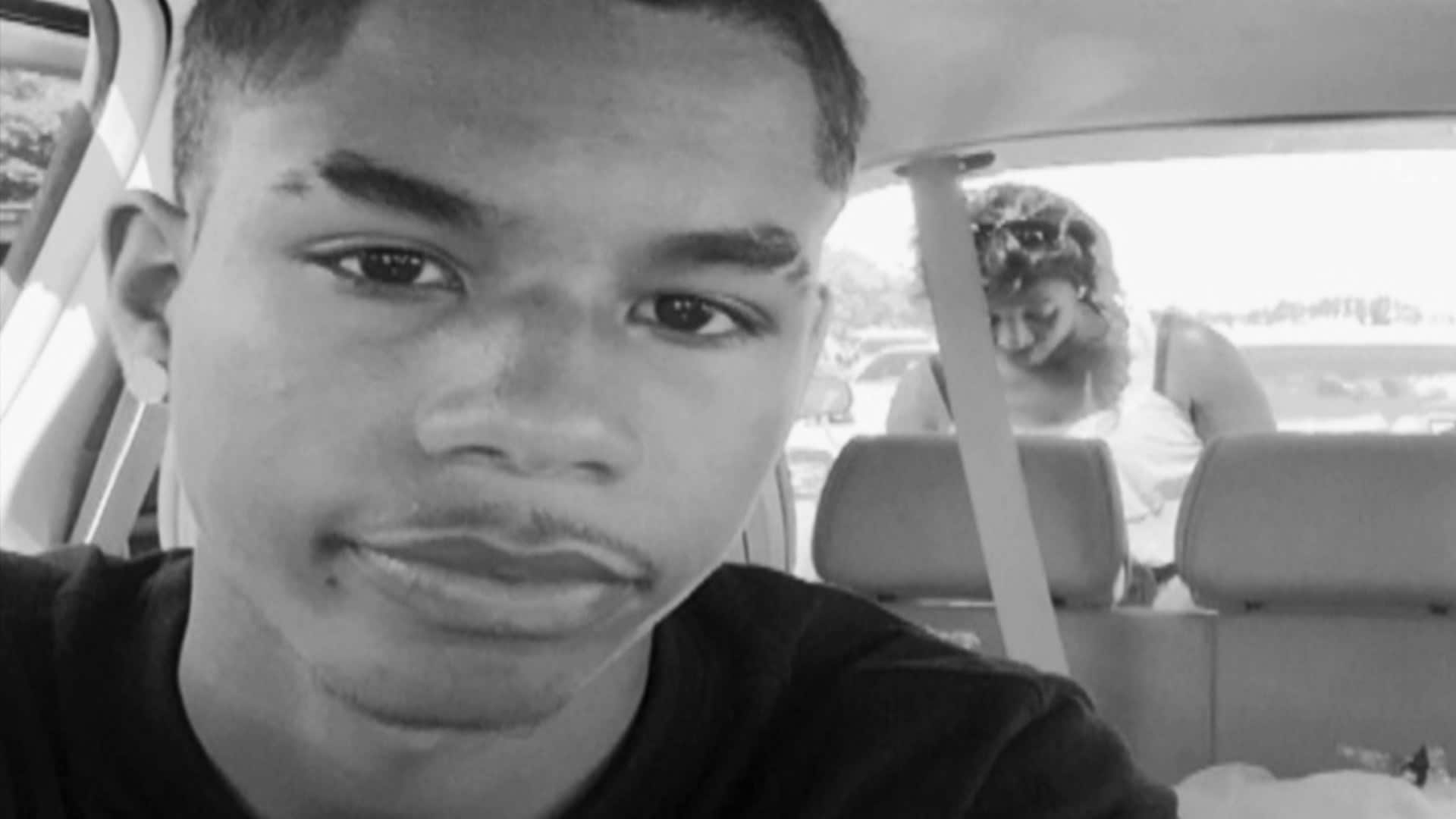 |
| Black man falls to death after Ottawa police conduct no-knock raid |
Black Lives Matter sprang into action as they do every time a black man falls afoul of the law and is injured or dies, as they claim that blacks receive harsher, brutal treatment from police, are stopped far more frequently in their vehicles than white men, and are the victims of police homicides while undertaking arrests of blameless blacks going about their business. Society is condemned for the fact that blacks are disproportionately represented in the prison system. That blacks are disproportionate to their presence in society at large, involved in gangs, guns, drugs and smuggling appears irrelevant.
"I was mad. Whatever they were trying to do, it was wrong. There was no justification in the whole situation. There's way too many officers. It's a 12th-floor apartment. There's no due diligence there.""I knew I had to get this story out. There's most likely countless other stories of this happening that are unreported and way more abuses of power.""Another black man died today.... If they're truly working for the public, this wouldn't have happened. They treated him like he wasn't a human, but everyone makes mistakes and that's the point of being human.""You have to learn from your mistakes. He didn't get the chance."Raymond Aust, 20, Queen's University student, Anthony's brother
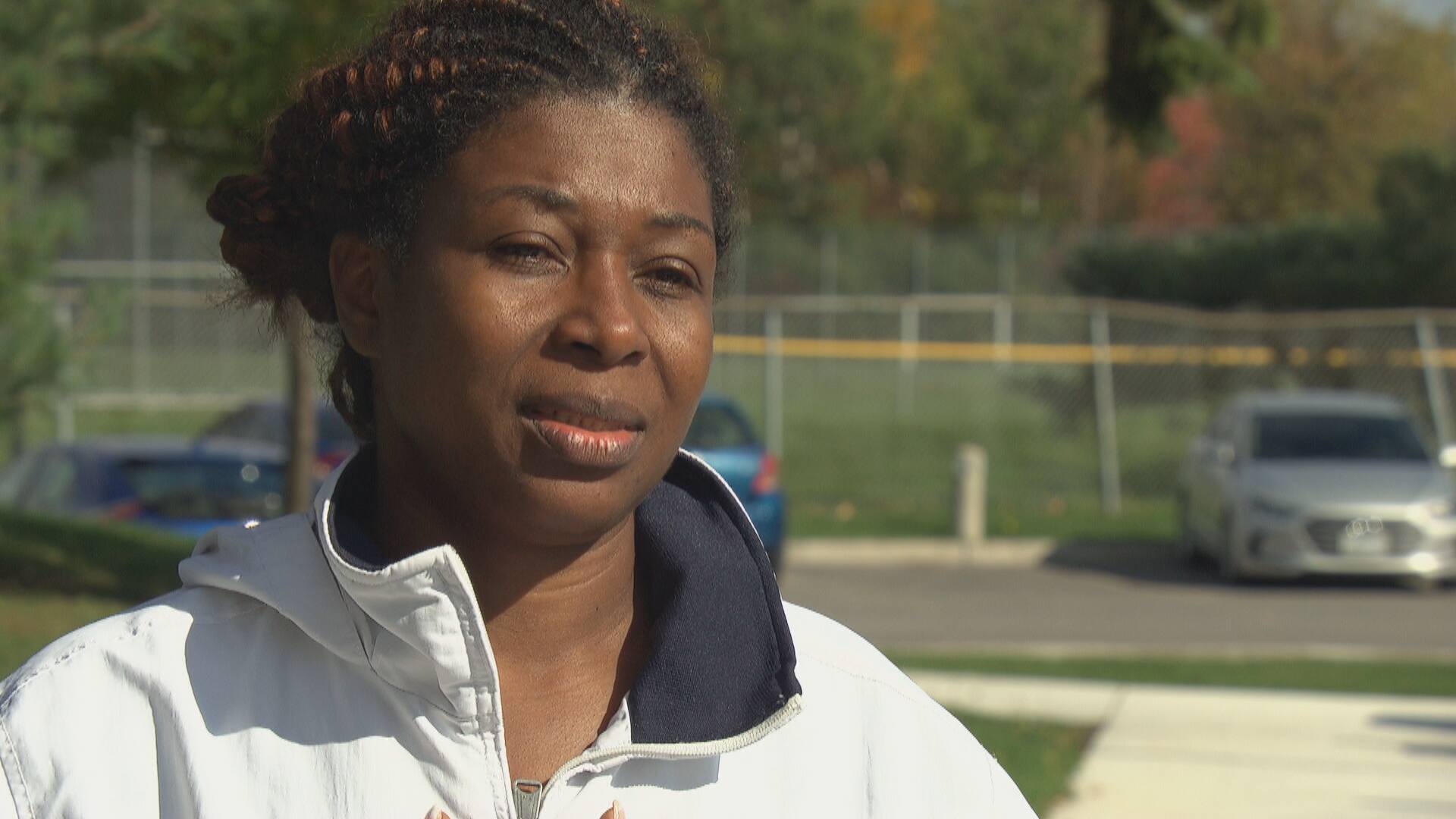 |
| Mother says son who fell from balcony 'didn't have time to live' |
One such case in question was that of a 23-year-old resident of Ottawa who leaped to his death from his bedroom window moments following a police drug raid at his family's Ottawa east-end apartment building, initiated by the Ottawa police tactical unit. Police have been accused of causing the death of Anthony Aust, and his family and the black community are demanding answers, demanding that Ottawa's black police chief undertake an investigation, and hold those involved accountable for the man's death.
The Aust family has hired a lawyer. At the same time, the Special Investigations Unit is undertaking a probe of exactly what had occurred the morning of October 7 when video surveillance footage from within the 12th-flooor apartment showed armed tactical officers breaking down the apartment door, throwing through it into the apartment a flash grenade and making use of a "dynamic entry". All of which tactics have been contested by the family as outrageously unnecessary.
Anthony Aust was, at the time, out on bail, his activities monitored by police and by the courts. He was awaiting trial fir firearm and drug offences, charges that were laid in January following a traffic stop. As part of the bail plan he was wearing a GPS-monitoring ankle bracelet. Video surveillance cameras were installed in the apartment, also part of the bail plan. The criminal charges against the young man were drug possession for the purpose of trafficking, firearm possession and breaking conditions.
All criminal charges which despite that he was out on bail awaiting a hearing, he simply continued to indulge in. That he was doing so, that he was in possession of quantities of hard drugs meant to be trafficked, and devices to enable that trafficking, appears to have evaded the notice of his family. All of which appears to be of no account as well to those accusing the police of causing the man's death by their very presence. A man who chose to evade accountability by momentarily forgetting people cannot fly.
Dynamic entry is a practise used by tactical police squads when they have a founded concern that evidence could be destroyed or that a risk exists to the public and to officers. That all of this took place at all, has resulted in a coalition of black community groups asking police Chief Peter Sloly for a meeting to discuss the raid, where Nhora Aust, Anthony's mother, was informed by police they were looking for a gun and cocaine as they searched her home.
Police have not divulged as public information what was found in the apartment when they searched the home where Anthony Aust flung himself out of a bedroom window of his family's 12th floor apartment. However, when a search warrant is issued police must afterward submit a "report to a justice" under the Criminal Code of Canada, a document that lists an itemized account of what was seized. The justice of the peace who had signed a warrant expects the document to be completed and returned to him within 30 days.
"[Dynamic entries are the] bread and butter [of tactical officers because of how common they are]. We conduct hundreds of them a year in Ontario.""There are demands from the court system, the judicial system. They like it much better when the accused is in possession of the evidence.""Narcotics are generally considered disposable evidence, much like child pornography."Jeff Kilcollins, retired, formerly a duty inspector, Ottawa police force, 20-year SWAT team member
Labels: Black Lives, Criminal Offences, Drugs, Gangs, Guns, Ontario, Police, Trafficking
posted by Pieface @ Sunday, November 08, 2020