The Long, Weary COVID Road Ahead
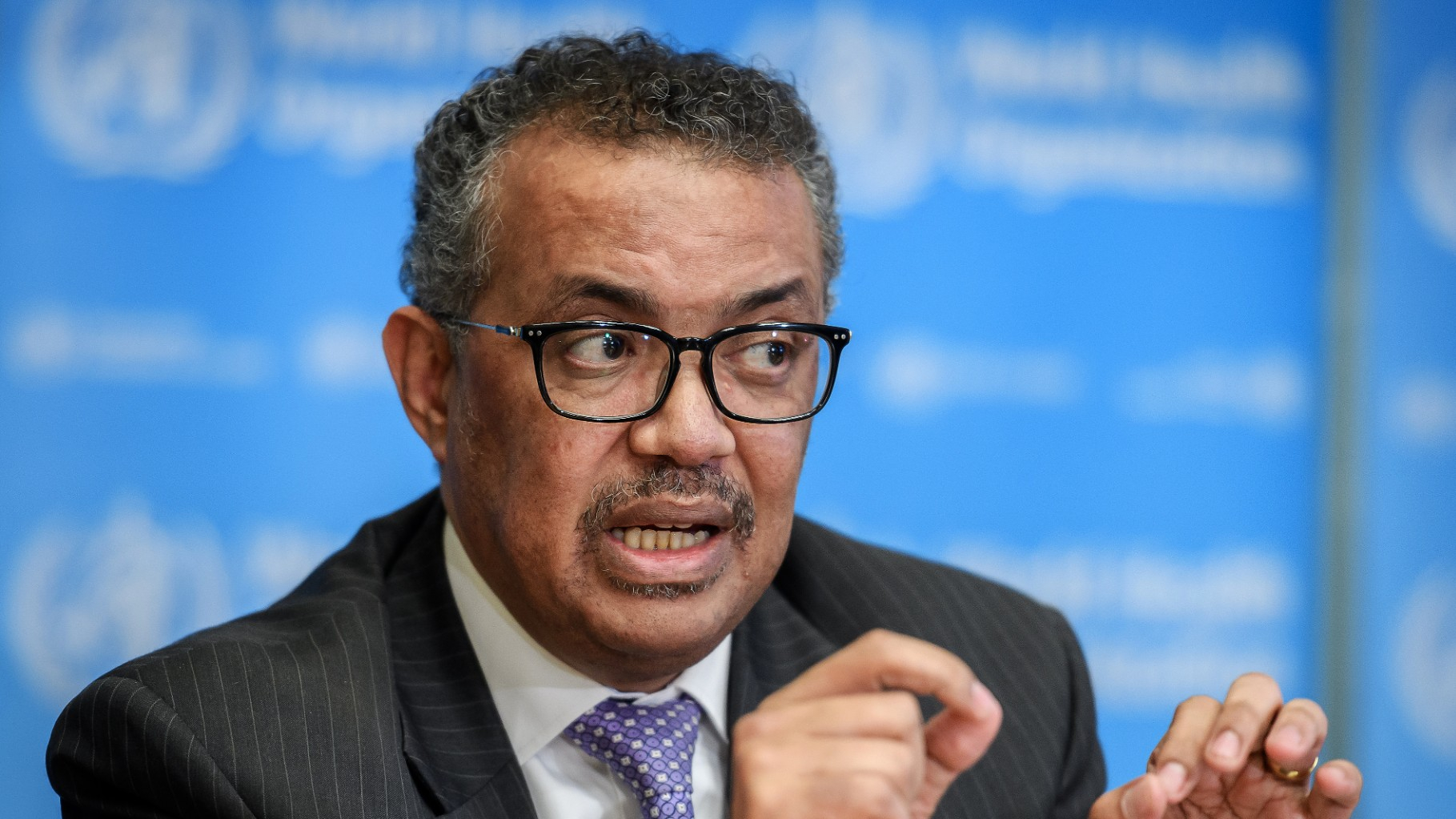 |
| Tedros Adhanom Ghebreyesus, director-general of the WHO, /AFP |
"We all hope to have a number of effective vaccines that can help prevent people from infection. However, there's no silver bullet at the moment -- and there might never be one.""By wearing a mask, you're sending a powerful message to those around you that we're all in this together. Wear a mask when appropriate. Keep your physical distance from others and avoid crowded places. Observe coughing etiquette, clear your hands frequently and you'll be protecting yourself and others.""The message to people and governments is clear: Do it all.""Over the past week, we've seen several countries that appeared as though they were past the worst now contending with fresh spikes in cases.""There are concerns that we may not have a vaccine that may work, or its protection could be for just a few months, not more. But until we finish the clinical trials, we will not know."Dr.Tedros Adhanom Ghebreyesus, director general, World Health Organization
"[In some states with moderate case counts, experts are seeing] that same insidious increase in percent positive that we had seen and pointed out ... in states like Tennessee, Kentucky, Ohio, Minnesota and others.""[States with high coronavirus case counts should reconsider imposing lockdown restrictions, as an imperative to reach a low baseline before the emergence of the fall flu season]."Dr.Anthony Fauci, infectious disease expert, United States
"We're doing our very best. Sorry, Manila", President Rodrigo Duterte said in response to the number of cases breaching 100,000 as he reintroduced a "modified enhanced community quarantine", for the capital and its outlying areas to restrict non-essential businesses while permitting people to leave their homes only for work or to buy food. On Sunday, the Philippines recorded 5,032 additional infections, representing the country's largest single-day increase for a total of 2,104 deaths.
In Iran, new data has emerged suggesting the number of deaths recorded by the government stood at 42,000 until July 20, as opposed to the total of 14,405 deaths released in a report by the health ministry. The same data showed 451,024 cases, close to doubling the 278,827 officially reported. BBC Persian had obtained the documents even while a resurgence was reported by the health minister. In rejecting the BBC report a health ministry spokesman claimed foreign media relied on anonymous sources and unscientific methodology for their own political purposes.
Dr. Tedros, speaking from the Geneva headquarters of the World Health Organization, issued his warning in response to the over 18 million cases of COVID-19 recorded world-wide, of which the United States, Brazil and India continued to report new infections in ongoing high numbers. Australia and Vietnam are also reporting a resurgence of cases, requiring a return to lockdown conditions. The death toll globally stands at a grim 688,080.
Leading Mr. Tedros to urge countries to continue testing, isolating and treating patients while tracing and quarantining their contacts. Melbourne, Australia closed all non-essential businesses in re-instituting lockdown measures in wake of a recorded 429 new cases and 13 deaths overnight on Monday. In the United States, Dr.Fauci emphasized how crucial it is that the outbreak be contained before the arrival of autumn when influenza numbers have the potential to spike alongside COVID-19.
He cautioned as well that though young children don't become seriously ill from COVID-19, they may still become infected and spread the virus in the community. As people begin to assemble indoors when cooler weather arrives with the fall, the risk of contagion steadily increases. Countries with high transmission rates, including Brazil and India, need to be prepared for the future, according to the WHO's head of emergencies. "The way out is long and requires a sustained commitment", reminded Dr.Mike Ryan.
And then, the interesting news that a WHO-led team comprised of Chinese and international experts is to be set up for the purpose of studying the SARS-CoV-2 virus's origins in the city of Wuhan.
Labels: Coronavirus, Social Distancing, Vulnerability, World Health Organization, Wuhan City
posted by Pieface @ Wednesday, August 05, 2020