Thursday, March 26, 2026

Fears of Nuclear Fallout From U.S.-Israel Iran Conflict

"Where is all this going?" 
"The schools are closed, and air sirens are ringing multiple times a day, and distant booms keeps more people at home farther from public places."
"But my company is booming -- cashing in on the crisis -- as more and more people opt to leave, with land routes now the only way out."
Egyptian taxi driver in Kuwait
 
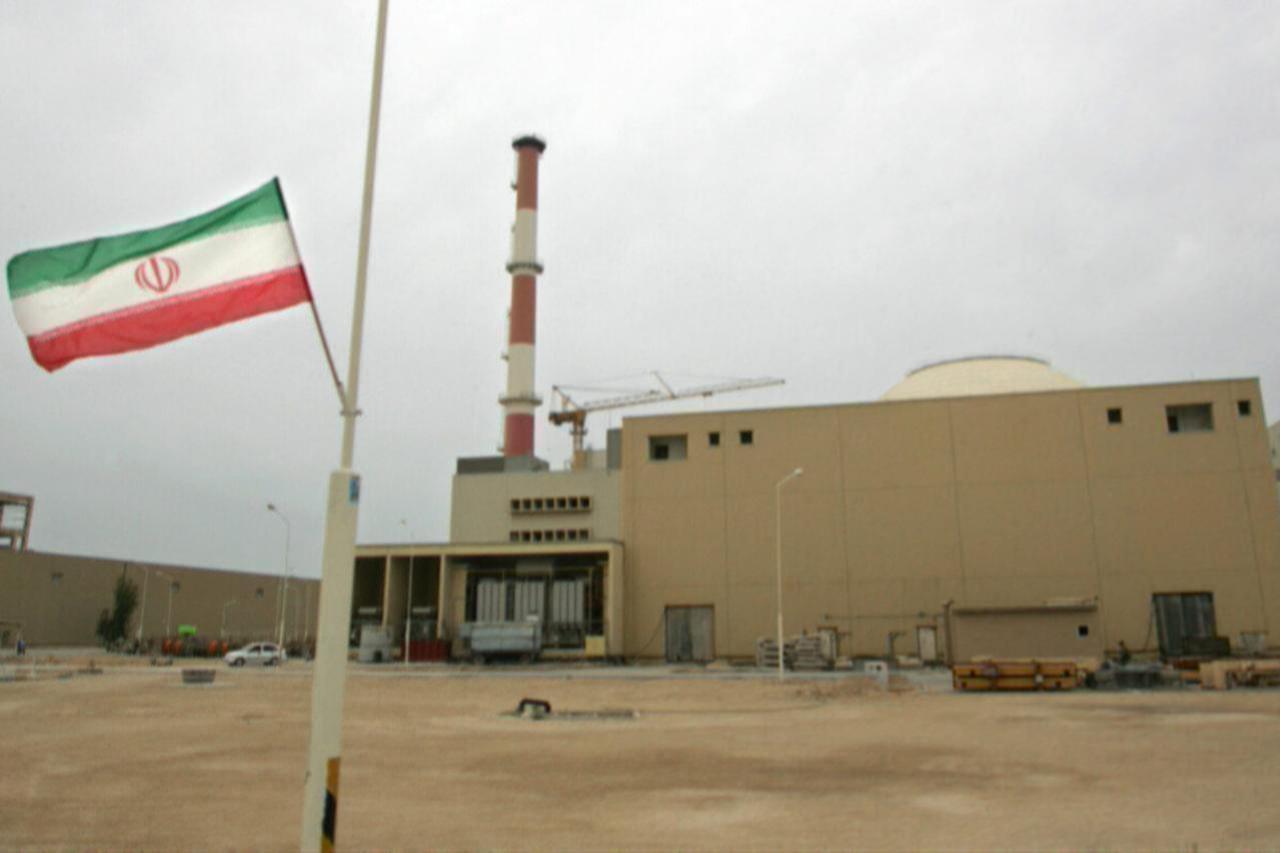
"Weeks into the U.S. and Israeli war with Iran, alarm is mounting after a series of strikes targeting sensitive nuclear facilities, including reported damage last week metres from the reactor of Iran's Bushehr Nuclear Power Plant -- located just across the Gulf from Kuwait."
Mohamed Fahmy, journalist, Kuwait City 
https://img.turkiyetoday.com/images/2026/3/25/kuwait-issues-radiation-warning-for-citizens-as-fears-mount-over-irans-bushehr-plant-3216867_20260325132201.jpg
An Iranian flag outside the building housing the reactor of the Bushehr nuclear power plant in southern Iranian port town of Bushehr, 1200 km south of Tehran, Iran. (AFP Photo)
 
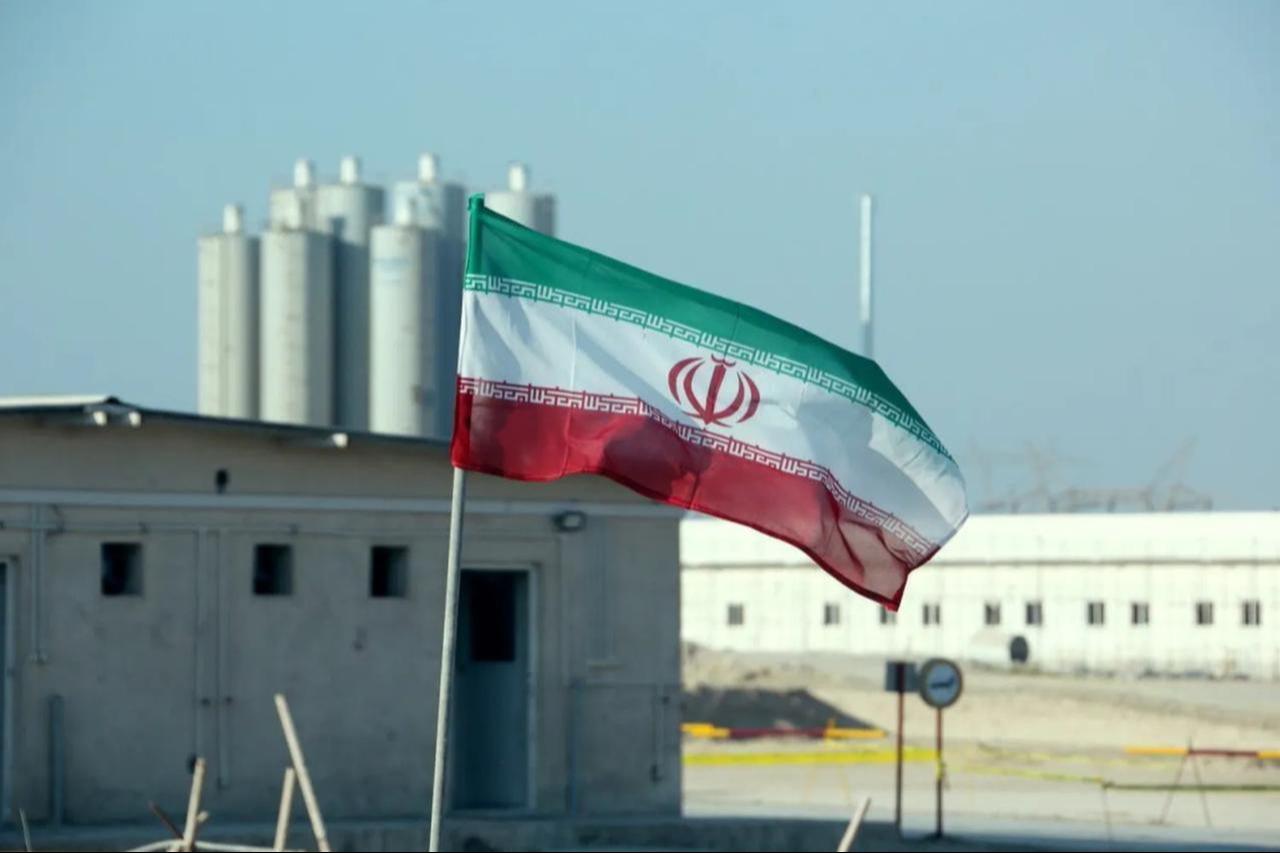
Just 275 kilometres' distant across the Gulf from Kuwait, the Bushehr Nuclear Power Plant's proximity is a threat to Kuwait; its geographic placement threatening that prevailing northwesterly wind has the potential to carry nuclear radiation contamination toward Kuwait in the event of a radioactive release should the plant be hit by a missile. According to nuclear authorities, should a severe incident occur at Bushehr, the result would be comparable to the breakdown of the Chernobyl plant in Ukraine. 
 
The director general of the International Atomic Energy Agency, Rafael Grossi, calls for maximum restraint while warning continued strikes in the area risk a nuclear accident being triggered while conflict between the United States, Israel and Iran goes into its fourth week. "An accident at an operating nuclear power plant would be something very, very serious. This is the reddest line of all in nuclear safety", he warned grimly.
 
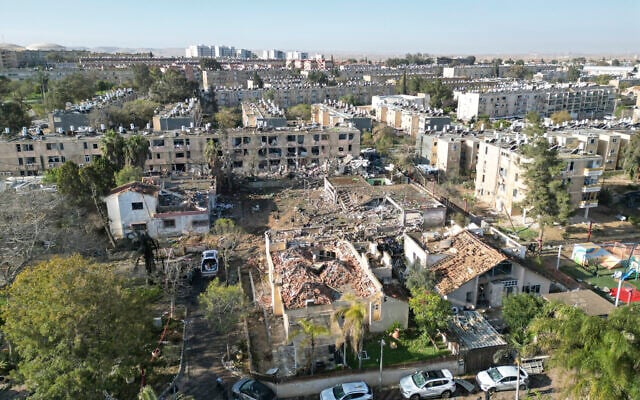
In its tit-for-tat responses, hours following the Natanz enrichment complex in Iran being struck on Saturday, Iran launched retaliatory ballistic missile strikes on the towns of Dimona and Arad in southern Israel, where 180 people were injured. This strike, as inaccurate as it was, served as a warning that the Islamic Republic's reach is as far as has been feared possible. A mere 13 kilometres from Israel's strategically sensitive Negev Nuclear Research Center.
 
Hundreds of ballistic missiles and drones have been launched by Iran across Kuwait and neighbouring Gulf states that include the UAE, Bahrain, Saudi Arabia and Oman. Oil refineries, gas installations and major ports and airports have been targeted across the Gulf by Iran. This is the face of Iran that its Gulf partners have always feared. Their cautious opposition and awareness of the Islamic Republic's drive to spread its volatile Islamist fundamentalism linked to its striving for uranium enrichment and resulting warheads for its ballistic missiles has created an atmosphere of fear and apprehension among its neighbours.
 
https://static-cdn.toi-media.com/www/uploads/2026/03/F260322CG135-1-640x400.jpg
The scene where a missile fired from Iran impacted in the southern Israeli city of Dimona, March 22, 2026. (Chaim Goldberg/Flash90)
 
Not the least of which is the State of Israel, which is itself a discreet nuclear power, knowing that its survival is in Tehran's Shiite-jihad crosshairs should they ever succeed in their nuclear mission. The Middle East Arab Sunni states, while relaxing their historic hostility to Israel's presence, have been content to watch on the sidelines as Israel and the Iranian regime confront one another, in the hope that Israel would prevail and solve their Iran-problem for them. 
 
Now, in the ongoing conflict where U.S. and Israeli aerial bombardment is bludgeoning Iran's government and military infrastructure along with its weapons caches, Iran, now in the complete control of the Islamic Revolutionary Guard Corps, warns that the region's infrastructure would be hit should the U.S. president's threats come to fruition. The most recent retaliatory barrage was a taste of what could be intensified. Air defence forces in Kuwait managed to intercept and destroy dozens of missiles and drones, though some slip through.
 
A number of major international and national organizations have been actively preparing for the possibility of a nuclear 'incident'. The World Health Organization is preparing for a "worst-case scenario" involving nuclear risks. It has taken to a repeat of staff training on emergency response protocols and reinforcing radiation-related health risk guidance. Contingency plans are  being updated across 13 countries in preparation for possible strikes on nuclear facilities ... even use of a nuclear weapon.
 
Facilities equipped with specialized ventilation systems, food supplies, bunk beds, prayer areas, medical clinics and decontamination and clothing disposal units are being prepared through the establishment of 195 public shelters in Kuwait for the protection of their civilians, using schools and university sites. More Gulf nations are being drawn into the kind of conflict they had long thought of and hoped to be able to avoid. The spectre of a direct hit on a nuclear site could result in a humanitarian crisis in more than one country in the Middle East, as Iran implodes while striking out to punish its enemies. 
 
https://img.turkiyetoday.com/images/2026/3/25/kuwait-issues-radiation-warning-for-citizens-as-fears-mount-over-irans-bushehr-plant-3216867_202603251322_20260325132201_1.jpg
Iranian flag flies at the Bushehr nuclear power plant in Iran, accessed on Feb. 1, 2026. (AFP Photo)


Labels: , , , , ,

Friday, July 29, 2022

Another Dread Zoonotic Surfacing in Africa


"Marburg is a highly infectious viral hemorrhagic fever in the same family as the more well-known Ebola virus disease."
"In 2008, two independent cases were reported in travellers who visited a cave inhabited by Rousettus bat colonies in Uganda."
World Health Organization

"WHO is on the ground supporting health authorities [in Ghana where the latest outbreak has occurred] and now that the outbreak is declared, we are marshalling more resources for the response."
Dr.Matshidiso Moeti, Regional Director for Africa, World Health Organization
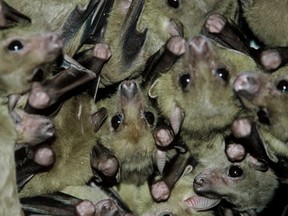
Rousettus aegyptiacus or Egyptian fruit bats. Prolonged exposure to mines or caves where they live can result in human infection of the deadly Marburg virus disease.
In 1967 two cases of the disease occurred, one in Marburg and Frankfurt, Germany, the other in Belgrade, Serbia. This is the origin of the naming of the virus; Marburg. The cases were traced back to a laboratory working with African green monkeys that had been imported from Uganda. The WHO reports that prolonged exposure to mines or caves where colonies of bats live can result in human infection.

The Ghana Health Service's Disease Surveillance Department recommends certain steps in avoidance of contracting the virus; abstaining from consuming bush meat; washing hands frequently with soap and water, and taking care not to handle dead bodies of those who may have had the Marburg virus. Timely and sterling recommendations for Africa, should outbreaks continue to be confined to that continent.

The suspected causes and such exposure leading to a virus leaping the species barrier from wild animals to humans has a familiar ring to it for most people; it was at the live animal market in Wuhan, China, that transmission from animal [bats infecting commonly consumed mammals] to human took place; bush animals sold for human consumption, infected with SARS-CoV-2 transmitted it to people at large through contact in the Huanan market. 
 
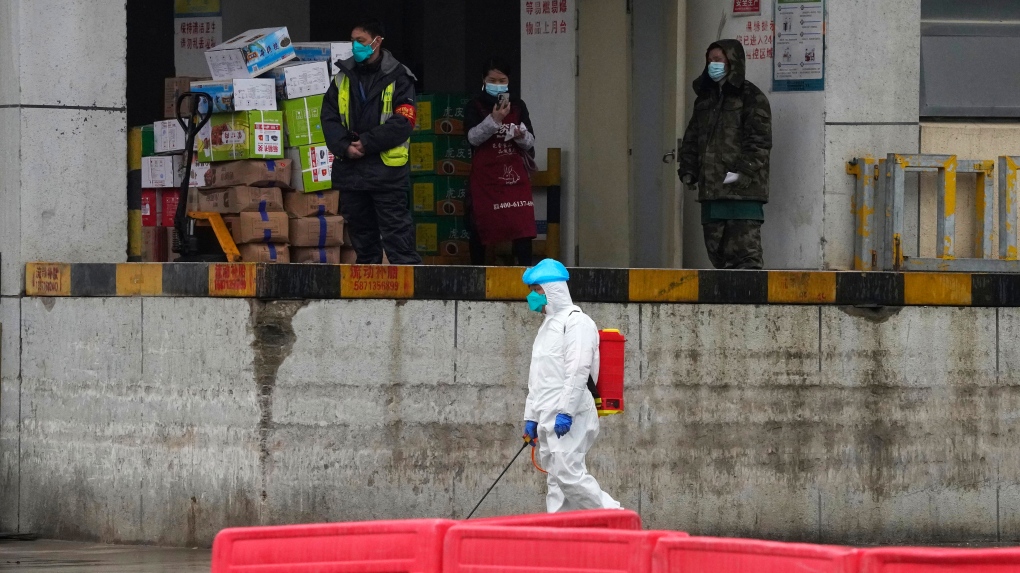
The Wuhan Hygiene Emergency Response Team leave the closed Huanan Seafood Wholesale Market in Wuhan, China, on January 11, 2020.

Police in Wuhan, China, shut down the Huanan Seafood Wholesale Market on 1 January, 2020. Credit: Noel Celis/AFP via Getty

Marburg virus is more vindictively fatal than COVID-19; an estimated 88 percent of those infected may never recover. It has an incubation period between two to 14 days. Infection can spread from person to person through direct contact with bodily fluids. Clothing which has been worn by someone infected with Marburg can also become a source of infection. No cure exists for the virus, though treatment for its symptoms is available.

Symptoms of infection include high fever and severe headaches, muscle aches and pains. Severe diarrhea, stomach pain, nausea and vomiting may begin on the infection's third day. Those infected become extremely lethargic. In cases that become fatal, a patient generally bleeds from the nose and gums.

Marburg virus cases and outbreaks have been reported in Angola, Democratic Republic of Congo, Kenya, South Africa and Uganda with links to Zimbabwe. In 2021 an outbreak was declared in Guinea, lasting for five weeks following a single case of the virus.

Out of the 590 people who contracted the disease since 1957, 478 died of it, according to the World Health Organization's data on major outbreaks. Two deaths occurred in June in Ghana when two unrelated people died in hospital following their hospitalization because they were suffering from diarrhea, fever, nausea and vomiting.

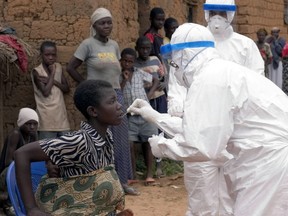
Doctor Mark Katz, a member of the World Health Organisation (WHO), taking an oral sample from patient Feliciana suspected of having Marburg haemorrhagic fever in Kinguangua, near Uige. Feliciana’s grandmother, sister and ex-husband died of Marburg haemorrhagic fever. The young woman tested negative after being transported to the Uige Provincial Hospital for observation.
Doctor Mark Katz, a member of the World Health Organisation (WHO), taking an oral sample from patient Feliciana suspected of having Marburg haemorrhagic fever in Kinguangua, near Uige. Feliciana’s grandmother, sister and ex-husband died of Marburg haemorrhagic fever. The young woman tested negative after being transported to the Uige Provincial Hospital for observation. Photo by CHRISTOPHER BLACK/AFP/Getty Images


Labels: , ,

Monday, May 30, 2022

To Salt Or Not To Salt: That is The Question


"We thought, 'That's peculiar'. Then we sat on that data for two years. We did everything we could to make it go away and we couldn't make it go away no matter how you analyze the data."
"The bottom line is, if low sodium is not helpful and may even increase the risk, it's better to focus on the overall quality of the diet."
"Reduce processed foods and focus on eating more fruits and vegetables and more potassium-containing foods -- an all-around wellness diet."
Professor Andrew Mente, epidemiology professor, McMaster University, Hamilton
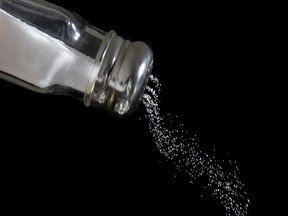
Salt generic
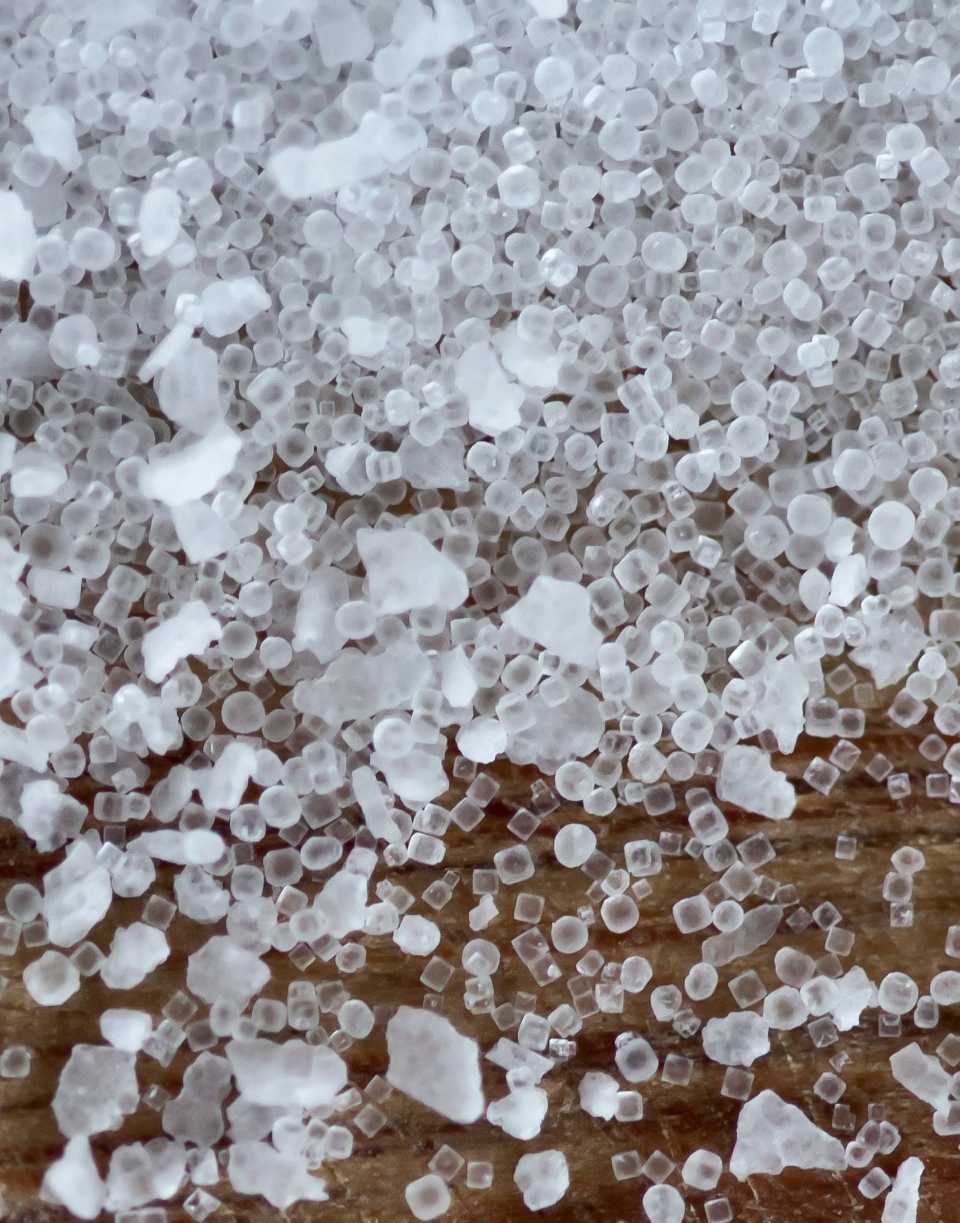
Crystals of table, kosher, and pickling salt   (AP / Nati Harnik)
 
In reflection of conventional wisdom respecting the place of salt in a diet therapy meant for people with high blood pressure, the World Health Organization recommends consumption of less than two grams of sodium (five grams of salt) daily. The Mayo Clinic and Health Canada along with other health bodies suggest no more than 2.3 grams (about a teaspoon of salt) daily. In Canada, a report issued in 2017 by Health Canada assessed the average intake per person of salt in the country to be 2.8 grams.

Studies like the Harvard University-led TOHP trial in the United States in late 1980s and early 1990s underpin such recommendations from within the international health community. In that study some 4,500 people were divided into groups receiving either general healthy lifestyle advice or alternately weekly group and individual counselling in reducing sodium intake. Leading to the conclusion that those who received salt-reduction assistance were 25 percent less likely to suffer strokes, heart attacks and other cardiovascular events in years to follow.

Other controlled studies reached like conclusions; that as people absorb less sodium, a reduction in hypertension resulted, according to a recent paper. And then in 2009 Dr.Salim Yusuf of the Population Health Research Institute (PHRI) of McMaster University and Hamilton Health Sciences published research and commentaries that suggested heart health did not improve with sharp salt reduction intake. To state that consternation, condemnation and confusion and controversy resulted is to understate the impact of this reversal of popular medical wisdom.

Dr.Yusuf and his team of researchers made the decision to study the issue relating to two studies they ran focused on testing blood pressure drugs. A sidebar sodium study enrolled about 28,000 people from 40 countries. The participants, all at risk of cardiovascular disease, had their intake of sodium measured through interpreting secretions of the mineral in urine samples. What this study revealed shocked the scientists when they found that as sodium levels fell the rate of heart-and-stroke-related illness did initially fall, then rose again, with sodium intake amounts lower than three grams daily.
 
High blood pressure leads to heart attacks, strokes and death. Hypertension is considered the world's leading cause of mortality, and sodium considered the culprit in up to 30 percent of cases. The greater the sodium intake, the greater the retention of water in the body, to wash it away. This increases the pressure of blood being pushed through arteries and veins. Not only did cutting sodium below a certain point not lead to improved cardiovascular health, lower levels it turned out, might in fact increase risk of disease.

After the results were published in some of the world's foremost medical journals, and the McMaster University research team led by Dr.Yusuf, a highly respected researcher, were castigated for their unacceptable findings, they followed up with a parallel study of 102,000 subjects from 17 countries in another McMaster-led international research project called PURE. Published in the high profile New England Journal of Medicine, the results for the second study were similar to the earlier ones.

Their conclusion led them to argue the earlier evidence, like the TOHP trials, did not indicate that the standard sodium diet-reduction to the recommended level had any effect on improving health outcomes. Their critics focused on what they found to be a flaw in the methodology of the study where the gold-standard method is to collect all urine someone produces in a 24-hour period to test for secreted sodium and repeat it on non-consecutive days, whereas the McMaster-led trial performed a single fasting (spot sample) of urine early morning.

"It's tough and it's tedious so people try to cut a lot of corners (24-hour sampling). With a single-spot sample] stuies are much easier to do, much less complex -- and give you the wrong answers", pointed out Dr.Norman Campbell of University of Calgary. "They're making inaccurate and false statements and misleading statements and misinterpretations and they're not correcting things that are obviously flawed. this is a global aggravation for people who are trying to improve the health of their populations."
 
Dr.Mente, on the other hand, speaks of the advice to maintain sodium intake no higher than four or five grams daily, and not to be concerned about cutting it much below three grams. He also pointed out that their sodium studies were subjected to intense peer review pre-publication, where prominent journals assign vetting to half a dozen scientist-reviewers and two statisticians to vouch for accuracy. 
 
Dr.Yusuf comments that the science is in flux and the research he and his team conducted has aided in altering the sodium-hypertension paradigm; that their critics are unwilling to consider that health and research understandings have undergone an alteration. He and his colleagues' study results have come under scrutiny with charges of bias resulting from study funders such as health charities and drug companies.
"[Campbell's] enthusiasm for this as a crusader, you have to admire it."
"But at the same time, all scientific debate has to be based on respect, it has to be based on openness."
"It has to be based on entertaining different viewpoints."
Dr.Martin O'Donnell, professor of medicine, National University of Ireland, Galway, McMaster group collaborator
Relying on the conventional scientific wisdom, the World Health Organization recommends consuming less than two grams of sodium — five grams of salt — a day. Health Canada, the Mayo Clinic and other health bodies suggest no more each day than 2.3 grams, about a teaspoon of salt.
 
"A new controversial study claims that in most cases, consuming salt will not increase health risks. The study published on August 9 in The Lancet, a scientific journal, followed 94 000 people between the ages of 35 and 70 across 18 countries to determine whether salt intake truly does increase the risk of cardiovascular disease and stroke (1), an accepted belief. Monitoring subjects over an average span of eight years,  interestingly, it was found that the risk only increases if the average sodium intake is greater than 5 g per day ― the equivalents of 2.5 teaspoons of salt."
"The research was led by Prof Salim Yusuf of the Population Health Research Institute (PHRI) of McMaster University and Hamilton Health Sciences in collaboration with colleagues from 21 different countries, including Canada, Argentina, Bangladesh, Brazil, Chile, China, Columbia, India, Iran, Malaysia, occupied Palestinian territory, Pakistan, Philippines, Poland, Saudi Arabia, South Africa, Sweden, Tanzania, Turkey, United Arab Emirates, and Zimbabwe."
"Salt-reduction enthusiasts argue that campaigns in the UK, Japan, and elsewhere over the past several years have led to a reduction in salt intake and consequently, a reduction in overall average blood pressure of the population. However, our bodies require essential nutrients like sodium to function, therefore, completely removing salt from our diets may be just as damaging as too much. But the question remains, how much is too much?"
European Scientist

Labels: , , , ,

Tuesday, July 20, 2021

Offending Beijing -- Searching for COVID Answers

"[A Phase Two probe would require] audits of relevant laboratories and research institutions operating in the area of the initial human cases identified in December 2019."
"Finding the origins of this virus is a scientific exercise that must be kept free from politics. For that to happen, we expect China to support this next phase of the scientific process by sharing all relevant data in a spirit of transparency."
"We ask China to be transparent and open and to co-operate."
"We owe it to the millions who suffered and the millions who died, to know what happened."
"[It was] premature to discount the lab theory [As the first WHO probe concluded it to be unlikely.] As you know, I was a lab technician myself, an immunologist, and have worked in the lab. And lab accidents happen. It’s common."
"[A new WHO International Scientific Advisory Group for Origins of Novel Pathogens (SAGO)]will play a vital role in the next phase of studies into the origins of SARS-CoV-2, as well as the origins of future new pathogens."
"[There is a need for more] studies of animal markets in and around Wuhan, including continuing studies on animals sold at the Huanan wholesale market."
WHO Director-General Tedros Adhanom Ghebreyesus

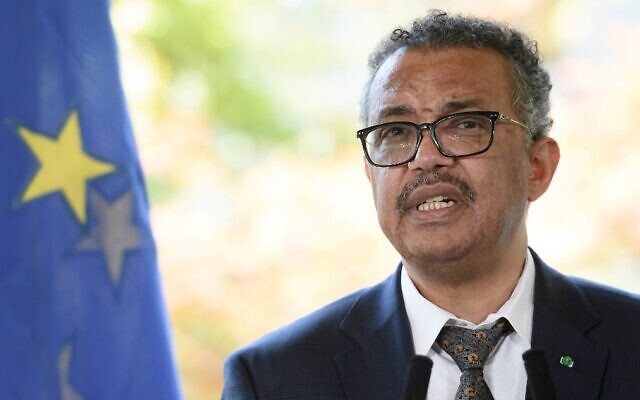
World Health Organization Director-General Tedros Adhanom Ghebreyesus wants China to allow a biosecurity audit of some of its virology labs. Jean-Christophe Bott/Keystone vía AP

"It’s a sign that the WHO might be able to do [a] more credible or balanced investigation."
"Right now, the lack of clarity is in China’s interest."
Alina Chan, a gene therapy researcher at the Broad Institute
 
"I’m worried about delays and of course it’s a bit strange. We’re losing valuable time."
"[While it's] logical [to push for lab audits the demand right now could backfire.] It’s not going to be popular with China, so I’m a little bit worried that that will shut the doors to the rest of the studies that we feel are needed."
Marion Koopmans, virologist, veterinarian, Erasmus University Medical Center
china wet market 2017
Customers select seafood at a wet market in Dandong, Liaoning province, China 
Philip Wen/Reuters

In the early stages of the pandemic WHO Director-General Adhonom Ghebreyesus faced scathing criticism over a number of judgemental lapses; the decision to take Beijing's word for its claim that it took awhile to recognize the appearance of a new virus and its harsh impact, the acceptance of Beijing's assurance it was not communicable, and the lapse of time before the 'Wuhan virus' was declared a pandemic, thus failing to alert the world community in a timely enough manner to a fast-moving viral juggernaut that was soon to upend normalcy everywhere.

Since then, the WHO head appears to have made a reversal. He is not viewed more latterly as being quite as comfortable with China and its assurances as he was back then. And he is under great pressure from some countries -- Australia certainly comes to mind, in its strenuous insistence from the beginning that an investigation into the origins of the SARS-CoV-2 virus was badly needed, if for no other very good reason that would inform scientists of its origins, trajectory and how better the world might respond in future to new such viruses as they appear.

The real pressure, however, comes from the WHO's greatest financial supporter, the United States. Former President Donald Trump had little use for the institution and threatened to halt its funding, and his successor Joe Biden has continued to apply pressure on the World Health Organization for a far more in-depth investigation into the origins of COVID-19, which has taken such a dreadful world toll on the lives of millions of people who succumbed to its lethal complications, much less those living with a wide spectrum of COVID-induced symptoms.

It should have come as no surprise to anyone -- much less Beijing -- that another proposal for a second phase of studies into the origins of the coronavirus would be recommended by the World Health Organization. Suggesting audits of laboratories and markets in Wuhan, requiring greater cooperation and transparency in the process from China. The plan was presented to member states hard on the heels of a declaration that investigations were being held up by the lack of raw data reflecting the initial period of COVID-19's spread in China.

A commitment to Phase Two would encompass studies of humans, wildlife and animal markets in the city of Wuhan and certainly inclusive of the Huanan wholesale animal market where the virus was first thought to have emanated. China which has always been resistant to any deep scrutiny of the virus linked to Wuhan, has no obvious wish to be cooperative in a new study which promises to delve deeper than the previous one did, where researchers submitted to official Chinese scrutiny and oversight and the resulting paucity of requested data and documentation, much less exposure to critical sites for review.

In view of the fact that some scientists have raised their doubts over China's explanations, including its suggestion that the virus emanated from outside China; one theory that U.S. military brought it with them, another that it was imported into China with frozen food; and that the United States is adamantly pushing for a deeper investigation, the WHO has little option but to proceed. The U.S. along with many scientists demand a further investigation, and with particular attention into the Wuhan Institute of Virology which at the time of the virus emergence had been conducting research into virus vectors, bats.

Beijing maintains that the theory the virus could be connected to the Wuhan laboratory is beyond remote -- "absurd", repeatedly claiming that "politicizing" the issue would only serve to hamper any investigation. Any decision on continuing the probe "should be reached by all members through consultation", responded Chinese Foreign Ministry spokesman Zhao Lijian. As in, perhaps, China, as a member of the UN Security Council having the capability of scuppering international investigations of any kind by veto. 

china wet market
A Chinese produce market.
Felix Wong/South China Morning Post/Getty

"[I wish Tedros had owned up to past WHO] missteps. I don’t think he can simply just take the next step and not worry about what’s happened so far."
"I’m very suspicious about dismissing the initial task force and now allowing individuals and governments to nominate themselves, which will result in a partisan, selective process and not lead to the best composition." 
"They’re not a truly independent body [World Health Organization]. They are the product of a very political world, and what makes their problem 100 times worse is that they don’t have the resources to operate independently."
David Relman, microbiome researcher, Stanford University
 
"The Chinese side noted the draft plan made by Tedros and the secretariat and the Chinese side is looking into it."
"Origin-tracing is a scientific matter. All parties should respect the opinion of the scientists and should refrain from politicizing origin-tracing."
Chinese Foreign Ministry spokesman Zhao Lijian

The Wuhan Institute of Virology building in Wuhan, China

The Wuhan Institute of Virology has carried out research on coronaviruses for years because these pathogens are endemic to the region where it's located.  Credit: Kyodo News via Getty


Labels: , , , , , ,

Thursday, April 01, 2021

COVID's Elusive Origins : WHO Report


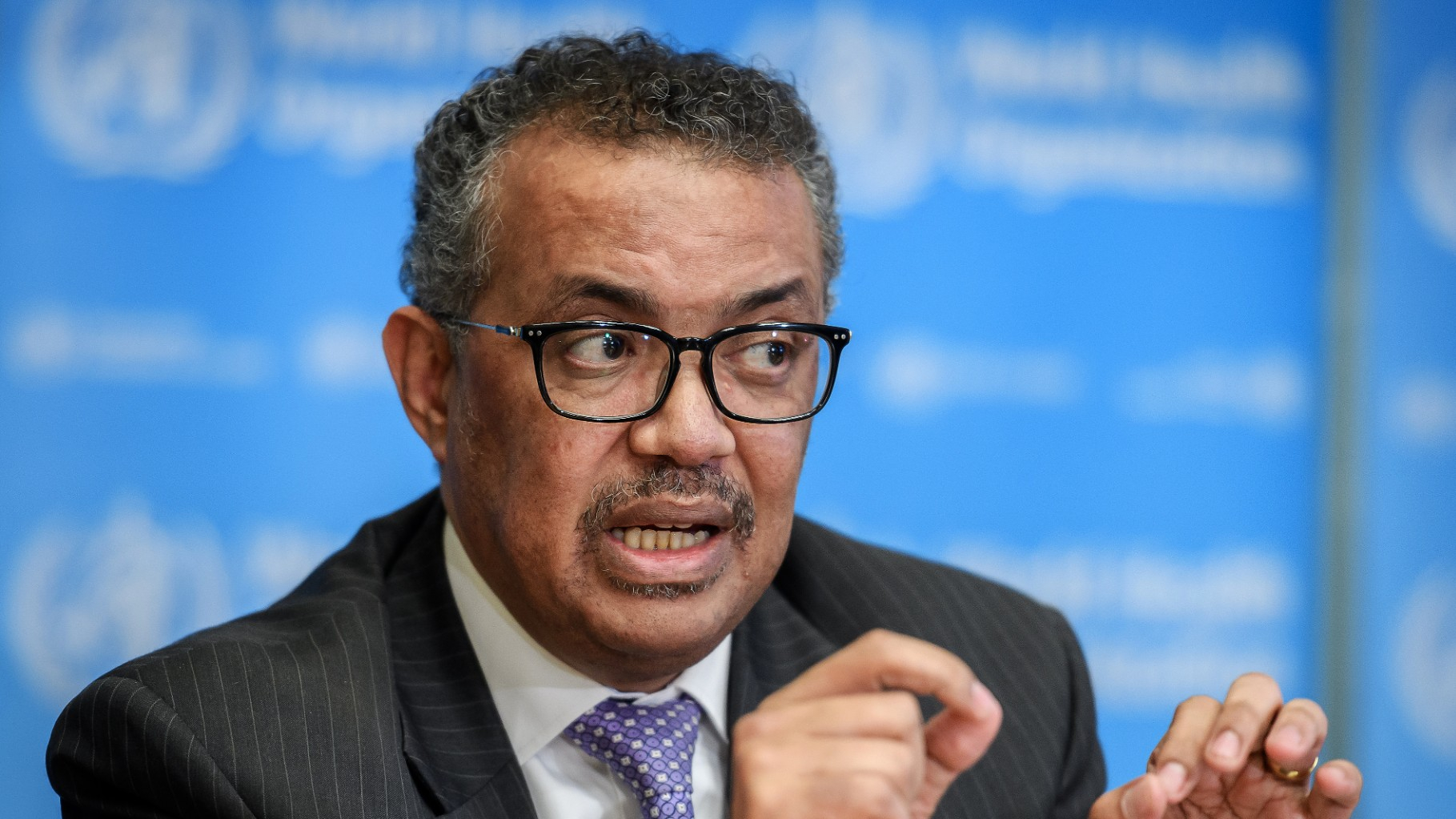
World Health Organization (WHO) Director-General Tedros Adhanom Ghebreyesus speaks during a press conference at the World Health Organization headquarters in Geneva on June 25, 2020. (Fabrice Coffrini/AFP)
 Tedros Adhanom Ghebreyesus Fabrice Coffrini/AFP
"Although the team has concluded that a laboratory leak is the least likely hypothesis, this requires further investigation, potentially with additional missions involving specialist experts, which I am ready to deploy."
"[The international expert team had] expressed the difficulties they encountered in accessing raw data [while in China]."
"[The report also] raises further questions that will need to be addressed by further studies."
"I expect future collaborative studies to include more timely and comprehensive data sharing."
Tedros Adhanom Ghebreyesus, Director-General, World Health Organization
 
Members of the World Health Organization (WHO) team investigating the origins of the novel coronavirus arrive by car at the Wuhan Institute of Virology in Wuhan, in China’s central Hubei province on February 3, 2021. (Hector Retamal/AFP)

"I still think the most likely etiology of this pathogen in Wuhan was from a laboratory escape."
"Other people don't believe that, that's fine, science will eventually figure it out."
Robert Redfield, virologist, former head, Centres for Disease Control

"[The Institute saw] no disruptions or incidents."
"[A formal audit of the laboratory was] far beyond what our team is mandated to do or has the tools and capabilities to do."
"The fact that we assessed this hypothesis [that the SARS-CoV-2 virus escaped from the Wuhan Institute of Virology lab] as extremely unlikely doesn't mean it's ruled out."
Peter Ben Embarek, WHO investigative team
"We were allowed to ask whatever questions we wanted, and we got answers. The only evidence that people have for a lab leak is that there is a lab in Wuhan."
"A thousand samples [of animals sold at the Huanan market when the WHO investigative team took samples from 188 animals of 18 species at the market, all of which tested negative] is a great start, but there’s more to do."
WHO team member Peter Daszak
Woman selling live chickens and ducks in cages at a food market in Lanzhou, China
Animal markets like this one in China could be a source of the COVID-19 pandemic, according to the WHO report.   Credit: Eric Lafforgue/Art In All Of Us/Corbis via Getty

The World Health Organization's investigative team of ten travelled to Wuhan, China for the express purpose of conducting an unbiased, scientific survey of any available evidence in an attempt to determine the source of the SARS-CoV-2 virus that swept the world when it first surfaced as a strange new pneumonia-like pathogen deadlier and more infectious than most viruses that erupt from time to time in the East and spread eventually worldwide. The WHO team had plenty of local assistance in their diligent search for answers during their two-week stay.

There were quite a few interviews and on-site examinations, bearing in mind that the team had to first isolate on arriving in China before they could proceed. With them throughout their investigative exercise was a matching team of Chinese scientists to give them aid and direction, some 17 in number. The People's Republic of China was deeply and sincerely invested in the search for the origins of the novel coornavirus, making certain that at all times the WHO researchers were escorted by Chinese officialdom.

WHO microbiologists and medical researchers fully intended to do a thorough and creditable job of searching for answers while conducting interviews under constant supervision in the presence of government officials. Needless to say every individual who was questioned to gain a wider and more full understanding of what had occurred would have been under a certain level of constraint, testifying under the fixed scrutiny of government agents. In their minds no doubt, the fate of Li Wenliang accused of 'spreading harmful rumours' when he first alerted his colleagues to the presence of a threatening new virus. Before he himself died of COVID.

"It's essentially a highly-chaperoned, highly-curated study tour ... this group of experts only saw what the Chinese government wanted them to see", explained Jamie Metzl, former senior adviser to then-U.S.President Bill Clinton. What is known is simply that a novel coronavirus erupted from some source within walking distance of the high-security laboratory under the aegis of the Wuhan Institute of Virology specializing in the study of coronaviruses. It is also known that the laboratory is located not far from the wild animal 'wet' market where both domestic animals and exotic animals were sold, dead and alive.

And it was the market that Chinese authorities pointed to as the unfortunate source of cross-species, animal-to-human viral vector. These wet markets exist throughout Asia where an insatiable appetite for exotic animals like bats, snakes, pangolins and many other creatures can be satisfied. Crossing the species barrier for pathogens is rare, but it does happen. It did with AIDS and we know what agony that led to throughout the world.
"We could show the virus was circulating in the market as early as December 2019."
"A lot of good leads were suggested in this report, and we anticipate that many, if not all of them, will be followed through because we owe it to the world to understand what happened, why and how to prevent it from happening again."
Peter Ben Embarek,  co-leader, WHO investigative team
Long before the novel coronavirus was identified, the Wuhan Institute of Virology had come in for lax safety regulation criticism when a U.S. team of scientists had visited the premises and felt alarm at the situation prevailing there. That very same laboratory is involved in a security breach that took place in Canada's own National Microbiology Laboratory in Winnipeg when a high-profile Chinese scientist and her husband, both employed there, were escorted from the lab never to return. Involved in an unauthorized transfer of highly sensitive biological samples from there to the Wuhan lab.

The team of WHO investigators appear to have reached the conclusion through a joint report that a lab escape of the coronavirus was to be regarded as "extremely unlikely" following a brief examination of the Wuhan Institute of Virology. Four hours were spent at the facility by the WHO team, the investigation limited to interviews with laboratory staffers where the investigators were informed that no disruptions or incidents occurred, and nor did the WHO investigators request collaborative documentation.

The Beijing government appears to have withheld case data from outside investigators, the WHO team no exception. China, it would appear, deigned not to honour a request to turn over 174 health records from the first patients in Wuhan to contract COVID-19: "They showed us a couple of examples, but that's not the same as doing all of them, which is standard epidemiological investigation", explained Dominic Dwyer of the WHO team.

What the WHO team reported was that 92 cases of Wuhan patients exhibiting COVID-like symptoms were documented in October of 2019, quite a few weeks before the officially recognized first cases were reported by the Chinese government. The investigators were given Chinese assurances that serological tests indicated no link to COVID-19.


Labels: , , , , ,

Tuesday, February 02, 2021

Beijing, Vindicatng Itself


An old man looking at somewhere far away from him
Mr Zhang's father (Supplied: Zhang Hai)
"Very important site visits today -- a wholesale market first & Huanan Seafood Market just now."  "Very informative & critical for our joint teams to understand the epidemiology of COVID as it started to spread at the end of 2019."
Peter Daszak, zoologist with U.S. group EcoHealth Alliance, member of WHO team
 
"The government's first priority is to protect the people's health and safety, but it failed to inform the public as soon as the coronavirus outbreak happened."
"My father, a very patriotic soldier, had devoted his youth to the nation … but he was killed by COVID-19 in his later life."
"The epidemic would never happen if the government had truly put the people's interest [as their] first priority."
"[He wouldn't trust visits organized and limited by the Chinese government, and thought the information patients gave could be] highly suspicious."
"They could have been trained many months ago, and been ordered to stage and repeat the government's narrative."
"I am highly concerned that the WHO experts in Wuhan are not a match for these counterfeiters."
 Zhang Hai, 51, Wuhan resident
 
WHO experts went to an exhibition in Wuhan
The WHO team visits an exhibition about the Government's successful response to contain the coronavirus in Wuhan on Saturday.   (AP: Ng Han Guan)
"[I had] police interviews, cameras pointing at home, and dismissal from work. They pressured my families, stalked my activities, which is completely unscrupulous."
"[I am told] don't contact the foreign media, because it will be used by anti-China forces, which is detrimental to our country."
"I just want everyone to know that the government is a murderer for hiding the epidemic."
 Parent who lost an only child

Government propaganda for the Chinese Communist Party officially denies it was in any way irresponsible over its handling of the SARS-CoV-2 virus that causes COVID-19, over charges that it waited too long to warn the international community and the World Health Organization of its discovery of a strange new pneumonia-like illness that was plaguing people in Wuhan City. Its assurance when it did alert the WHO that person-to-person transmission was unlikely was inaccurate and harmful to the world's understanding of what was unfolding.

Not only does Beijing deny that it acted in anything but a responsible manner, but it also denies that the virus itself first emerged in Hubei Province, northern China. Rather, the propaganda slyly insists it emerged elsewhere, abroad, and was imported to China. That happened in one of two ways, they claim; either through infected frozen meat exported by a European country into China, or it was deliberately brought to China by U.S. agents. 

Beijing's inexcusable attempts to hide the presence of a new, highly contagious and lethal-to-the-elderly virus, its silencing of physicians in Wuhan hospitals who raised the alarm, threatening them and accusing them of spreading 'false news', also did not happen, but represents a malicious attempt on the part of the West to smear China. Casually speaking of the virus as the 'Wuhan virus', or the 'Chinese virus' sends Beijing into paroxysms of fury, but not a word is murmured by the WHO about racism when the media speak of the new 'U.K.' mutation', or the 'South African' variant.

Beijing screamed bloody murder and called it racism when other countries began to close their borders to China, and the World Health Organization chastised those that did, wagging a finger of racism at them as well. Yet once China succeeded during the first wave of the coronavirus to achieve a measure of control, it closed its borders to entry from abroad, where Italy and Spain in particular were experiencing a crisis in runaway COVID infection rates overwhelming their health care systems.

Wuhan
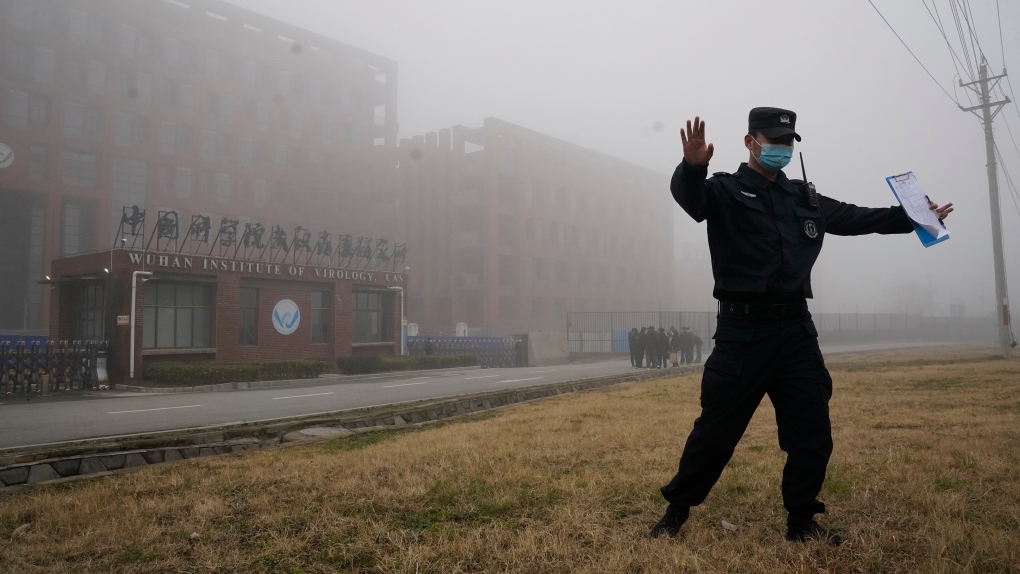
A security person moves journalists away from the Wuhan Institute of Virology after a World Health Organization team arrived for a field visit in Wuhan in China's Hubei province on Wednesday, Feb. 3, 2021. The WHO team is investigating the origins of the coronavirus pandemic has visited two disease control centers in the province. (AP Photo/Ng Han Guan)

American authorities and some U.S. bioscientists raised the possibility that the virus was an escapee of a biohazard laboratory located not far from the Wuhan live meat market which sold pangolin, wolf cubs, bats, snakes and other live animals for slaughter for the human palate and where the presence of the SARS-CoV-2 virus was first said to have emerged. To this day there is no consensus of opinion over that hypothesis; eminent scientists declare it to be hugely unlikely while others retain suspicion.

China delayed the entry of the WHO team of investigators to Wuhan City although it had initially agreed that it would cooperate with their mission to study the breakout of the virus that had crossed the species barrier from wild animals to human victims, not an entirely rare occurrence and invariably difficult to control. But after delays and controversy, the team, having undergone a 14-day mandatory isolation period on arrival in China, is now into its third day of a two-week investigation.
"The team plans to visit hospitals, laboratories and markets. Field visits will include the Wuhan Institute of Virology, Huanan market, Wuhan CDC [Center for Disease Control and Prevention] laboratory."
"All hypotheses are on the table as the team follows the science in their work. They should receive the support, access and the data they need."
World Health Organization statement
 
"It is now that the actual field work can begin, and it is my expectation that for this part of the mission we will have unhindered access to the requested destinations and individuals."
"But it is important to remember that the success of this mission and origin-tracing is 100 percent depending on access to the relevant sources."
"No matter how competent we are, how hard we work and how many stones we try to turn, this can only be possible with the support from China."
Thea Fischer, Danish team member
China's foreign ministry for its part said the WHO team is scheduled to participate in seminars, visits and field trips, and it is no doubt hoping that it can de-politicize the assumptions some of the WHO members come equipped with, while carrying on its own politicization of a topic so overwhelmingly pervasive throughout the world and so deadly that millions of lives globally have been lost to the viral predator. Beijing, by setting its own program for the visit before the investigators, likely seeks to diminish the time allotted for the WHO members' own agenda while consuming that time in 'meetings'.
 
Beijing has also made it abundantly clear that it has complete control over where the WHO team will be escorted, always in the presence of handlers. And the many Chinese who are intent on being interviewed by the WHO team while Chinese authorities harass and threaten their outspokenness, is simply yet another facet of a lost cause; try as they sincerely will, with the obstacles placed in their path to fulfilling their mission, it is highly unlikely the WHO will come away with anything but Beijing's approved narrative.
 
Wuhan
A worker in protective overall passes by a warehouse at the Baishazhou wholesale market during a visit by the World Health Organization on the third day of field visit in Wuhan in central China's Hubei province on Sunday, Jan. 31, 2021. (AP Photo/Ng Han Guan)

Labels: , , , , , ,

Wednesday, August 05, 2020

The Long, Weary COVID Road Ahead

Tedros Adhanom Ghebreyesus, director-general of the WHO, /AFP
"We all hope to have a number of effective vaccines that can help prevent people from infection. However, there's no silver bullet at the moment -- and there might never be one."
"By wearing a mask, you're sending a powerful message to those around you that we're all in this together. Wear a mask when appropriate. Keep your physical distance from others and avoid crowded places. Observe coughing etiquette, clear your hands frequently and you'll be protecting yourself and others."
"The message to people and governments is clear: Do it all."
"Over the past week, we've seen several countries that appeared as though they were past  the worst now contending with fresh spikes in cases."
"There are concerns that we may not have a vaccine that may work, or its protection could be for just a few months, not more. But until we finish the clinical trials, we will not know."
Dr.Tedros Adhanom Ghebreyesus, director general, World Health Organization
"[In some states with moderate case counts, experts are seeing] that same insidious increase in percent positive that we had seen and pointed out ... in states like Tennessee, Kentucky, Ohio, Minnesota and others."
"[States with high coronavirus case counts should reconsider imposing lockdown restrictions, as an imperative to reach a low baseline before the emergence of the fall flu season]."
Dr.Anthony Fauci, infectious disease expert, United States
"We're doing our very best. Sorry, Manila", President Rodrigo Duterte said  in response to the number of cases breaching 100,000 as he reintroduced a "modified enhanced community quarantine", for the capital and its outlying areas to restrict non-essential businesses while permitting people to leave their homes only for work or to buy food. On Sunday, the Philippines recorded 5,032 additional infections, representing the country's largest single-day increase for a total of 2,104 deaths.

In Iran, new data has emerged suggesting the number of deaths recorded by the government stood at 42,000 until July 20, as opposed to the total of 14,405 deaths released in a report by the health ministry. The same data showed 451,024 cases, close to doubling the 278,827 officially reported. BBC Persian had obtained the documents even while a resurgence was reported by the health minister. In rejecting the BBC report a health ministry spokesman claimed foreign media relied on anonymous sources and unscientific methodology for their own political purposes.

Dr. Tedros, speaking from the Geneva headquarters of the World Health Organization, issued his warning in response to the over 18 million cases of COVID-19 recorded world-wide, of which the United States, Brazil and India continued to report new infections in ongoing high numbers. Australia and Vietnam are also reporting a resurgence of cases, requiring a return to lockdown conditions. The death toll globally stands at a grim 688,080.

Leading Mr. Tedros to urge countries to continue testing, isolating and treating patients while tracing and quarantining their contacts. Melbourne, Australia closed all non-essential businesses in re-instituting lockdown measures in wake of a recorded 429 new cases and 13 deaths overnight on Monday. In the United States, Dr.Fauci emphasized how crucial it is that the outbreak be contained before the arrival of autumn when influenza numbers have the potential to spike alongside COVID-19.

He cautioned as well that though young children don't become seriously ill from COVID-19, they may still become infected and spread the virus in the community. As people begin to assemble indoors when cooler weather arrives with the fall, the risk of contagion steadily increases. Countries with high transmission rates, including Brazil and India, need to be prepared for the future, according to the WHO's head of emergencies. "The way out is long and requires a sustained commitment", reminded Dr.Mike Ryan.

And then, the interesting news that a WHO-led team comprised of Chinese and international experts is to be set up for the purpose of studying the SARS-CoV-2 virus's origins in the city of Wuhan.

Pixabay Corona 4959447 1280

Labels: , , , ,

Sunday, July 12, 2020

To Solve a Morbid Mystery

"We know it's very, very similar to the virus in the bat, but did it go through an intermediate species?"
"This is a question we all need answered."
WHO spokeswoman Margaret Harris

"Two WHO experts are currently en route to China to meet with fellow scientists and learn about the progress made in understanding the animal reservoir for COVID-19 and how the disease jumped between animals and humans."
"This will help lay the groundwork for the WHO-led international mission into the origins."
WHO director-general Tedros Adhanom Ghebreyesus

"Science must stay open to all possibilities [regarding the pandemic’s origins]."
"We need to lay out a series of investigations that will get the answers that I’m sure the Chinese government, governments around the world, and ourselves really need in order to manage the risk going forward into the future."
Mike Ryan, executive director, WHO's Health Emergencies Program
NYC virus
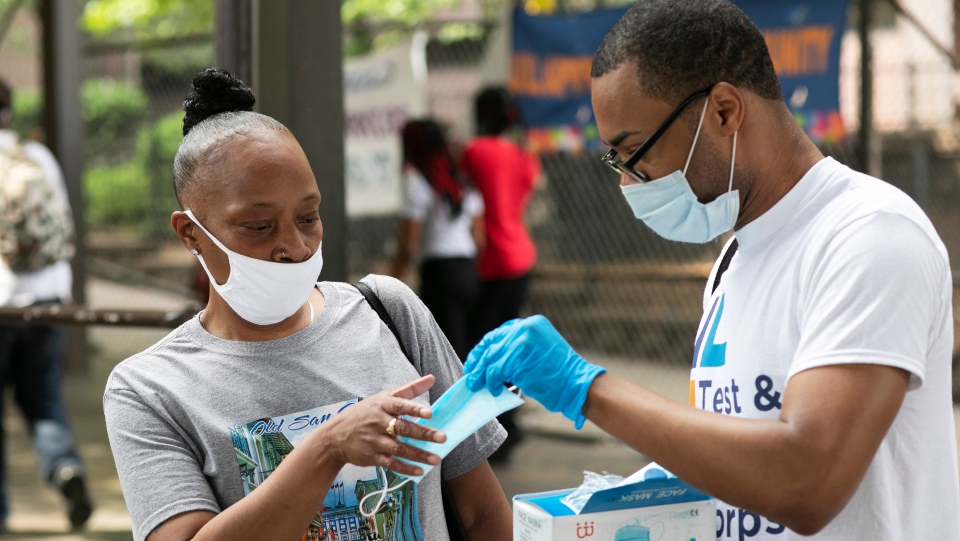
In this July 8, 2020, file photo, Stephane Labossiere, right, with the Mayor's Office of Immigrant Affairs, hands out masks and printed information about free COVID-19 testing in New York. (AP Photo/Mark Lennihan, File)
Scientists around the world are working feverishly, wracking their brains, engaging in research, involved in experimental trials, all in an effort under huge pressure, to discover a safe and effective vaccine for the SARS-CoV-2 virus that causes COVID-19, a respiratory disease that behaves like no other before it, sparing the majority of people it infects, and wreaking utterly morbid destruction in a minority of others. But this is a substantial minority, well over a half-million people have so far died from the dire effects of the novel coronavirus.

Few such zoonitics have proven to be so successfully opportunistic as this one. Spreading with lightning speed across an unready world. It was always known, and scientists warned governments that the global community was 'due' for a major pandemic. No one might have imagined the vast sweep and level of destruction such a global pandemic would be capable of causing, even with the historical record of the Black Plague that destroyed so many lives that Europe lost 25 million people.

Close to 13 million people worldwide have contracted COVID-19. This, in a technologically advanced world, with modern hospitals, well-trained health professionals, laboratories the world over using sophisticated research techniques, medical equipment relying on the latest in technical advances to aid in the desperate effort to save lives, stem the tide of infections, bring the virus under control.

But it is also an interconnected world, of travel and communications, trade and commerce of great assistance to the replicating and mutating disease seeking new homes in human bodies.


The Wuhan National Biosafety Laboratory researches some of the world's most dangerous viruses
The Wuhan National Biosafety Laboratory researches some of the world's most dangerous pathogens.  Photo: Wuhan Institute of Virology 

Science wants to know where the virus originated, when and how it transmitted from animals to humans to become a deadly zoonotic. It was initially held to have been transmitted to shoppers at an open-air market in Wuhan, China, where live animals were sold as well as fruits and vegetables and fish. But then, outbreaks were seen elsewhere in Wuhan, not from the market. The mystery compounded by the presence of two pathology research laboratories located in Wuhan, one quite close to the Wuhan market.

A theory was born that the virus was one produced in the laboratory, and that it had 'escaped'. Since then, tests on sewage in Italy and in Spain have detected traces of the virus that pre-date the first known emergence of the virus in China. None of the claims have been validated. But there are more than enough questions surrounding the mystery of where, how and when, that a scientific enquiry will be hard put to answer.

But the answers would provide some much-needed insights in the world of medical science to aid in combating this global pandemic, and to make preparations for those to follow.

The two WHO experts who are specialists in animal health and epidemiology are set to work in tandem with their Chinese counterparts. hoping to determine the scope and itinerary of the investigation. Among other questions to be probed, did the virus transfer through an intermediate species. As to its origins, as a chimera of a virus that the Wuhan laboratory worked on, then lost -- months before the outbreak was reported, U.S. diplomats visited the laboratory and were struck by its lax security, reporting back to Washington that they felt concerned.

All of which may, or may not be merely coincidental. The laboratory had discovered a SARS-like virus in bat caves in an isolated location and had been working on the virus for several years before the outbreak of the SARS-CoV-2 virus. In time, perfectly reasonable explanations in science may be discovered to clear up any mysteries relating to origin and transmission. In the meanwhile, there is an aura of distrust in t he scientific and political community worldwide, with accusations that China was less than forthcoming with its data.

Add to that the perception that the World Health Organization was less than objective in its relationship with China, and with the kind of information it was itself making available to governments worldwide in preparation for the spread of a highly infectious disease gaining a formidable reputation as a world-wide threat, and the impression is that whenever a report does
circulate that summarizes the analyses undertaken by the UN team, it may be viewed with skeptical caution.

Medical staff transfer a patient of a highly suspected case of a new coronavirus at the Queen Elizabeth Hospital in Hong Kong, China January 22, 2020. Picture taken January 22, 2020. cnsphoto via REUTERS. ATTENTION EDITORS - THIS IMAGE WAS PROVIDED BY A THIRD PARTY. CHINA OUT.
Medical staff transfer a patient at the Queen Elizabeth Hospital in Hong Kong, China. Photo Reuters
"We view the scientific investigation as a necessary step to having a complete and transparent understanding of how this virus has spread throughout the world."
"We expect that the Chinese Communist Party [CCP] will offer the team of scientists full access to data, samples, and localities, and look forward to its timely report."
Andrew Bremberg, U.S. ambassador to the United Nations, Geneva

Labels: , , , , ,

Wednesday, June 24, 2020

Record Worldwide Daily COVID Increase

"Certainly the numbers are increasing because the epidemic is developing in a number of populous countries at the same time and across the whole world."
"Some of that increase may be attributed to increased testing ... and certainly countries like India are testing more. But we do not believe that this is a testing phenomenon."
"There still are relatively low tests per population, and the positivity rates for testing are still quite high overall. From that perspective, we would say that this trend is not reflective of exhaustive testing, but probably underestimating the actual number of cases."
"I'm not 100 percent sure about the age profile, but I've seen the reports that some of this is among younger people. That may reflect the fact that  younger people are more mobile and they are getting out and taking advantage of the reductions in restrictions of movement .... "
"What is clear is that the increase is not entirely explained through just increased testing."
Mike Ryan, emergencies expert, World Health OrganizationNew Scientist Default Image
There are "worrying increases" of novel coronavirus cases in Latin America. Brazil in particular is seen by the World Health Organization as a country whose control of the outbreak is particularly questionable even as the number of SARS-CoV-2 infections have been soaring in a number of major countries simultaneously. Over 183,000 new cases of the new coronavirus were recorded on Sunday, the most in a single day since the December date of the outbreak, according to WHO chief Tedros Adhanom Ghebreyesus.

The nine million mark of global cases of COVID-19 was passed on Monday, identifying the United States and China reporting a new wave of outbreaks. They're not the only countries alarmed at the resurging epidemic hurling itself into their plans to reopen their shattered economies, leaving the future of international trade and individual nations' capacity to withstand much more damage, in question.

A leap in coronavirus cases in Chile, Argentina, Colombia, Panama, Bolivia and Guatemala, along with Brazil, which has itself passed the one million mark of infections among its population, is concerning for the WHO.

COVID-19
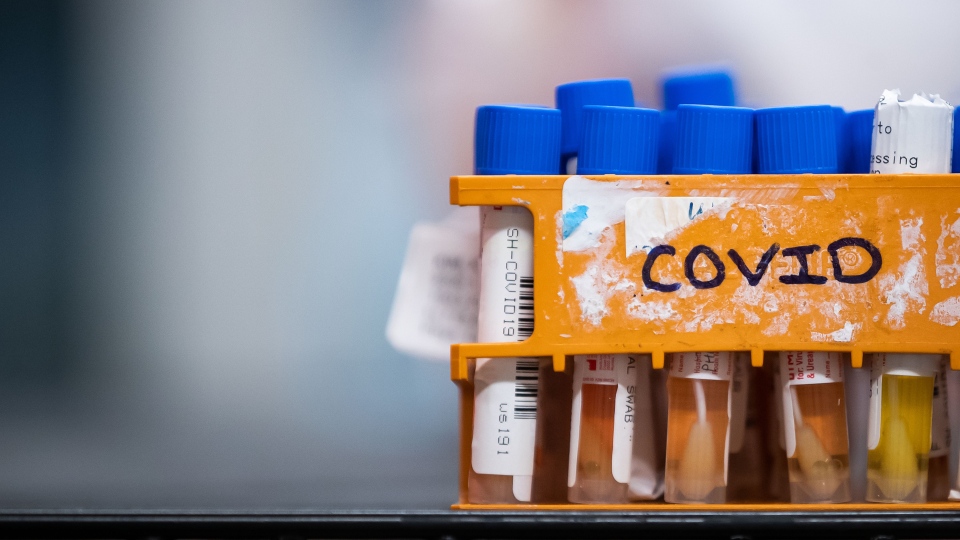
Specimens tested for COVID-19, LifeLabs The Canadian Press/Darryl Dyck

Brazil's outbreak is now counted second to that of the United States, where Brazil reported a record 54,000 cases in the most recent 24-hour period. As Latin America's largest, most populous country, Brazil has often recorded over 1,000 deaths in the space of a day in the last month.

President Jair Bolsonaro's handling of his nation's crisis has gained him wide criticism in the face of the crisis.

"Great upticks" in cases in a number of American states particularly concerns Mr. Ryan, who attributes the increase to a young generation of Americans feeling themselves impervious to harm.

And in Germany, where the reproduction rate of the virus has suddenly risen to 2.88 on Sunday, considerably higher than the target maximum level of one transmission per person required to contain the disease, the latest statistics stand out as particularly worrisome.


Labels: , ,

Friday, June 05, 2020

World Health Agency Like None Other

"The World Health Organization effectively co-ordinated so many different NGOs in a very complicated area."
"While, yes, it took a long time to get the outbreak [West Africa Ebola epidemic] under control, they were able to basically be the point people."
Dr.Srinivas Murthy, intensive-care specialist, University of British Columbia

"I have donated years of my time to organizations like and including the World Health Organization for absolutely no pay -- set up and worked in Ebola treatment and Central Africa with the WHO."
"Because no one else was there."
Dr.Rob Fowler, critical-care medicine specialist, Toronto
A health worker in Democratic Republic of Congo registers temperatures of people in July 2019, during an Ebola outbreak. The World Health Organization played an important role in handling the outbreak. Pamela Tulizo/AFP via Getty Images
According to Dr. Murthy, the disarray in the Democratic Republic of Congo in an effort to control the 2018-19 outbreak of Ebola would have had far worse outcomes even as health workers desperately attempted to save lives within an active and ongoing civil war theatre, had the World Health Organization not stepped in to marshal various medical aid groups while they were under violent attack.

When diphtheria swept through Rohingya refugee camps stationed in Bangladesh after the Muslim minority flooded out of Myanmar where they had been targeted by the military, the WHO played a similar role. Work of that kind on a global scale has convinced medical experts that the world health body will be in critical shape should American funding be withdrawn and the world, particularly the developing world, will be that much worse for its collapse.

The World Health Organization has come under fire repeatedly for the failings attributed to it in its leadership's decision-making most recently with the global pandemic, catering to China rather than objectively making its own informed decisions in alerting the world at large of the contagion of a new virus wreaking havoc wherever it inveigled its presence -- and that turned out to be everywhere, with disastrous consequences. Consequences that would have been less acute had Beijing been more forthcoming and the WHO more critical and assertive.

Much of the world body's work takes place in poorer countries of the world such as in aiding the fight against diseases like HIV, tuberculosis and malaria, where countries lack their own public-health infrastructure. The World Health Organization is highly dependent on the willingness of wealthy countries of the world funding its activities, and the U.S. portion of that funding is considerable, corresponding to 15 percent of its total budget.

"The WHO really will be financially in big trouble", director of the Center for Global Health Studies, Yanzhong Huang at New Jersey's Seton Hall University stated, unless another country takes steps to fill the hole the withdrawal of U.S. funding will create. Beijing, in fact, a wealthy nation that has been sprinkling its wealth around the world in its famous 'belt and road' initiative, could fill that role. It is, after all, the Trump administration's feeling that the WHO is in China's hands in any event.

"In spite of the rhetoric, the biggest beneficiary of the president's move will almost surely be China", pointed out Dr.Ashish Jha, director of the Harvard Global Health Institute, an occasional critic of the World Health Organization. Funded by assessing what countries can afford, based on their GDP, accounts for about 20 percent of the WHO budget, over and above voluntary contributions many of which are from non-governmental organizations such as the Gates Foundation, the second largest overall contributor after the US., followed by Rotary International.

China, in point of fact, contributing $85 million to the WHO, was 46th in line as a contributor, lagging even Canada at 14th with contributions of $100 million, as opposed to the 2018-19 funding cycle where the U.S. assessment was $893 million. And then came news, after U.S.President Donald Trump expressed his displeasure with the WHO for aiding China in downplaying the COVID-19 outbreak that has devastated the U.S., that WHO officials themselves became frustrated behind the scenes with China.

Beijing's delays in releasing data on the new coronavirus didn't earn it any praise from WHO officials, beyond its leadership elite. In its eagerness to accept China's initial claim that COVID was not transmitted person to person, arguing against travel restrictions to slow the spread of the virus, WHO officials became increasingly frustrated. The WHO's handling of the 2009 H1N1 flu pandemic was considered alarmist; conversely its reaction to the 2013-14 Ebola outbreak, ineffective.

Dr.Huang of the Center for Global Health Studies questions spending priorities at the WHO where Polio eradication absorbed 27 percent of the 2018-19 program budget; close to $1 billion, even as the number of cases narrowed to a few hundred. What redeems the WHO in the opinion of doctors, academics and global health experts is the work done in co-ordinating COVID vaccine development efforts and organizing clinical trials of potential treatments.

WHO Director-General Tedros Adhanom Ghebreyesus delivering a speech via video link at the opening of the World Health Assembly virtual meeting from the WHO headquarters in Geneva, amid the COVID-19 pandemic. World Health Organization / AFP


Labels: , , ,

Follow @rheytah Tweet