"While mail may be contaminated, the risk of COVID-19 infection
when handling paper mail or cardboard packages, including international
mail, is extremely low. We
know that the virus is most frequently transmitted when people are in
close contact with others who are infected with the virus [either with
or without symptoms]."Public Health Agency of Canada
A man gets a throat swab for the COVID-19 test at a mobile coronavirus
testing facility outside a commercial office building in Beijing on Jan.
17, 2022. Beijing's first reported case of the Omicron variant has
prompted stepped-up measures in the nation's capital, just weeks before
it hosts the Winter Olympic Games. (Associated Press)
"[I expect to see more finger-pointing if there are outbreaks during the Beijing Winter Olympics]."
"It
is easy for China to blame Canada as there is no way to investigate the
issue to say if it is true and if so, did the virus amount really
constitute a threat?"
"As China has more and more difficulty with its zero-COVID policy, it will blame foreigners for its predicament."
Guy St-Jacques, former Canadian ambassador to China
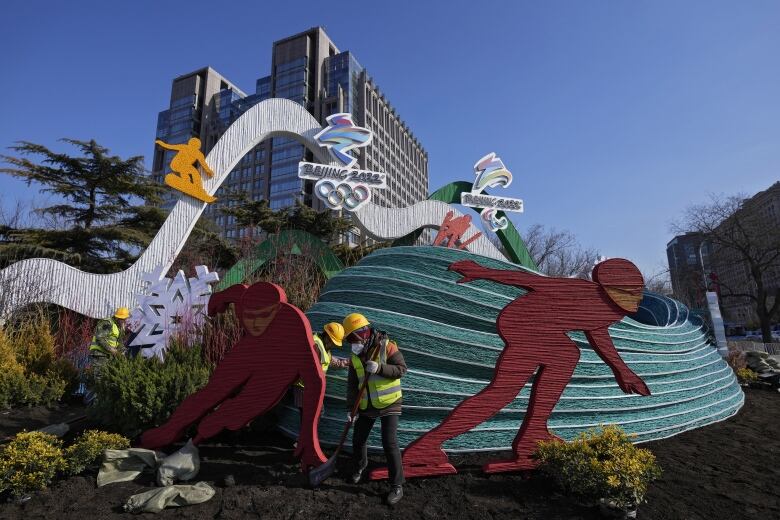
Workers wearing face masks to help protect from the
coronavirus set up a decoration for the Winter Olympic Games in Beijing,
Sunday, Jan. 16, 2022. (Andy Wong/AP)
Deputy Director Pang Xinghuo of the Beijing Centre for Disease Prevention and Control charged that the first patient to contract the Omicron variant in the Chinese capital had received a letter mailed from Canada on January 7, according to the South China Morning Post. "We do not rule out the possibility that the person was infected through contacting an object from overseas", she commented.
There are two rather amazing things about this story; one, that Canada Post somehow managed to forward a letter to China in record time, despite its usual snail-pace service from say, Toronto to Vancouver; two, that the Chinese elite-level medical service can seriously believe as stated that paper or cardboard shifted across international borders on a long trip handled by many innocents managed to bring with it a live pathogen capable of infecting a poor innocent Beijing resident courtesy of a Canadian correspondent.
Strangely enough, locally-transmitted Omicron mutated infections have been diagnosed in Beijing, Shanghai and Guangdong and one wonders whether the infected persons were interrogated over whether they had received mail correspondence from some hugely infected source such as Canada. Possibly as a return gift to the very source of the original COVID-19 pathogen which China so kindly released world-wide to devastate the world's population and economy in the interests of sharing.
A Toronto letter sent to a Beijing correspondent, transmitting the Omicron variant in view of the Wuhan-based coronavirus sounds like a very friendly exchange. One anomalous infection courtesy of a correspondent sent to an unsuspecting contact returning the compliment of multi-hundred-millions infections spread worldwide by unsuspecting Chinese citizens never realizing -- while their governments most assuredly did -- that they were spreading the novel coronavirus globally.
That's the sour outlook of what has occurred these past two years and is adamantly, feverishly ongoing. According to genome sequencing of the patient's sample, the Omicron strain was 'similar' to the one spreading in North America and in Singapore last month. Different from the one currently found in other parts of the country, according to the South China Morning Post. And who would disbelief the official Beijing news source?
Margaret McCuaig-Johnson might, as a University of Ottawa China expert with over three decades working on China issues in the Canadian public service. Who opined it is downright ludicrous suggesting that the strain might have survived on an envelope or package that travelled that distance through international mail. Chinese allegations indicates its leadership still continues to target Canada following the dispute over the arrest of Huawei's Meng Wanzhou in 2018 in an extradition case dropped in 2021.
Last year, Chinese officials repeated the claim that COVID-19 had been discovered on contaminated imports such as frozen foods, despite the fact that the virus cannot survive on surfaces (fomites) for prolonged periods, according to medical experts everywhere. Beijing has also asserted its conviction that the coronavirus did not originally erupt in China, but was brought there by foreigners from abroad (see U.S.ofA.)
"Because of the poor survivability of coronaviruses on surfaces there is a low risk of spread from products or packages shipped over a period of days or weeks."
World Health Organization
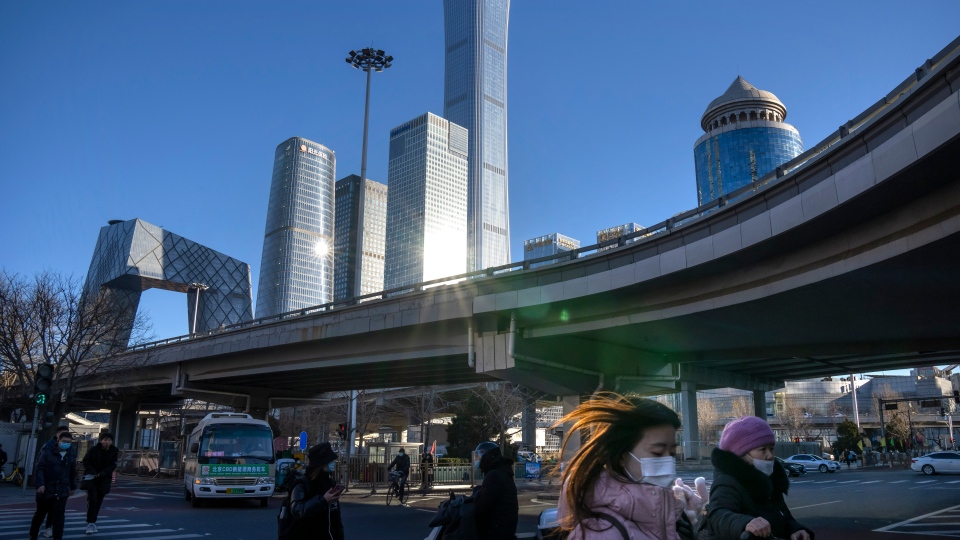
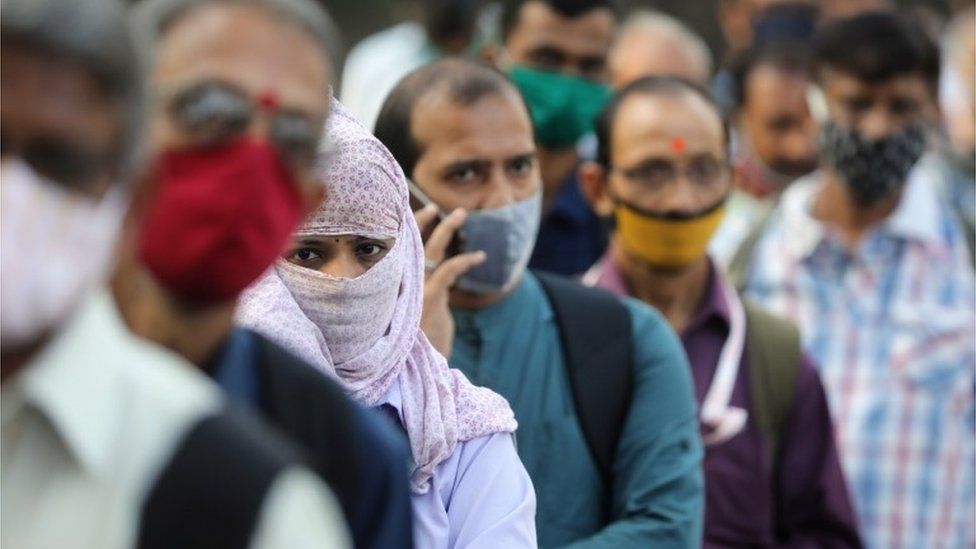
Commuters wearing face masks to help protect against the coronavirus
walk across an intersection in the central business district in Beijing,
Thursday, Jan. 13, 2022. (AP Photo/Mark Schiefelbein)
"The WHO [World Health Organization] asked us if we could share the biological material and if we could rerun the tests in an independent laboratory."
"We accepted."
"None of the studies published so far have ever questioned the geographical origin [of SARS-CoV-2]."
"The growing doubt is that the virus, probably less powerful compared to later months, was circulating in China long before the reported cases."
Giovanni Apolone, scientific director, Milan Cancer Institute
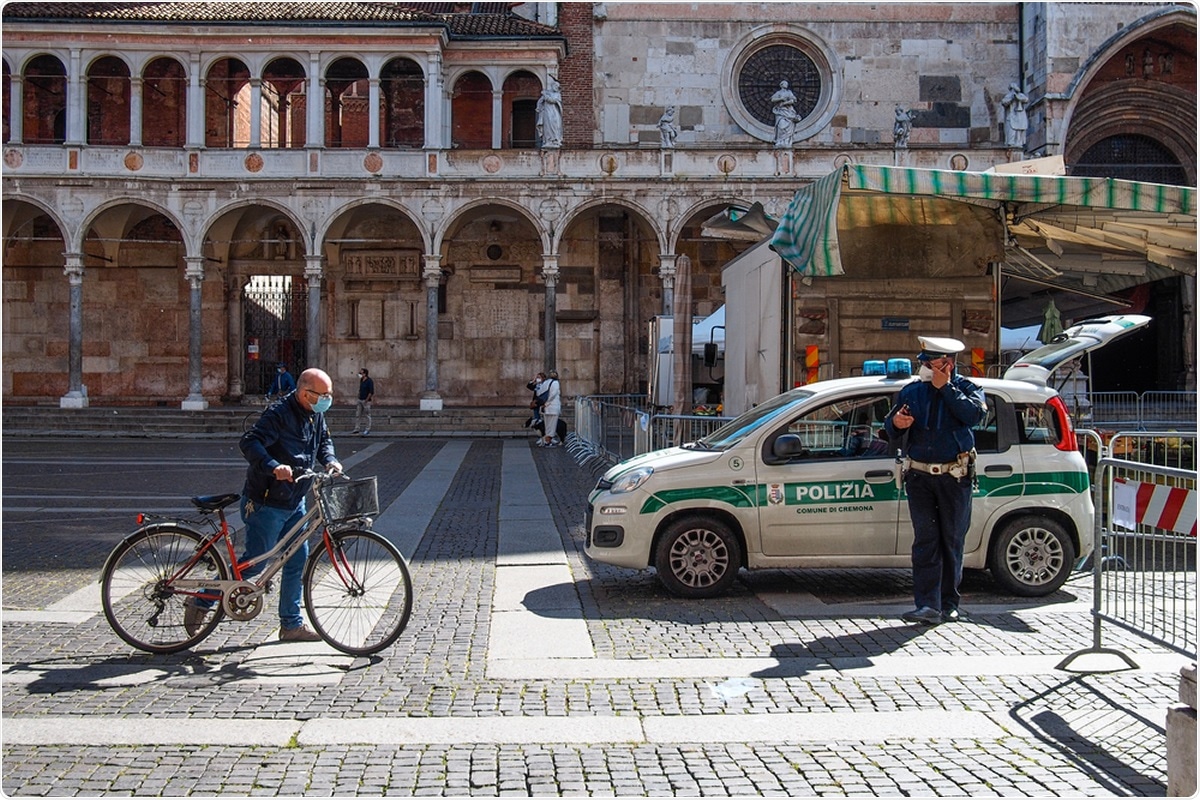
Study: Unexpected detection of SARS-CoV-2 antibodies in the prepandemic period in Italy. Image Credit: columbo.photog / Shutterstock
The World Health Organization requested of two scientists who had led Italian research into the first appearances of the novel coronavirus that samples from a study suggested the coronavirus was circulating outside China by October of 2019 undergo re-testing. This, in the face of discomfort at the WHO over growing international pressure to investigate more deeply the origins of the global pandemic that has succeeded in ending the lives of over three million people globally.
And nor is the WHO particularly enamoured of U.S.President Biden's announcement that American intelligence agencies were directed by him to pursue the issue of rival theories inclusive of the possibility that a laboratory 'escape' accident in China unleashed this killer virus on the world body. Their response was that the search for answers was being "poisoned by politics". Whereas it is more than likely that politicians and scientists want to understand what, who and why caused this pandemic to stalk the world.
Its predatory presence first identified in the Chinese megacity of Wuhan in December of 2019, Italy's first patient with COVID-19 was diagnosed on the 21st of February, 2020 in a small town close to Milan. Last year a published study revealed evidence that antibodies to the virus or a variant thereof was detected in 2019, in Italy. Information that Beijing gratefully grasped and ran with as proof-positive that the SARS-CoV-2 virus causing COVID emanated not from China, but Italy.
In response, the Italian researchers emphasized that the findings served to raise questions relating to when the virus first emerged, not where it emanated from. "WHO is in contact with the researchers that had published the original paper. A collaboration with partner laboratories has been set up for further testing", explained a spokesperson for the World Health Organization. WHO, the United Nations agency that has just elected Syria to its board.
The Syrian regime knows quite a bit about mass killing. Fit to sit on the world body's health board. After all, it is an impressive number, a half-million Syrians dying at the military hands of their own government, who used poison chemicals, barrel bombs and helicopter gunships to penalize its citizens who questioned the right of a tyrannical government to disorder their lives.
The UN agency has made contact with all researchers who published or provided information on samples collected in 2019 that were known to have tested positive for SARS-CoV-2. And similarly the spokesperson mentioned that the WHO, aware the researchers plan to publish a follow-up report "in the near future" wants to keep ahead of results, interpretations and claims.
Published by the INT's scientific magazine Tumori Journal, the Italian researchers' findings showed the presence of neutralizing antibodies to SARS-CoV-2 isolated in blood drawn from healthy volunteers in Italy in October 2019 during a lung cancer screening trial. Those volunteers came from Lombardy, which happens to be the northern region adjacent Milan -- the first and hardest hit in Italy, by the virus.
Coronavirus vaccination in Iseo, Italy, on February 26, 2021. As the third wave of Covid-19 pandemic ...NurPhoto via Getty Images
Abstract
There
are no robust data on the real onset of severe acute respiratory
syndrome coronavirus 2 (SARS-CoV-2) infection and spread in the
prepandemic period worldwide. We investigated the presence of SARS-CoV-2
receptor-binding domain (RBD)–specific antibodies in blood samples of
959 asymptomatic individuals enrolled in a prospective lung cancer
screening trial between September 2019 and March 2020 to track the date
of onset, frequency, and temporal and geographic variations across the
Italian regions. SARS-CoV-2 RBD-specific antibodies were detected in 111
of 959 (11.6%) individuals, starting from September 2019 (14%), with a
cluster of positive cases (>30%) in the second week of February 2020
and the highest number (53.2%) in Lombardy. This study shows an
unexpected very early circulation of SARS-CoV-2 among asymptomatic
individuals in Italy several months before the first patient was
identified, and clarifies the onset and spread of the coronavirus
disease 2019 (COVID-19) pandemic. Finding SARS-CoV-2 antibodies in
asymptomatic people before the COVID-19 outbreak in Italy may reshape
the history of pandemic.
Canada's Prime Minister's Unreciprocated Love Affair With China
"Threats,
censorship and intimidation will continue as long as companies,
not-for-profits academia, politicians, media and other institutions with
vested interests are fearful of angering Beijing."
"Beijing is effectively exporting their authoritarianism overseas."
"Dissidents are not safe. Not at work, not in their homes, not in civil societies, and not in Canada."
"[There
is a] persistent lack of knowledge and understanding of these networks
of influence within Canadian institutions, politics and society [which
permits Chinese infiltration to influence Canada to go under the
radar]."
Cherie Wong, executive director, Alliance Canada Hong Kong
"[China
has also expanded its influence through academia, particularly in the
area of research and development, often through] ludicrous funding
opportunities that trap academics and researchers into long-term
coercive relationships [funded by foreign actors]."
"Inadequate federal regulations [have allowed such partnerships to continue]."
"Beijing
aims to influence the next generation of technologies to disrupt,
dominate, and silence democratic nations, making it clear they do not
intend to follow the international order or be a fair and transparent
global partner."
Report, Alliance Canada Hong Kong
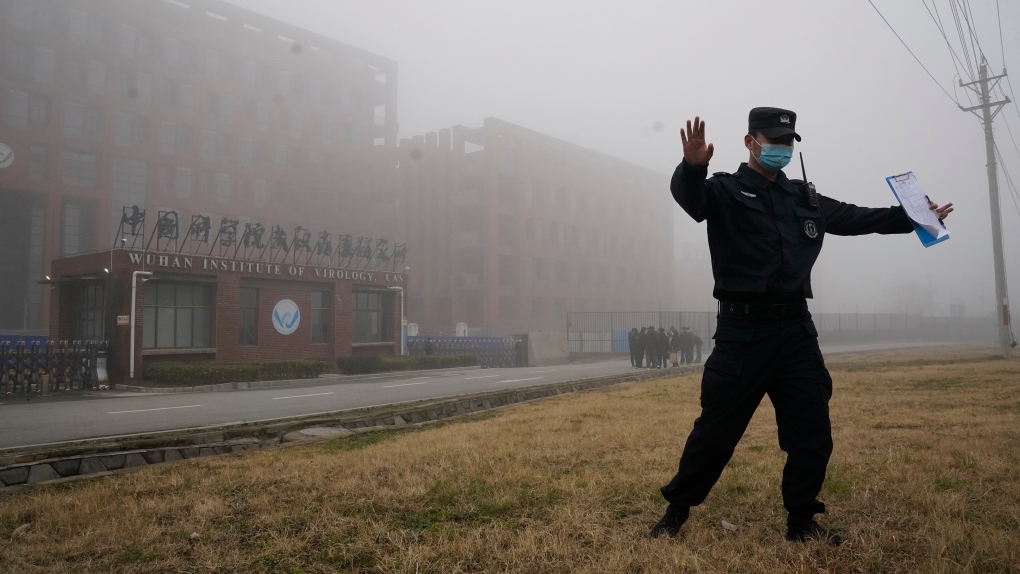
Security personnel keep watch outside the Wuhan Institute of Virology
during the visit by the World Health Organization (WHO) team tasked with
investigating the origins of COVID-19, in Wuhan, Hubei province, China
on Feb. 3, 2021. (Thomas Peter/Reuters)
The
most recent egregious Canada-China interaction has a sinister air of
confidence, marked top secret in a country whose prime minister once
infamously and naively stated his admiration for the Chinese Communist
Party, able to 'turn on a dime'. Justin Trudeau recalls fondly when as a
child he accompanied his father, then-Prime Minister Pierre Elliott
Trudeau to China, opening Canada up to the CCP, just as he had taken the
current prime minister Justin Trudeau in those long-ago days to Cuba to
meet with 'Uncle Castro' for whom he long retained a fondness.
As
prime minister, Justin Trudeau makes decisions that impact the entire
country. As he did, when the novel coronavirus escaped China's borders
to make deadly inroads globally, by making the decision that Canada
would seek a vaccine in collaboration with a Chinese pharmaceutical
company, CanSino, whose CEO and founder had attended a Canadian
university and worked for a Canadian pharmaceutical enterprise before
returning to China.
Prime
Minister Trudeau in tandem with the National Research Council
underwrote CanSino Biologics by providing it with Canadian intellectual
property on which to base its vaccine for Ebola and SARS-CoV-2. Under
the agreement reached with CanSino, Canadian technology would be used as
a scaffold on which to build a successful COVID vaccine which was meant
to be tested at Dalhousie University, with the NRC helping to produce
it in Canada if successful. Beijing decided, however, to block the
vaccine from being shipped to Canada.
Leaving
Canada in a vacuum of vaccine acquisition, since no contracts had been
signed with reliable pharmaceutical companies capable of producing
vaccines. Scrambling, in a late start to acquire vaccines, Canada was
late in their use since it was back-of-the-line in contracting for doses
to inoculate Canadians against the SARS-CoV-2 virus. But there is far,
far more to the Canada-China 'collaboration'. A connection between
Canada's National Microbiology Laboratory in Winnipeg, and the Wuhan
Institute of Virology, both high-security labs involved in research with
highly lethal pathogens.
The
head scientist at Winnipeg's Vaccine Development and Antiviral
Therapies section in the Special Pathogens Program lab was Xiangguo Qiu,
a Chinese virologist. In July of 2019, she and her husband Keding
Cheng, as well as several of her Chinese students were escorted out of
the lab by the RCMP. No explanation was given while officials stated
only that a procedural investigation was underway. There were rumours in
circulation of unauthorized shipment of deadly viruses from the
laboratory to China; otherwise known as purloined intellectual property.
The
two top scientists were eventually fired when the Canadian Security
Intelligence Service called for revocation on national security grounds
of their security clearance. Another Chinese scientist, Feihu Yan
involved in the Winnipeg lab as a researcher with the Chinese military's
Academy of Military Medical Sciences, made heads swivel. Andy Ellis,
formerly with CSIS noted it was "madness" for the Public Health Agency
of Canada, responsible for the Winnipeg laboratory, to cooperate with
the People's Liberation Army.
"It is ill-advised. It is the top lab in Canada. It is just incredible naivete on their part",
he emphasized. The Public Health Agency of Canada refuses to disclose
anything relating to the firing of the two Chinese scientists much less
about the lab research or the relationship of the National Microbiology
Laboratory with the Wuhan Virology Laboratory, much less the third
skeleton in the closet, the involvement of the Chinese military.
In this 2017 file photo, Chinese virologist Shi Zhengli
works with other researchers in a lab at the Wuhan Institute of
Virology. The so-called Wuhan lab-leak theory postulates that
researchers may have been studying or even modifying such viruses to
better understand them, and that a lab accident allowed the virus to
escape. (Associated Press)
New
life has lately been breathed into the theory of the Wuhan Laboratory
studying bat viruses, its close geographical proximity to the fresh wild
animal market in Wuhan where suspicion was that the strange new
pneumonia-causing virus that had surfaced in Wuhan, a city of 11 million
people, later identified as a novel coronavirus that moved swiftly to
infect large swaths of people in Wuhan, in China, and gradually but
quickly the rest of the world, emerged. And COVID-19 was born. Was it a
rare virus that crossed the species barrier from animal to human? Or a
lab-escapee?
Prominent
scientists are now insisting that the theory is no longer in the realm
of conspiracy, that it is a feasible explanation for the presence of a
new and deadly SARS virus. That the Wuhan Virology Laboratory was
insufficiently secure and a virus that had been synthesized in the
laboratory had somehow escaped, an escape with horrendous consequences
-- and that Beijing was irresponsible in trying to hide its noxious
presence and in so doing introduced a global threat to human existence.
The
problem for Canada now, is its links with the laboratory and its
obviously compromised position. While U.S. President Biden has
authorized a deep investigation of the matter which Beijing most
certainly will not cooperate with, in permitting access to the
laboratory, to the market confines, to witnesses, to its scientists, to
the records that it refused the WHO investigative team access to, the
truth will somehow emerge, and Canada's role in the disaster will also
emerge, damning its reputation, thanks to a prime minister with
ambitions for a robust trade agreement with Beijing and a lack of common
sense.
Republicans, including former president Donald Trump, have
promoted the theory that the virus emerged from the Wuhan lab rather
than naturally through human contact with an infected animal. While
initially dismissed by some as a conspiracy theory, now credible
scientists are saying a proper investigation needs to be done. (Thomas Peter/Reuters)
Strict Controls During COVID Result in Fewer Deaths
"There's a lot of learning to be had from those countries where they've not had the same excess mortality."
"We do need to learn from those countries and see what they've done."
Dr.Thomas Beaney, researcher, physician, Imperial College London
"I did think the lockdowns were a cure worse than the disease. I was very much on the side of 'we have to open up, we're doing more harm than good'. I changed my mind on that."
"Probably the best and the cheapest policy you could have [tight border controls]."
According
to a Statistics Canada report last month, this country saw 13,798 more
deaths than would be expected by mid-December of 2020, based on previous
years and after accounting for the aging population.Photo by Peter J. Thompson/National Post/File
During this time of SARS-CoV-2 virus causing pathogenic infections all over the world many of the countries that reacted with lockdowns and strict isolation procedures have seen a plateau in what is described as "excess deaths", while other countries that adopted a more relaxed, open attitude to the incursion of the novel coronavirus have suffered more severely. What is a real phenomenon is that many countries have seen more people dying during this time of COVID-19 than would occur on an average year.
Australia, Taiwan and South Korea rate highly for their success in managing to contain the coronavirus. There, no 'excess deaths' appear to have occurred. They have, in fact, recorded fewer mortality cases than what occurred in 'normal' years, an outcome underscoring the success of their public health strategies. Excess-death data reflecting what is occurring across the globe has yielded intriguing trends that just might promise to guide the world to best practises in response to future pandemics.
Researcher-economist Ariel Karlinsky decided he would create a "world mortality dataset" in part to look further into suspicions that enacting strict public health measures to counteract the novel coronavirus had been unnecessary and counter-productive. His data set provides information on 77 countries drawn from a variety of sources, and regularly updated. In the process it destroyed his own hypothesis that the presence of the coronavirus was over-rated in danger, and government reactions were too restrictive.
Excess deaths are viewed by many experts as a gold standard of measurement as opposed to the flawed alternative statistics as an indicator of how grievously the pandemic has afflicted the world. The efficiency and extensiveness of testing relate to the reliability of the number of lab-confirmed cases. Mortality linked to the coronavirus can be difficult to compare, reflecting different criteria in various countries in counting individuals' COVID deaths. Some countries, additionally, have likely taken steps to hide the toll of the pandemic.
While not specifying the cause of death, excess mortality is more comprehensive comparably between nations according to Jason Oke, senior statistician with Oxford University's Nuffield Department of Primary Health Care Sciences. "It also takes into account possible side effects or indirect effects of the pandemic. It does truly measure the impact of the pandemic."
Canada, according to a Statistics Canada report issued last month, saw 13,798 additional deaths over what might be expected by mid-December 2020, based on previous years, after accounting for the aging population. Representing an increase of roughly five percent. Just over 14,000 deaths have been attributed to COVID-19 by last December, representing roughly 42 excess deaths per 100,000 people, according to Ode's Oxford team.
There were 132 per 100,000 in comparison in the United States during 2020; 100 in England and Wales; 33 in Germany; and 175 excess deaths per 100.000 in Poland. Most interesting: the minority of countries that were able to keep the coronavirus under control with a variety of public health measures where Australia saw a three percent decrease n excess deaths in 2020, New Zealand a six percent reduction, and Taiwan, South Korea and Singapore were flat or lower, according to Karlinsky's list.
Countries like South Korea that are rated highly for containing the
coronavirus have seen no excess deaths, or have reported even less
mortality than in “normal” years.Photo by Heo R
What has stood out in death-negative countries were tight restrictions on international travel, along with targeted lockdowns and aggressive contact tracing of those cases that did occur. In countries like Canada and Israel the range of excess deaths where less-stringent measures were enacted, leaves it unclear how well those lockdown formulas succeeded. Denmark and Norway had relative reductions in mortality while Sweden which eschewed strict lockdown measures experienced 1.5 percent more deaths than in recent years.
Excess deaths leave open-ended the cause of some such deaths reflecting the crude nature of excess death data. Some researchers feel it to be likely that some countries with large gaps between COVID numbers and excess mortality under-count fatal coronavirus cases. Russia, as an example, recorded 72,000 COVID-19 deaths and 425,000 excess deaths since the start of the pandemic.
Excess mortality in some instances may result from other causes such as health-care systems restricting or deterring people from seeking medical help for heart disease or cancer, according to Dr.Beaney. Both Alberta and British Columbia reported sharp increases in fatal overdoses in 2020. And there are other issues at play that more research may reveal. For example, relative reductions in deaths due to air pollution decrease and road traffic, as a result of COVID restrictions.
"[I'm struck by the] amazing amount of convergent evolution we're seeing [with SARS-CoV-2]."
"There
are these infamous mutations -- E484K, N501Y, and K417N -- which all
three variants of concern are accumulating. That, added together, is
very strong biology that this is the best version of this virus in the
given moment."
Wendy Barclay, virologist, professor,Imperial College London
"If you wanted to sort of write a little textbook about viral evolution, it's happening right now."
"If it keeps happening over and over again, it must be providing some real growth advantage to this virus."
Dr.Francis Collins, geneticist, director, U.S. National Institutes of Health
"It's shown a very strong set of opening moves."
"We don't know what the end game is going to look like."
Vaughn Cooper, evolutionary biology specialist, University of Pittsburgh School of Medicine
National Institutes of Health Director Francis S. Collins holds a model
of SARS-CoV-2, the novel coronavirus, as he testifies on Capitol Hill in
Washington, D.C., U.S. Graeme Jennings/Pool via REUTERS/
Perhaps
it's just too much to hope for at this junction that the novel
coronavirus is mutating itself out of the realm of viral pathogenic
superiority. It's as though a contestant for the
worst-killer-virus-in-history is given just so many moves to improve its
game, and it's making the wrong choices, and compounding them in an
effort to become more deadly, whereas the process it's undergoing is
beginning to mute its morbid effects on its human hosts.
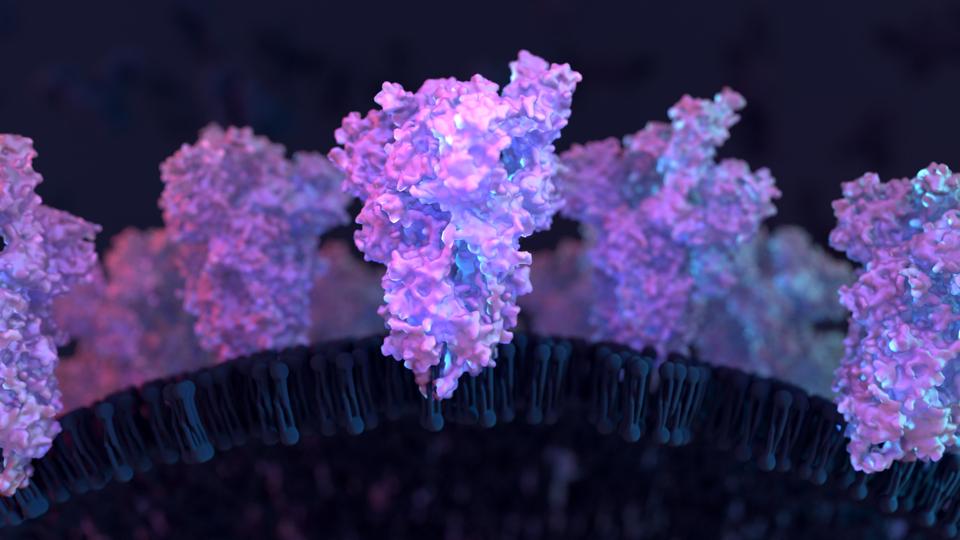
Spike protein of SARS-CoV-2
The
new variants that were detected in geographies far from one another,
such as Brazil, South Africa and Britain mutated spontaneously within a
short time-frame late last year, where all three share some similar
mutations located in the vital 'spike' region of the virus, enabling it
to enter and infect human cells. The E484k mutation, that some
scientists familiarly named "EEk" for its capacity to evade natural
immunity from previous COVID-19 infections while reducing protection
offered by current vaccines, which is designed to target the spike
protein, is included.
Similar
mutations independent of one another have been appearing in various
parts of the globe, indicating that the coronavirus is in the process of
undergoing "convergent evolution", according to a number of scientists Reuters
has interviewed. With expectations that the coronavirus will continue
to mutate, immunologists and virologists now suspect that the
coronavirus may be exhausting the fixed number of moves its evolutionary
cycle allows.
If
such is actually the case, the long-term impact for its survival
remains to be seen, based on whether a limit exists on the number of
possible mutations it can attain to, making it less dangerous. "It
is plausible that this virus has a relatively limited number of
antibody escape mutations it can make before it has played all of its
cards, so to speak", explained Shane Crotty, a virologist at the La Jolla Institute for Immunology, San Diego.
That
being the case, drugmakers could be enabled to remain current with the
virus, developing booster vaccines meant to target current variants
directly, even as governments struggle to control a pandemic that has
succeeded in killing close to three million people globally. Experts
have been mulling over the theory that the virus could be imbued with a
limited number of mutations since early February, and it has gathered
momentum since a paper was published showing the spontaneous appearance
of seven variants in the United States alone, all appearing in the same
region of the spike protein.
The
very process of different species independently evolving like traits to
improve survival odds represents the core of evolutionary biology. The
current pandemic represents an evolutionary process scientists have been
able to study in real time through the vast scope of its impact, with
127.3 million global infections. No pathogen in history has ever evolved
within a comparable global scrutiny as has SARS=CoV-2.
This
coronavirus in particular is not held by scientists to be particularly
'clever'. It is programmed by nature to replicate itself every time it
infects people. Each copy the virus produces can be flawed in its
exactness to the original. Some of these inexact copies may be one-time
occurrences, while those that render a survival advantage to the
coronavirus have a tendency to persist. And before compromising its
fitness or changing so much it is no longer the same virus, leads some
specialists to believe the virus may have a limited number of mutations
available to it.
"I don't think it's going to reinvent itself with extra teeth", Ian Jones, a professor of virology at University of Reading in Britain, added. "If it had an unlimited number of tricks ... we would see an unlimited number of mutants, but we don't", observed Michael Nussenzweig, immunologist at Rockefeller University in New York.
However,
predicting how a virus will mutate is challenging. Should there be
limits on how the coronavirus could evolve, matters would certainly be
simplified for vaccine developers. As an example Novavax Inc. is in the
process of adapting its vaccine specifically to target the South Africa
variant which appeared to render current vaccines less effective, in
laboratory tests. According to chief executive Stan Erck, the virus is
capable of so much change only yet still binds to human hosts. The hope
is that the vaccine would "cover the vast majority of strains that are circulating".
Data-sharing
platforms like the Global Initiative on Sharing Avian Flu Data is
enabling researchers to track the variants through its huge trove of
coronavirus genomes. Recently, scientists identified seven U.S.
coronavirus variants with mutations occurring in the same location in a
critical portion of the virus representing additional evidence of
convergent evolution.
Experiments
exposing the virus to antibodies in an effort to force it to mutate are
being carried out by other teams of researchers. The same mutation in
many cases appeared as a result, including the infamous E484K. Helping
to raise cautious optimism that mutations appear to share many of the
same traits, even as tracking changes in the virus must continue to
choke off its ability to mutate by reducing transmission through
vaccinations and other measures taken to limiting the virus's spread.
Scientists
at Duke University sequenced positive coronavirus tests to identify
which strains are circulating in the community, on Feb. 3.Credit...Pete Kiehart for The New York Times
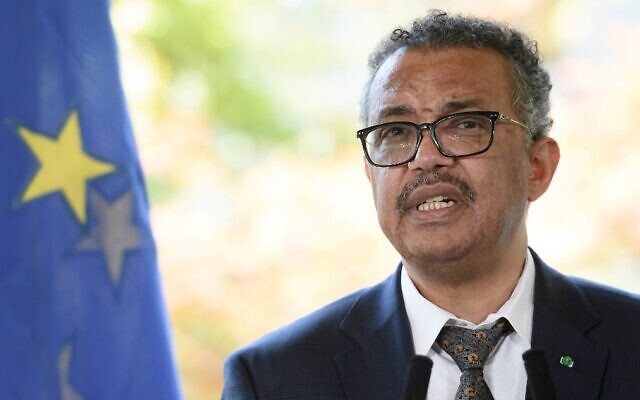
"Although the team has concluded that a laboratory leak is the least
likely hypothesis, this requires further investigation, potentially with
additional missions involving specialist experts, which I am ready to
deploy."
"[The international expert team had] expressed the difficulties they encountered in accessing raw data [while in China]."
"[The report also] raises further questions that will need to be addressed by further studies."
"I expect future collaborative studies to include more timely and comprehensive data sharing."
Tedros Adhanom Ghebreyesus, Director-General, World Health Organization
Members of the World Health Organization (WHO) team investigating the
origins of the novel coronavirus arrive by car at the Wuhan Institute of
Virology in Wuhan, in China’s central Hubei province on February 3,
2021. (Hector Retamal/AFP)
"I still think the most likely etiology of this pathogen in Wuhan was from a laboratory escape."
"Other people don't believe that, that's fine, science will eventually figure it out."
Robert Redfield, virologist, former head, Centres for Disease Control
"[The Institute saw] no disruptions or incidents."
"[A formal audit of the laboratory was] far beyond what our team is mandated to do or has the tools and capabilities to do."
"The
fact that we assessed this hypothesis [that the SARS-CoV-2 virus
escaped from the Wuhan Institute of Virology lab] as extremely unlikely
doesn't mean it's ruled out."
Peter Ben Embarek, WHO investigative team
"We were allowed to ask whatever questions we wanted, and we got
answers. The only evidence that people have for a lab leak is that
there is a lab in Wuhan."
"A
thousand samples [of animals sold at the Huanan market when the WHO
investigative team took samples from 188 animals of 18 species at the
market, all of which tested negative] is a great start, but there’s more
to do."
WHO team member Peter Daszak
Animal markets like this one in China could be a source of the COVID-19 pandemic, according to the WHO report. Credit: Eric Lafforgue/Art In All Of Us/Corbis via Getty
The
World Health Organization's investigative team of ten travelled to
Wuhan, China for the express purpose of conducting an unbiased,
scientific survey of any available evidence in an attempt to determine
the source of the SARS-CoV-2 virus that swept the world when it first
surfaced as a strange new pneumonia-like pathogen deadlier and more
infectious than most viruses that erupt from time to time in the East
and spread eventually worldwide. The WHO team had plenty of local
assistance in their diligent search for answers during their two-week
stay.
There
were quite a few interviews and on-site examinations, bearing in mind
that the team had to first isolate on arriving in China before they
could proceed. With them throughout their investigative exercise was a
matching team of Chinese scientists to give them aid and direction, some
17 in number. The People's Republic of China was deeply and sincerely
invested in the search for the origins of the novel coornavirus, making
certain that at all times the WHO researchers were escorted by Chinese
officialdom.
WHO
microbiologists and medical researchers fully intended to do a thorough
and creditable job of searching for answers while conducting interviews
under constant supervision in the presence of government officials.
Needless to say every individual who was questioned to gain a wider and
more full understanding of what had occurred would have been under a
certain level of constraint, testifying under the fixed scrutiny of
government agents. In their minds no doubt, the fate of Li Wenliang
accused of 'spreading harmful rumours' when he first alerted his
colleagues to the presence of a threatening new virus. Before he himself
died of COVID.
"It's
essentially a highly-chaperoned, highly-curated study tour ... this
group of experts only saw what the Chinese government wanted them to
see", explained Jamie Metzl, former senior adviser to
then-U.S.President Bill Clinton. What is known is simply that a novel
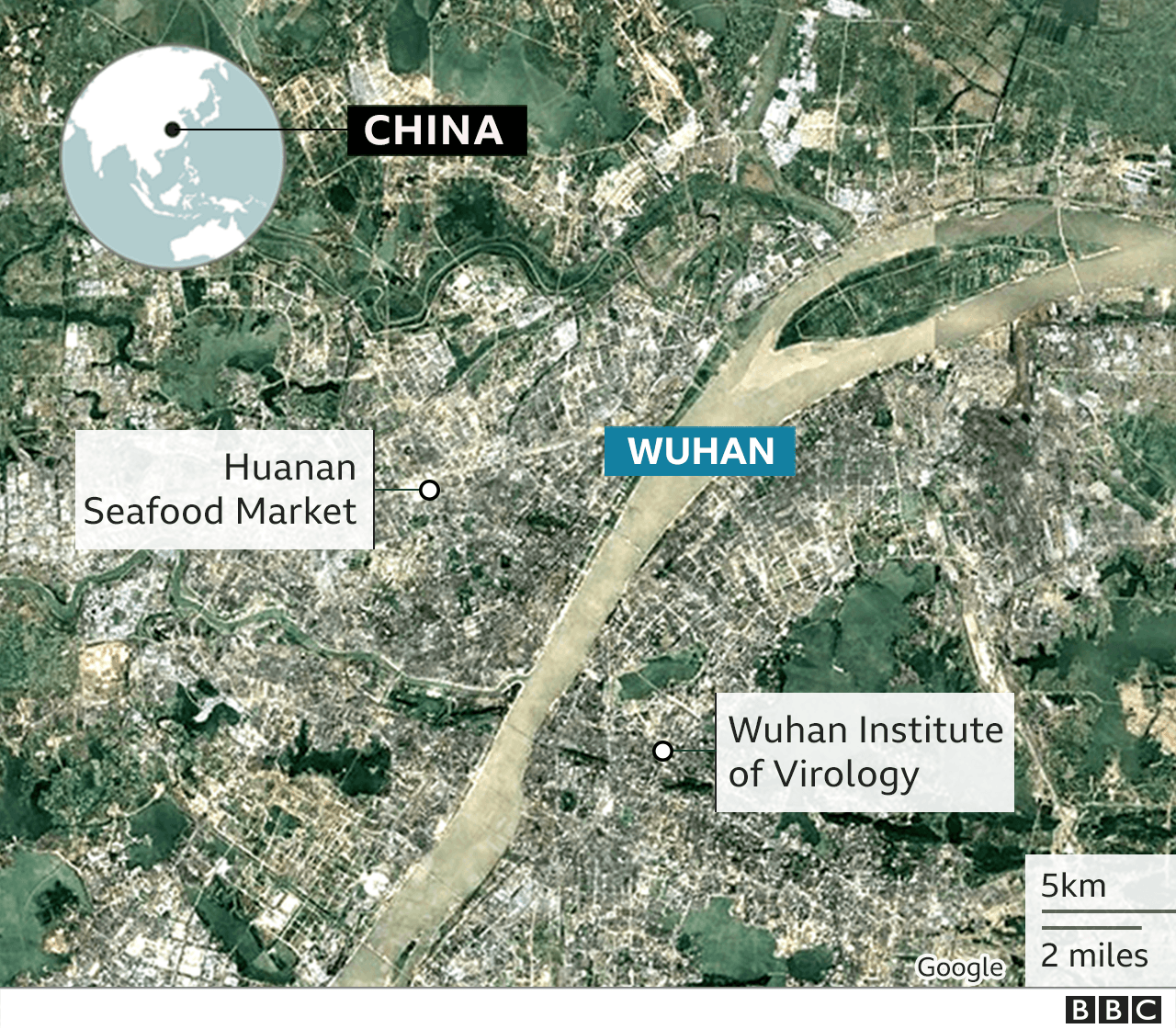
coronavirus erupted from some source within walking distance of the
high-security laboratory under the aegis of the Wuhan Institute of
Virology specializing in the study of coronaviruses. It is also known
that the laboratory is located not far from the wild animal 'wet' market
where both domestic animals and exotic animals were sold, dead and
alive.
And
it was the market that Chinese authorities pointed to as the
unfortunate source of cross-species, animal-to-human viral vector. These
wet markets exist throughout Asia where an insatiable appetite for
exotic animals like bats, snakes, pangolins and many other creatures can
be satisfied. Crossing the species barrier for pathogens is rare, but
it does happen. It did with AIDS and we know what agony that led to
throughout the world.
"We could show the virus was circulating in the market as early as
December 2019."
"A
lot of good leads were suggested in this report, and we anticipate that
many, if not all of them, will be followed through because we owe it to
the world to understand what happened, why and how to prevent it from
happening again."
Peter Ben Embarek, co-leader, WHO investigative team
Long
before the novel coronavirus was identified, the Wuhan Institute of
Virology had come in for lax safety regulation criticism when a U.S.
team of scientists had visited the premises and felt alarm at the
situation prevailing there. That very same laboratory is involved in a
security breach that took place in Canada's own National Microbiology
Laboratory in Winnipeg when a high-profile Chinese scientist and her
husband, both employed there, were escorted from the lab never to
return. Involved in an unauthorized transfer of highly sensitive
biological samples from there to the Wuhan lab.
The
team of WHO investigators appear to have reached the conclusion through
a joint report that a lab escape of the coronavirus was to be regarded
as "extremely unlikely"
following a brief examination of the Wuhan Institute of Virology. Four
hours were spent at the facility by the WHO team, the investigation
limited to interviews with laboratory staffers where the investigators
were informed that no disruptions or incidents occurred, and nor did the
WHO investigators request collaborative documentation.
The
Beijing government appears to have withheld case data from outside
investigators, the WHO team no exception. China, it would appear,
deigned not to honour a request to turn over 174 health records from the
first patients in Wuhan to contract COVID-19: "They
showed us a couple of examples, but that's not the same as doing all of
them, which is standard epidemiological investigation", explained Dominic Dwyer of the WHO team.
What
the WHO team reported was that 92 cases of Wuhan patients exhibiting
COVID-like symptoms were documented in October of 2019, quite a few
weeks before the officially recognized first cases were reported by the
Chinese government. The investigators were given Chinese assurances that
serological tests indicated no link to COVID-19.
. Assured him that India would do its best to facilitate supplies of COVID vaccines sought by Canada. We also agreed to continue collaborating on other important issues like Climate Change and the global economic recovery.
The Serum Institute in India is the world's largest producer of vaccines, located in Pune, Western India. It has a contract with AstraZeneca to supply its COVID-19 vaccines for global distribution, along with supplying its own massive population with the vaccines. AstraZeneca's vaccine has not yet been approved by Health Canada, but the situation in Canada of decreasing numbers of vaccine doses being received has halted its initiative to inoculate its most vulnerable populations before embarking on a general vaccination of the entire population.
"I can highlight that India has been a great partner in
fighting COVID, whether it's helping us with delivery of other
pharmaceuticals or whether it's working together on potential vaccines."
"We're going to
continue to build on the strong relationship between Canada and India
and ensure that we're looking out for our citizens, while at the same
time we're looking to recover the global economy and create
opportunities for everyone."
Prime Minister Justin Trudeau
Left: Indian Prime Minister Narendra Modi. Right: Prime Minister Justin Trudeau. (Amir Cohen, Blair Gable/Reuters)
At the rate of vaccination that Canada currently occupies, it is in about 38th place worldwide, behind Singapore, Turkey, Croatia, Austria, Czech Republic, France, Cyprus, Sweden, Belgium, Portugal, Hungary, Germany, Finland, Greece, Norway, Estonia, Slovakia, Italy, Lithuania, Poland, Slovenia, Spain, Switzerland, Ireland, Iceland, Romania, Maldives, Denmark, Chile, Serbia, Malta, U.S., Bahrain, U.K., UAE, Seychelles, and of course, number one, Israel.
Those over 80 in Canada will likely not be vaccinated until April. Seniors and the health-impaired and their caregivers in long-term care facilities were scheduled to be the first, along with frontline health-care workers, to receive the vaccine doses received from Moderna and Pfizer/BioNTech, and while the undertaking had begun, Canada was advised by both pharmaceutical companies that there would be delays in providing the entire anticipated tranches as scheduled. A setback which has idled the vaccination enterprise.
Canada turned to the UN-inspired COVAX program, meant to provide under-developed and poor nations with vaccines. Not a good look. A wealthy country like Canada which has, albeit tardily, pre-ordered tens of millions of doses of COVID vaccine from a variety of producers, even while it has back-of-the-line status because it took so long to begin its ordering. A wait that occurred as a result of making an ill-fated agreement with CanSino to co-develop a vaccine which Beijing ultimately refused export to Canada.
Leaving a desperate government of Canada, to look elsewhere, anywhere, for vaccines in a world becoming increasingly nation-specific-vaccine-aggressive. Where producing countries are looking, for obvious reasons, to ensure that their own populations are inoculated before allowing vaccines to be shipped elsewhere. In the precarious situation Canada finds itself in, the current government sees its vote-potential for a near election plummeting.
Motivating the government to frantically call upon vaccine manufacturers to come to its aid. India is investing its energy in supplying have-not nations, and along comes Canada to ask for special dispensation. India, a country with which Canada had good relations, but between them now diplomacy has taken a hit. Prime Minister Modi strikes a delicate balance between suspicion of a Canadian prime minister who has quite a few Sikhs in his party and in his Cabinet suspected of sympathy for an independent Sikh homeland, Khalistan, and maintaining friendly relations with Canada.
Moreover, this is a Canadian prime minister who has not hesitated to embarrass his Indian counterpart by commenting critically on interior government matters in India, aside from the fact of an embarrassing state visit a few years back when Justin Trudeau made an absolute ass of himself, as an embarrassment both to Canada and to India; with a lack of diplomatic prudence in bringing along an avowed Khalistani sympathizer and supporter of Mr. Trudeau's Liberal party.
So far, 3.06 Canadians per 100 people have been vaccinated. The Trudeau government insists that by September all Canadians wishing to be inoculated, will be. A promise that looks highly unlikely to be fulfilled. Most Canadians, keeping abreast of conditions and the lack of vaccine shipments now anticipate that full inoculation will only take place by halfway through 2022, leaving Canada far, far behind its wealthy-nation counterparts. A hugely disappointing performance.
"It was totally overwhelming. November was the worst. We could only accommodate the number of patients we could discharge."
"We were managing very, very sick patients in the ward, as there was no room in the ICU."
"To our relief and surprise, the number of cases have started to come down drastically."
"If
the situation continues like this for a month, we can say we have
achieved sustained low numbers because of immunity and vaccination."
"But we have to keep our fingers crossed. These good times may not continue forever."
Dr.Sushila Kataria, Medanta hospital, New Delhi
A mural in New Delhi is part of public health messaging
in India. The country has seen a dramatic decline in new cases since the
fall, but researchers aren't sure why. Sanchit Khanna/Hindustan Times via Getty Images
"What
we seem to have done is let the virus run its course. By not flattening
the curve in the beginning, India went through the herd immunity
threshold and the epidemic seems to be naturally coming down."
"We will never know how many people died -- no one is counting."
Jacob John, virologist, retired professor, Christian Medical College, Vellore, Tamil Nadu state
"I
am hopeful the worst is over. In certain areas, like large cities, we
may have come close to achieving a good amount of immunity -- if not
herd immunity, close to it."
"The
estimates are that 30 to 50 percent of individuals may have had
asymptomatic or mild infections and not gotten tested. Many who had
developed mild symptoms may have had COVID-19 without realizing it."
Dr.Randeep Guleria, director, All India Institute of Medical Sciences
"We are seeing a lot less severe disease than the rest of t he world, and a lot more asymptomatic infections."
"Part
of the reason might be prior exposure to lots of other pathogens. We
live in an environment where we are exposed to all kinds of pathogens
all the time and we learn not to react too much."
"It
looks like the virus has really spread widely in the country. Maybe the
reason the numbers are crashing is that most people have been infected
and infection gives you at least 80 percent protection for months at a
time."
"If you look at the places that did well with control early on, they are the ones [that] have a high level of infection now."
"And if a variant comes along that escapes immune responses, then everyone is in play again."
Gagandeep Kang, microbiologist
India has recorded some 10.7 million Covid-19 infections so far Reuters
Exhausted
doctors in New Deli whose non-stop reaction to the COVID pandemic left
them overworked, isolated for fear they would transmit a virus to their
families, and anxious to see the end of the nightmare of the SARS-CoV-2
viral epidemic are incredulous but thankful to recognize that daily new
infections in India's capital have seen a sharp drop in recent weeks.
This is a trend that has extended well beyond New Delhi where India's
new confirmed coronavirus infections nationally have fallen suddenly
from a peak of close to 100,000 new infections daily in September to an
average of 13,000 to 14,000 each day at the present time.
Health
surveys reveal that much higher public exposure to the virus than was
previously understood to have occurred was the reality. While many other
countries all with infinitely smaller populations are struggling
through second and third waves and recognizing the emergence of
troubling new variants of the coronavirus, India's precipitous drop in
infections seems to indicate that their version of the pandemic is well
on its way to burning out in India.
Speculation
has led to the conclusion that this is the result of the nation's
crowded cities and that the level of communication of the virus has led
to natural "herd immunity" having arisen even before vaccines have been
widely used in mass inoculations. The most reasonable hypothesis to the
surprise drop in infections is seen to focus on the virus spread losing
steam, a situation leading to cautious optimism that the pandemic's
shadow is slinking off, allowing the country to begin repair of its
collapsed economy resulting from a strict lockdown, restrictions and
public fear.
The
Reserve Bank of India recently issued a bulletin alerting to the
"increasing probability" of a stronger-than-anticipated economic rebound
in lock step with COVID receding.
"Barring the visitation of a second wave, the worst is behind us. The
recovery is getting stronger in its traction, and soon the winter of our
discontent will be made glorious summer", the bulletin poetically crowed.
Back
in March when India began reeling under the certainty that the first
few hundred coronavirus infections would soon balloon out to hundreds of
thousands, a draconian nationwide lockdown was imposed by Prime
Minister Narendra Modi, for which he apologized as a necessity to avert
complete disaster. The purpose, he explained, was to break the chain of
viral transmission. Public transport was suspended for months, people
could only buy food, medicine and cleaning products while India's
economy contracted 24 percent year on year.
In
a country where millions live in tight proximity sharing community
toilets and water taps in congested slums, lockdown failed to accomplish
its purpose. The pathogen spread from the cities into the hinterlands
carried by laid-off migrant workers who returned to their far-off
villages. Over 10.7 million confirmed coronavirus infections were
reported in all of India, the second-highest number following that of
the U.S. Even so, experts feel the real case total to be much higher;
most infections not recognized nor recorded.
Photo: PTI
"The
reported cases are not even remotely a reflection of true cases -- they
only reflect people who got tested. For reasons that we don't fully
know, the virus has spread like wildfire in India -- more than in any
other country in the world", stated Vikram Patel,
professor of global health at Harvard Medical School. Over half of
residents in cities like Delhi, Mumbai and Pune have been exposed to the
virus according to seroprevalence studies. An estimate of 31 million
infections by mid-August in Karnataka state, included 44 percent of the
rural population and 54 percent of the urban population.
Over
154,000 COVID-19 deaths were reported in India, but the actual death
count may never be known, since most Indians tend to die at home without
a cause of death ever formally determined. Some researchers, despite
that reality, feel that India's COVID mortality rate has in all
probability not been as high as many other regions given the relative
youth of the country's population with just 6.5 percent over 65 years of
age in comparison to Europe's one-fifth.
Health
economist Rijo John, based in Kerala, feels the virus strain that has
swept through India is a less virulent one than has inundated
populations elsewhere. "It's pretty generally accepted that in India, we have a very mild form of the virus. But the future is hard to predict."
For the meanwhile, however, India's pandemic appears to be in steep
decline.Most of the country's 270 million schoolchildren have been out
of class since March. White-collar professionals work from home and have
done so for almost a year, with most elderly people remaining
exclusively at home, susceptible to infection.
An
ambitious vaccination campaign has been launched by the government with
an aim to inoculate 300 million Indians by August's end. A number that
includes health-care workers and the elderly. Roughly 3 million people
have been vaccinated once the drive began two weeks earlier indicating
that reaching the total of 300 million will probably become a slow,
protracted process.
"A lot of this is in the rear-view mirror but that doesn't mean we are done and dusted yet."
"We
have an artificial situation in which we've reached an equilibrium, but
if we went back to normal, there is still a lot of room for cases going
up."
Ramanan Laxminarayan, director, Center for Disease Dynamics, Economics & Policy
Cumulative severity of COVID-19 and proportionate mortality from top causes (percent) Source: Johns Hopkins University; World Health Organization.
"Very important site visits today -- a wholesale market first &
Huanan Seafood Market just now."
"Very informative & critical for our joint teams to understand the
epidemiology of COVID as it started to spread at the end of 2019."
Peter Daszak, zoologist with U.S.
group EcoHealth Alliance, member of WHO team
"The
government's first priority is to protect the people's health and
safety, but it failed to inform the public as soon as the coronavirus
outbreak happened."
"My father, a very patriotic soldier, had devoted his youth to the nation … but he was killed by COVID-19 in his later life."
"The epidemic would never happen if the government had truly put the people's interest [as their] first priority."
"[He wouldn't trust visits organized and limited by the
Chinese government, and thought the information patients gave could be] highly suspicious."
"They could have been trained many months ago, and been ordered to stage and repeat the government's narrative."
"I am highly concerned that the WHO experts in Wuhan are not a match for these counterfeiters."
Zhang Hai, 51, Wuhan resident
The WHO team visits an exhibition about the Government's successful response to contain the coronavirus in Wuhan on Saturday. (AP: Ng Han Guan)
"[I had] police interviews, cameras pointing at home,
and dismissal from work. They pressured my families, stalked my
activities, which is completely unscrupulous."
"[I
am told] don't contact the foreign media, because it will be used by
anti-China forces, which is detrimental to our country."
"I just want everyone to know that the government is a murderer for hiding the epidemic."
Parent who lost an only child
Government
propaganda for the Chinese Communist Party officially denies it was in
any way irresponsible over its handling of the SARS-CoV-2 virus that
causes COVID-19, over charges that it waited too long to warn the
international community and the World Health Organization of its
discovery of a strange new pneumonia-like illness that was plaguing
people in Wuhan City. Its assurance when it did alert the WHO that
person-to-person transmission was unlikely was inaccurate and harmful to
the world's understanding of what was unfolding.
Not only does
Beijing deny that it acted in anything but a responsible manner, but it
also denies that the virus itself first emerged in Hubei Province,
northern China. Rather, the propaganda slyly insists it emerged
elsewhere, abroad, and was imported to China. That happened in one of
two ways, they claim; either through infected frozen meat exported by a
European country into China, or it was deliberately brought to China by
U.S. agents.
Beijing's inexcusable attempts to hide the presence
of a new, highly contagious and lethal-to-the-elderly virus, its
silencing of physicians in Wuhan hospitals who raised the alarm,
threatening them and accusing them of spreading 'false news', also did
not happen, but represents a malicious attempt on the part of the West
to smear China. Casually speaking of the virus as the 'Wuhan virus', or
the 'Chinese virus' sends Beijing into paroxysms of fury, but not a word
is murmured by the WHO about racism when the media speak of the new
'U.K.' mutation', or the 'South African' variant.
Beijing screamed
bloody murder and called it racism when other countries began to close
their borders to China, and the World Health Organization chastised
those that did, wagging a finger of racism at them as well. Yet once
China succeeded during the first wave of the coronavirus to achieve a
measure of control, it closed its borders to entry from abroad, where
Italy and Spain in particular were experiencing a crisis in runawayCOVID infection rates overwhelming their health care systems.
A security person moves journalists away from the Wuhan Institute of
Virology after a World Health Organization team arrived for a field
visit in Wuhan in China's Hubei province on Wednesday, Feb. 3, 2021. The
WHO team is investigating the origins of the coronavirus pandemic has
visited two disease control centers in the province. (AP Photo/Ng Han
Guan)
American
authorities and some U.S. bioscientists raised the possibility that the
virus was an escapee of a biohazard laboratory located not far from the
Wuhan live meat market which sold pangolin, wolf cubs, bats, snakes and
other live animals for slaughter for the human palate and where the
presence of the SARS-CoV-2 virus was first said to have emerged. To this
day there is no consensus of opinion over that hypothesis; eminent
scientists declare it to be hugely unlikely while others retain
suspicion.
China delayed the entry of
the WHO team of investigators to Wuhan City although it had initially
agreed that it would cooperate with their mission to study the breakout
of the virus that had crossed the species barrier from wild animals to
human victims, not an entirely rare occurrence and invariably difficult
to control. But after delays and controversy, the team, having undergone
a 14-day mandatory isolation period on arrival in China, is now into
its third day of a two-week investigation.
"The
team plans to visit hospitals, laboratories and markets. Field visits
will include the Wuhan Institute of Virology, Huanan market, Wuhan CDC
[Center for Disease Control and Prevention] laboratory."
"All
hypotheses are on the table as the team follows the science in their
work. They should receive the support, access and the data they need."
World Health Organization statement
"It
is now that the actual field work can begin, and it is my expectation
that for this part of the mission we will have unhindered access to the
requested destinations and individuals."
"But
it is important to remember that the success of this mission and
origin-tracing is 100 percent depending on access to the relevant
sources."
"No
matter how competent we are, how hard we work and how many stones we
try to turn, this can only be possible with the support from China."
Thea Fischer, Danish team member
China's
foreign ministry for its part said the WHO team is scheduled to
participate in seminars, visits and field trips, and it is no doubt
hoping that it can de-politicize the assumptions some of the WHO members
come equipped with, while carrying on its own politicization of a topic
so overwhelmingly pervasive throughout the world and so deadly that
millions of lives globally have been lost to the viral predator.
Beijing, by setting its own program for the visit before the
investigators, likely seeks to diminish the time allotted for the WHO
members' own agenda while consuming that time in 'meetings'.
Beijing
has also made it abundantly clear that it has complete control over
where the WHO team will be escorted, always in the presence of handlers.
And the many Chinese who are intent on being interviewed by the WHO
team while Chinese authorities harass and threaten their outspokenness,
is simply yet another facet of a lost cause; try as they sincerely will,
with the obstacles placed in their path to fulfilling their mission, it
is highly unlikely the WHO will come away with anything but Beijing's
approved narrative.
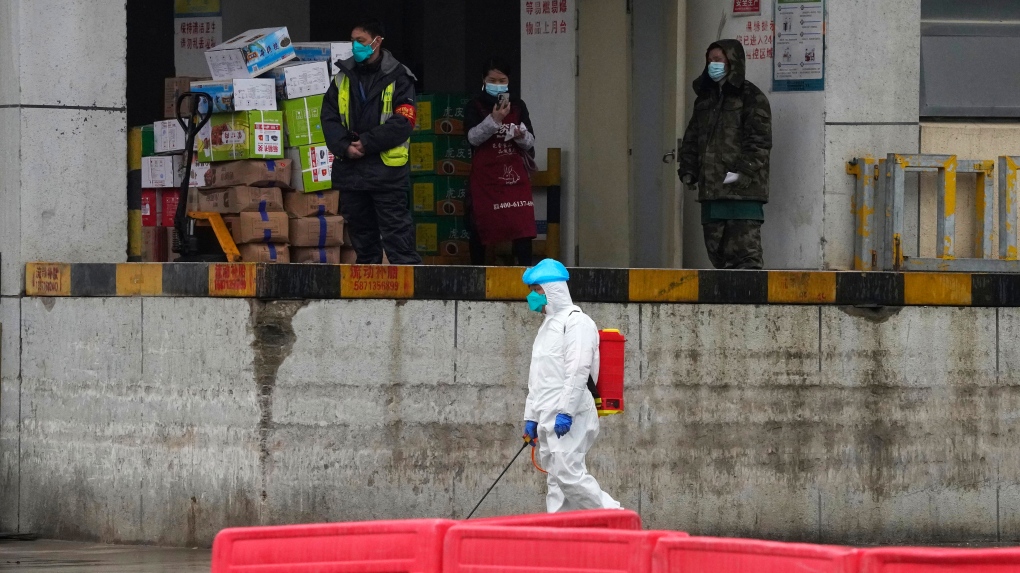
A worker in protective overall passes by a warehouse at the Baishazhou
wholesale market during a visit by the World Health Organization on the
third day of field visit in Wuhan in central China's Hubei province on
Sunday, Jan. 31, 2021. (AP Photo/Ng Han Guan)
This represents a general opinion site for its author. It also offers a space for the author to record her experiences and perceptions,both personal and public. This is rendered obvious by the content contained in the blog, but the space is here inviting me to write. And so I do.