Tuesday, July 20, 2021

Offending Beijing -- Searching for COVID Answers

"[A Phase Two probe would require] audits of relevant laboratories and research institutions operating in the area of the initial human cases identified in December 2019."
"Finding the origins of this virus is a scientific exercise that must be kept free from politics. For that to happen, we expect China to support this next phase of the scientific process by sharing all relevant data in a spirit of transparency."
"We ask China to be transparent and open and to co-operate."
"We owe it to the millions who suffered and the millions who died, to know what happened."
"[It was] premature to discount the lab theory [As the first WHO probe concluded it to be unlikely.] As you know, I was a lab technician myself, an immunologist, and have worked in the lab. And lab accidents happen. It’s common."
"[A new WHO International Scientific Advisory Group for Origins of Novel Pathogens (SAGO)]will play a vital role in the next phase of studies into the origins of SARS-CoV-2, as well as the origins of future new pathogens."
"[There is a need for more] studies of animal markets in and around Wuhan, including continuing studies on animals sold at the Huanan wholesale market."
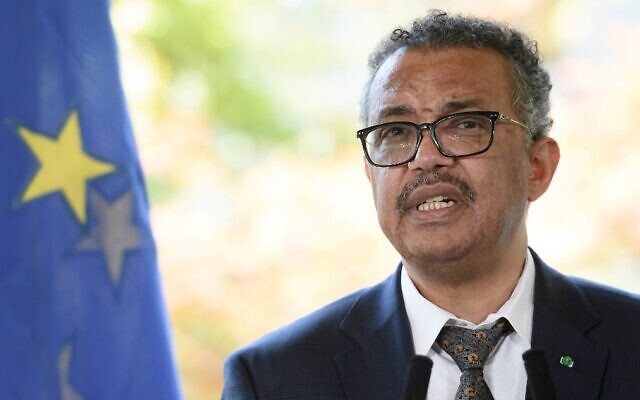
WHO Director-General Tedros Adhanom Ghebreyesus

World Health Organization Director-General Tedros Adhanom Ghebreyesus wants China to allow a biosecurity audit of some of its virology labs. Jean-Christophe Bott/Keystone vía AP

"It’s a sign that the WHO might be able to do [a] more credible or balanced investigation."
"Right now, the lack of clarity is in China’s interest."
Alina Chan, a gene therapy researcher at the Broad Institute
 
"I’m worried about delays and of course it’s a bit strange. We’re losing valuable time."
"[While it's] logical [to push for lab audits the demand right now could backfire.] It’s not going to be popular with China, so I’m a little bit worried that that will shut the doors to the rest of the studies that we feel are needed."
Marion Koopmans, virologist, veterinarian, Erasmus University Medical Center
china wet market 2017
Customers select seafood at a wet market in Dandong, Liaoning province, China 
Philip Wen/Reuters

In the early stages of the pandemic WHO Director-General Adhonom Ghebreyesus faced scathing criticism over a number of judgemental lapses; the decision to take Beijing's word for its claim that it took awhile to recognize the appearance of a new virus and its harsh impact, the acceptance of Beijing's assurance it was not communicable, and the lapse of time before the 'Wuhan virus' was declared a pandemic, thus failing to alert the world community in a timely enough manner to a fast-moving viral juggernaut that was soon to upend normalcy everywhere.

Since then, the WHO head appears to have made a reversal. He is not viewed more latterly as being quite as comfortable with China and its assurances as he was back then. And he is under great pressure from some countries -- Australia certainly comes to mind, in its strenuous insistence from the beginning that an investigation into the origins of the SARS-CoV-2 virus was badly needed, if for no other very good reason that would inform scientists of its origins, trajectory and how better the world might respond in future to new such viruses as they appear.

The real pressure, however, comes from the WHO's greatest financial supporter, the United States. Former President Donald Trump had little use for the institution and threatened to halt its funding, and his successor Joe Biden has continued to apply pressure on the World Health Organization for a far more in-depth investigation into the origins of COVID-19, which has taken such a dreadful world toll on the lives of millions of people who succumbed to its lethal complications, much less those living with a wide spectrum of COVID-induced symptoms.

It should have come as no surprise to anyone -- much less Beijing -- that another proposal for a second phase of studies into the origins of the coronavirus would be recommended by the World Health Organization. Suggesting audits of laboratories and markets in Wuhan, requiring greater cooperation and transparency in the process from China. The plan was presented to member states hard on the heels of a declaration that investigations were being held up by the lack of raw data reflecting the initial period of COVID-19's spread in China.

A commitment to Phase Two would encompass studies of humans, wildlife and animal markets in the city of Wuhan and certainly inclusive of the Huanan wholesale animal market where the virus was first thought to have emanated. China which has always been resistant to any deep scrutiny of the virus linked to Wuhan, has no obvious wish to be cooperative in a new study which promises to delve deeper than the previous one did, where researchers submitted to official Chinese scrutiny and oversight and the resulting paucity of requested data and documentation, much less exposure to critical sites for review.

In view of the fact that some scientists have raised their doubts over China's explanations, including its suggestion that the virus emanated from outside China; one theory that U.S. military brought it with them, another that it was imported into China with frozen food; and that the United States is adamantly pushing for a deeper investigation, the WHO has little option but to proceed. The U.S. along with many scientists demand a further investigation, and with particular attention into the Wuhan Institute of Virology which at the time of the virus emergence had been conducting research into virus vectors, bats.

Beijing maintains that the theory the virus could be connected to the Wuhan laboratory is beyond remote -- "absurd", repeatedly claiming that "politicizing" the issue would only serve to hamper any investigation. Any decision on continuing the probe "should be reached by all members through consultation", responded Chinese Foreign Ministry spokesman Zhao Lijian. As in, perhaps, China, as a member of the UN Security Council having the capability of scuppering international investigations of any kind by veto. 

china wet market
A Chinese produce market.
Felix Wong/South China Morning Post/Getty

"[I wish Tedros had owned up to past WHO] missteps. I don’t think he can simply just take the next step and not worry about what’s happened so far."
"I’m very suspicious about dismissing the initial task force and now allowing individuals and governments to nominate themselves, which will result in a partisan, selective process and not lead to the best composition." 
"They’re not a truly independent body [World Health Organization]. They are the product of a very political world, and what makes their problem 100 times worse is that they don’t have the resources to operate independently."
David Relman, microbiome researcher, Stanford University
 
"The Chinese side noted the draft plan made by Tedros and the secretariat and the Chinese side is looking into it."
"Origin-tracing is a scientific matter. All parties should respect the opinion of the scientists and should refrain from politicizing origin-tracing."
Chinese Foreign Ministry spokesman Zhao Lijian

The Wuhan Institute of Virology building in Wuhan, China

The Wuhan Institute of Virology has carried out research on coronaviruses for years because these pathogens are endemic to the region where it's located.  Credit: Kyodo News via Getty


Labels: , , , , , ,

Thursday, June 03, 2021

Lest There Be Doubt

"The WHO [World Health Organization] asked us if we could share the biological material and if we could rerun the tests in an independent laboratory."
"We accepted."
"None of the studies published so far have ever questioned the geographical origin [of SARS-CoV-2]."
"The growing doubt is that the virus, probably less powerful compared to later months, was circulating in China long before the reported cases."
Giovanni Apolone, scientific director, Milan Cancer Institute
Study: Unexpected detection of SARS-CoV-2 antibodies in the prepandemic period in Italy. Image Credit: columbo.photog / Shutterstock
 
The World Health Organization requested of two scientists who had led Italian research into the first appearances of the novel coronavirus that samples from a study suggested the coronavirus was circulating outside China by October of 2019 undergo re-testing. This, in the face of discomfort at the WHO over growing international pressure to investigate more deeply the origins of the global pandemic that has succeeded in ending the lives of over three million people globally.

And nor is the WHO particularly enamoured of U.S.President Biden's announcement that American intelligence agencies were directed by him to pursue the issue of rival theories inclusive of the possibility that a laboratory 'escape' accident in China unleashed this killer virus on the world body. Their response was that the search for answers was being "poisoned by politics". Whereas it is more than likely that politicians and scientists want to understand what, who and why caused this pandemic to stalk the world.
 
Its predatory presence first identified in the Chinese megacity of Wuhan in December of 2019, Italy's first patient with COVID-19 was diagnosed on the 21st of February, 2020 in a small town close to Milan. Last year a published study revealed evidence that antibodies to the virus or a variant thereof was detected in 2019, in Italy. Information that Beijing gratefully grasped and ran with as proof-positive that the SARS-CoV-2 virus causing COVID emanated not from China, but Italy.
 
In response, the Italian researchers emphasized that the findings served to raise questions relating to when the virus first emerged, not where it emanated from. "WHO is in contact with the researchers that had published the original paper. A collaboration with partner laboratories has been set up for further testing", explained a spokesperson for the World Health Organization. WHO, the United Nations agency that has just elected Syria to its board.
 
The Syrian regime knows quite a bit about mass killing. Fit to sit on the world body's health board. After all, it is an impressive number, a half-million Syrians dying at the military hands of their own government, who used poison chemicals, barrel bombs and helicopter gunships to penalize its citizens who questioned the right of a tyrannical government to disorder their lives. 
 
The UN agency has made contact with all researchers who published or provided information on samples collected in 2019 that were known to have tested positive for SARS-CoV-2. And similarly the spokesperson mentioned that the WHO, aware the researchers plan to publish a follow-up report "in the near future" wants to keep ahead of results, interpretations and claims. 
 
Published by the INT's scientific magazine Tumori Journal, the Italian researchers' findings showed the presence of neutralizing antibodies to SARS-CoV-2 isolated in blood drawn from healthy volunteers in Italy in October 2019 during a lung cancer screening trial. Those volunteers came from Lombardy, which happens to be the northern region adjacent Milan -- the first and hardest hit in Italy, by the virus. 
 
Mass Vaccination Begins In Iseo, Brescia

There are no robust data on the real onset of severe acute respiratory syndrome coronavirus 2 (SARS-CoV-2) infection and spread in the prepandemic period worldwide. We investigated the presence of SARS-CoV-2 receptor-binding domain (RBD)–specific antibodies in blood samples of 959 asymptomatic individuals enrolled in a prospective lung cancer screening trial between September 2019 and March 2020 to track the date of onset, frequency, and temporal and geographic variations across the Italian regions. SARS-CoV-2 RBD-specific antibodies were detected in 111 of 959 (11.6%) individuals, starting from September 2019 (14%), with a cluster of positive cases (>30%) in the second week of February 2020 and the highest number (53.2%) in Lombardy. This study shows an unexpected very early circulation of SARS-CoV-2 among asymptomatic individuals in Italy several months before the first patient was identified, and clarifies the onset and spread of the coronavirus disease 2019 (COVID-19) pandemic. Finding SARS-CoV-2 antibodies in asymptomatic people before the COVID-19 outbreak in Italy may reshape the history of pandemic.


Labels: , , , , ,

Wednesday, June 02, 2021

Canada's Prime Minister's Unreciprocated Love Affair With China

"Threats, censorship and intimidation will continue as long as companies, not-for-profits academia, politicians, media and other institutions with vested interests are fearful of angering Beijing."
"Beijing is effectively exporting their authoritarianism overseas."
"Dissidents are not safe. Not at work, not in their homes, not in civil societies, and not in Canada."
"[There is a] persistent lack of knowledge and understanding of these networks of influence within Canadian institutions, politics and society [which permits Chinese infiltration to influence Canada to go under the radar]."
Cherie Wong, executive director, Alliance Canada Hong Kong 

"[China has also expanded its influence through academia, particularly in the area of research and development, often through] ludicrous funding opportunities that trap academics and researchers into long-term coercive relationships [funded by foreign actors]."
"Inadequate federal regulations [have allowed such partnerships to continue]."
"Beijing aims to influence the next generation of technologies to disrupt, dominate, and silence democratic nations, making it clear they do not intend to follow the international order or be a fair and transparent global partner."
Report, Alliance Canada Hong Kong
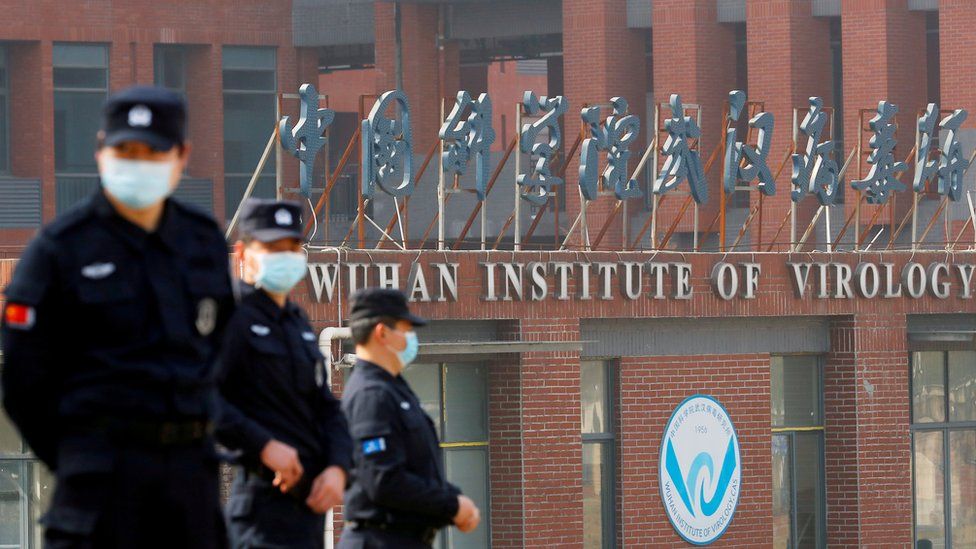
Security personnel keep watch outside the Wuhan Institute of Virology during the visit by the World Health Organization (WHO) team tasked with investigating the origins of COVID-19, in Wuhan, Hubei province, China on Feb. 3, 2021. (Thomas Peter/Reuters)
 
The most recent egregious Canada-China interaction has a sinister air of confidence, marked top secret in a country whose prime minister once infamously and naively stated his admiration for the Chinese Communist Party, able to 'turn on a dime'. Justin Trudeau recalls fondly when as a child he accompanied his father, then-Prime Minister Pierre Elliott Trudeau to China, opening Canada up to the CCP, just as he had taken the current prime minister Justin Trudeau in those long-ago days to Cuba to meet with 'Uncle Castro' for whom he long retained a fondness.

As prime minister, Justin Trudeau makes decisions that impact the entire country. As he did, when the novel coronavirus escaped China's borders to make deadly inroads globally, by making the decision that Canada would seek a vaccine in collaboration with a Chinese pharmaceutical company, CanSino, whose CEO and founder had attended a Canadian university and worked for a Canadian pharmaceutical enterprise before returning to China.

Prime Minister Trudeau in tandem with the National Research Council underwrote CanSino Biologics by providing it with Canadian intellectual property on which to base its vaccine for Ebola and SARS-CoV-2. Under the agreement reached with CanSino, Canadian technology would be used as a scaffold on which to build a successful COVID vaccine which was meant to be tested at Dalhousie University, with the NRC helping to produce it in Canada if successful. Beijing decided,  however, to block the vaccine from being shipped to Canada.

Leaving Canada in a vacuum of vaccine acquisition, since no contracts had been signed with reliable pharmaceutical companies capable of producing vaccines. Scrambling, in a late start to acquire vaccines, Canada was late in their use since it was back-of-the-line in contracting for doses to inoculate Canadians against the SARS-CoV-2 virus. But there is far, far more to the Canada-China 'collaboration'. A connection between Canada's National Microbiology Laboratory in Winnipeg, and the Wuhan Institute of Virology, both high-security labs involved in research with highly lethal pathogens.
 
The head scientist at Winnipeg's Vaccine Development and Antiviral Therapies section in the Special Pathogens Program lab was Xiangguo Qiu, a Chinese virologist. In July of 2019, she and her husband Keding Cheng, as well as several of her Chinese students were escorted out of the lab by the RCMP. No explanation was given while officials stated only that a procedural investigation was underway. There were rumours in circulation of unauthorized shipment of deadly viruses from the laboratory to China; otherwise known as purloined intellectual property.

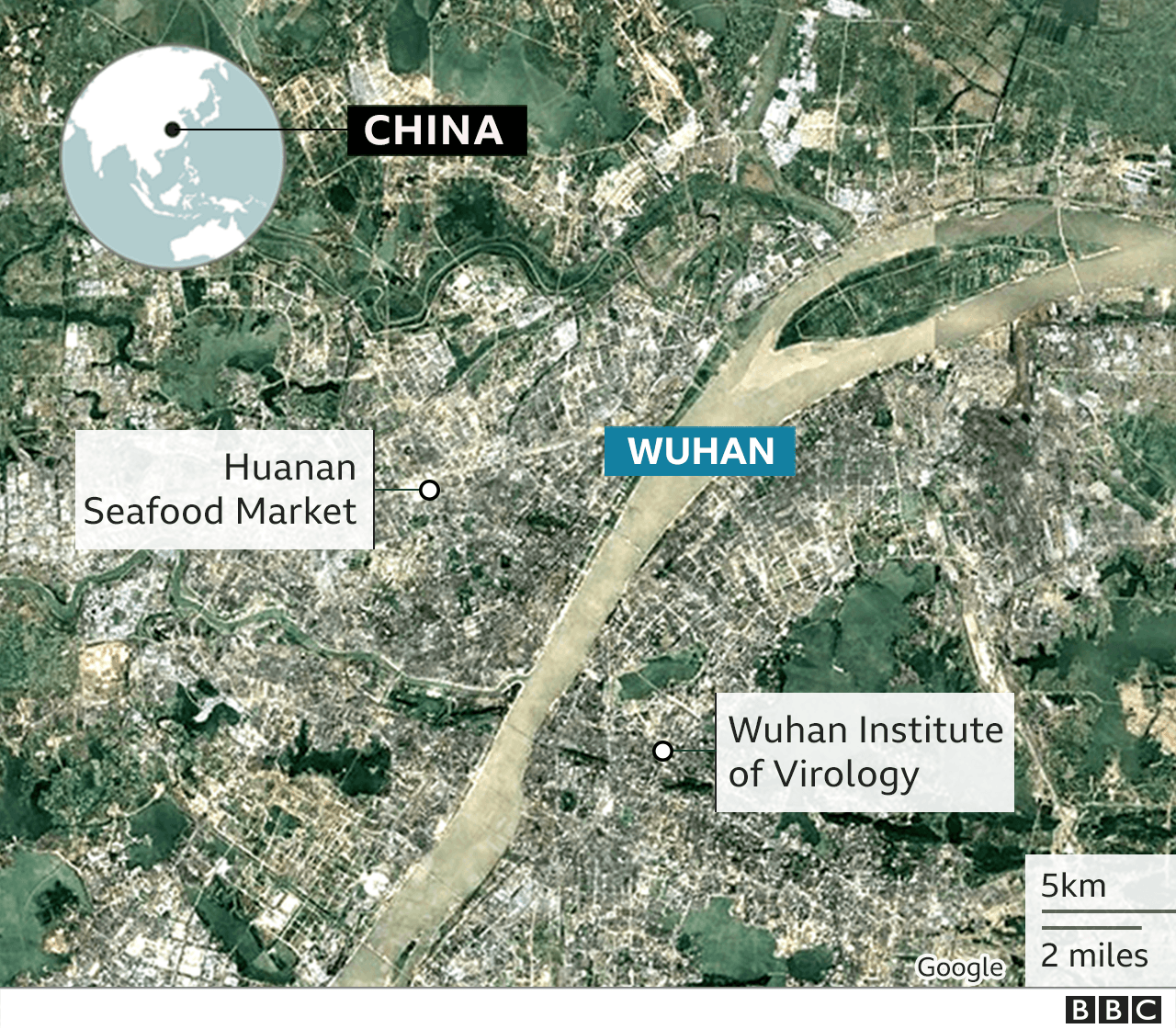
Map showing location of Wuhan Institute of Virology in Wuhan city
The two top scientists were eventually fired when the Canadian Security Intelligence Service called for revocation on national security grounds of their security clearance. Another Chinese scientist, Feihu Yan involved in the Winnipeg lab as a researcher with the Chinese military's Academy of Military Medical Sciences, made heads swivel. Andy Ellis, formerly with CSIS noted it was "madness" for the Public Health Agency of Canada, responsible for the Winnipeg laboratory, to cooperate with the People's Liberation Army.

"It is ill-advised. It is the top lab in Canada. It is just incredible naivete on their part", he emphasized. The Public Health Agency of Canada refuses to disclose anything relating to the firing of the two Chinese scientists much less about the lab research or the relationship of the National Microbiology Laboratory with the Wuhan Virology Laboratory, much less the third skeleton in the closet, the involvement of the Chinese military.
In this 2017 file photo, Chinese virologist Shi Zhengli works with other researchers in a lab at the Wuhan Institute of Virology. The so-called Wuhan lab-leak theory postulates that researchers may have been studying or even modifying such viruses to better understand them, and that a lab accident allowed the virus to escape. (Associated Press)

New life has lately been breathed into the theory of the Wuhan Laboratory studying bat viruses, its close geographical proximity to the fresh wild animal market in Wuhan where suspicion was that the strange new pneumonia-causing virus that had surfaced in Wuhan, a city of 11 million people, later identified as a novel coronavirus that moved swiftly to infect large swaths of people in Wuhan, in China, and gradually but quickly the rest of the world, emerged. And COVID-19 was born. Was it a rare virus that crossed the species barrier from animal to human? Or a lab-escapee?
 
Prominent scientists are now insisting that the theory is no longer in the realm of conspiracy, that it is a feasible explanation for the presence of a new and deadly SARS virus. That the Wuhan Virology Laboratory was insufficiently secure and a virus that had been synthesized in the laboratory had somehow escaped, an escape with horrendous consequences -- and that Beijing was irresponsible in trying to hide its noxious presence and in so doing introduced a global threat to human existence.
 
The problem for Canada now, is its links with the laboratory and its obviously compromised position. While U.S. President Biden has authorized a deep investigation of the matter which Beijing most certainly will not cooperate with, in permitting access to the laboratory, to the market confines, to witnesses, to its scientists, to the records that it refused the WHO investigative team access to, the truth will somehow emerge, and Canada's role in the disaster will also emerge, damning its reputation, thanks to a prime minister with ambitions for a robust trade agreement with Beijing and a lack of common sense.

Republicans, including former president Donald Trump, have promoted the theory that the virus emerged from the Wuhan lab rather than naturally through human contact with an infected animal. While initially dismissed by some as a conspiracy theory, now credible scientists are saying a proper investigation needs to be done. (Thomas Peter/Reuters)


Labels: , , , ,

Saturday, May 29, 2021

There Are Strange Things Done In The Midnight Sun


Peter Daszak (right), Thea Fischer (left), and other members of the WHO team investigating the origins of covid-19 arrive at the Wuhan Institute of Virology in China's central Hubei province.
 
"We would ask that we separate the science from the politics, and let us get on with finding the answers that we need in a proper, positive atmosphere."
"This whole process is being poisoned by politics."
WHO emergencies chief Michael Ryan 
 
"The technical team will prepare a proposal for the next studies that will need to be carried out and will present that to the director-general."
"He will then work with member states about the next steps. There is no timeline."
WHO spokeswoman Fadela Chaib
 
"[The first phase of the WHO expert panel study was] insufficient and inconclusive. There is a need for a] timely, transparent, evidence-based and expert-led Phase 2 study, including in the People's Republic of China."
"[There is a need for access for independent experts to] complete, original data and samples [relevant to the source of the virus and early stages of the outbreak]."
"We appreciate the WHO's stated commitment to move forward with Phase 2 of the COVID-19 origins study, and look forward to an update from Director General Tedros Adhanom Ghebreyesus."
U.S. Diplomatic Mission, Geneva 
China
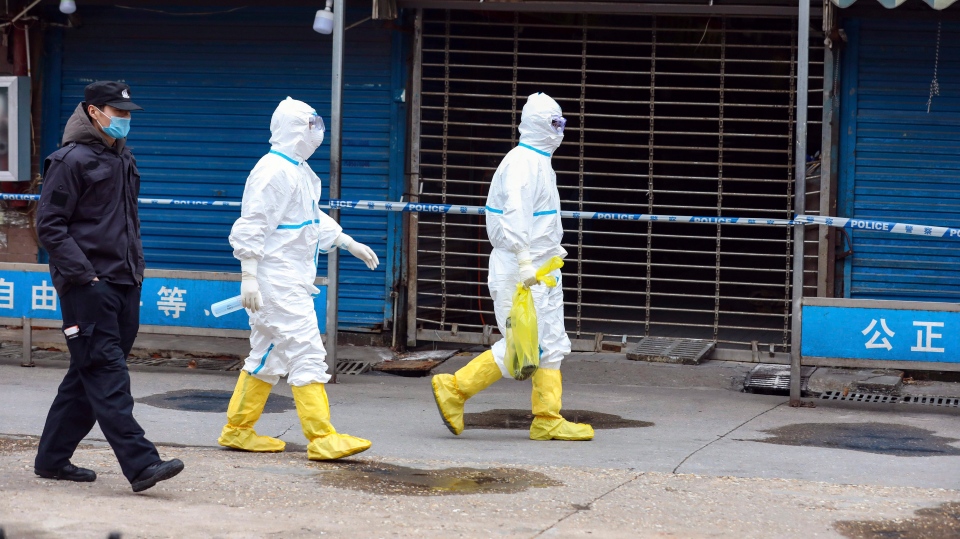
Workers in protective gear carry a bag containing a giant salamander that was reported to have escaped from the Huanan Seafood Market in Wuhan in central China's Hubei Province, Monday, Jan. 27, 2020. (Chinatopix via AP)

When the mysterious appearance of a strange pneumonia was discovered in patients admitted to hospitals in Wuhan, China in December of 2019, and soon afterward the virus began spreading outside China's borders, Beijing took exception to the virus, identified as a new coronavirus called SARS-CoV-2 being familiarly referred to as the 'Wuhan virus', until the World Health Organization gave it the pandemic name it is now known by, COVID-19.
 
And now that world powers like the United States and Great Britain are leading a drive for a full and deep investigation to discover the origins of the virus causing COVID-19, Beijing continues to deny that suspicions harboured by many in the West that the closed high-security Wuhan Virology Institute laboratory might possibly have loosed the virus accidentally, giving the virus its villainous start on its global predation. Chinese authorities found it much more palatable to insist that the Huanan wet market was a likelier source of the zoonotic when the pathogen made its leap from animal to human.

A growing clamour of voices calling for an independent, unbiased and unchaperoned-by-Chinese-authorities investigation take place to settle the question once and for all; whether the virus origins was a lab-held virus that made its escape or the leap of transmission between species. The WHO assembly was informed by a Chinese representative the official Chinese position that the "China part" of the origin-tracing study "has been completed". In other words: you want to study further, go right ahead but don't expect any cooperation from China. 
 
An interpreter made it clear as well that China was interested in seeing "a global origin-tracing cooperation" -- the translation of which is that China feels the hunt would be best carried out elsewhere than in China. Literally washing its hands of any further investigation, much less the thought that China would further lend itself to another such survey as the original WHO 'independent' investigation when the investigation team was comprised of more Chinese investigators than WHO investigators. 
 
And where the official presence of Chinese authorities at all interviews and site visits constrained a deep and useful investigation, topped off by China's refusal to allow the WHO investigators access to critical records. Chinese Foreign Ministry spokesperson Zhao Lijian suggested on Wednesday that U.S. sites should be explored -- reflecting Chinese specious 'speculation' the coronavirus could have emerged there. Surely derisively. 
 
Wuhan, a central Chinese city of 11 million people, is where China's first-ever BSL-4-certified laboratory is located. This is a rare classification identifying laboratories meant to work with the world's most lethal pathogens. When it was opened in 2018, the Wuhan Institute of Virology campus was recognized as specializing in coronavirus studies, particularly bat coronaviruses which just happen to represent the likely origin of COVID-19. 
 
The Wuhan Institute is noted for its  unusual housing of the "most comprehensive inventory of sampled bat viruses in the world", according to a January investigation by New York magazine, considered the most rigorous journalistic probe into the COVID-19 potential lab origins. In addition, the lab is understood to engage in gain-of-function experiments, where researchers attempt to supercharge coronaviruses to infect lab mice or human cell samples. Gain-of-function is meant to discover methods of combating the emergence of new viruses from nature, but it is also "exactly the kind of experiment from which a SARS-2-like virus could have emerged", explains a scientific breakdown of COVID-129 origins by The Wire, an Indian news site.

Given these incriminating circumstances, how likely is it that a novel coronavirus linked to bats might have simply by coincidence begun infecting humans who just happened to be located within easy walking distance of a laboratory that incidentally is the world centre for studying highly infectious bat coronaviruses? As a plot of fictitious origins it is hardly believable, as a scenario of real-time circumstances, there is no competition for the actual location of the Virology laboratory escape.

With respect to circumstantial identification of source, American diplomats back in 2018, long before the emergence of the coronavirus causing COVID, visited the Wuhan Institute of Virology and afterward drafted a cable to Washington complete with a heads-up warning of a mishap waiting to happen. Their distinct impression was that the facility's safety and security standards were lax enough to risk sparking a pandemic. According to the Washington Post, which headed the story, "The new lab has a serious shortage of appropriately trained technicians and investigators needed to safely operate this high-containment laboratory", read the cable.

Three years later, the revelation that a US. intelligence report that three workers at the Wuhan Institute were hospitalized "with symptoms consistent with both COVID19 and common seasonal illness", came out this week. Another very peculiar coincidence, this time bringing Canada into the narrative, when researcher Xiangguo Qiu, working at the high-security BSL-4 lab at the National Microbiology Laboratory in Winnipeg was escorted from the facility along with her scientist husband and a Chinese student, all later fired, with no public explanation.

The two-week investigation by the World Health Organization scientific team of ten, joined by a team of 17 Chinese scientists in Wuhan conducted interviews under constant supervision. The researchers spent a mere few hours at the Virology lab where select documents were presented for their examination but no forensic examination of lab protocols was undertaken, only a few supervised meetings with laboratory staff who assured them the institute had witnessed "no disruptions or incidents" at the time of the emergence of COVID-19.
"The lab leak hypothesis has picked up more adherents as time passes and scientists fail to detect a bat or other animal infected with a virus that has covid’s signature genetics. By contrast, within a few months of the start of the 2003 SARS pandemic, scientists found the culprit coronavirus in animals sold in Chinese markets. But samples from 80,000 animals to date have failed to turn up a virus pointing to the origins of SARS-CoV-2 — the virus that causes covid."
"The virus’s ancestors originated in bats in southern China, 600 miles from Wuhan. But covid contains unusual mutations or sequences that made it ideal for infecting people, an issue explored in depth by journalist Nicholas Wade."
"Scientists from the Wuhan Institute have collected thousands of coronavirus specimens from bats and registered them in databases closed to inspection. Could one of those viruses have escaped, perhaps after a “gain of function” experiment that rendered it more dangerous?"
Arthur Allen, KHN


Labels: , , , , , ,

Friday, May 28, 2021

The World Community Has a Right to Know

Wuhan Institute of Virology
Lab-leak theories centre on the Wuhan Institute of Virology   Reuters

"[Of the lab-leak theory]: That possibility certainly exists, and I am totally in favour of a full investigation of whether that could have happened."
"[I am] not convinced [the virus originated naturally]."
Dr.Anthony Fauci, U.S. President Biden's chief medical adviser   
 
"From day one China has been engaged in a massive cover-up."
"As the evidence for the lab-leak hypothesis grows, we should be demanding the full investigation of all origin hypotheses that's required."
Jamie Metzl, a fellow at the Washington-based Atlantic Council 
 
"We do need to be a bit patient but we also need to be diplomatic."
"We can't do this without support from China. It needs to be a no-blame environment."
Prof Dale Fisher, Singapore's National University Hospital 

"I've read it, [report released by the Washington Post calling into question when and how the SARS-CoV-2 virus emerged] it's a complete lie."
"Those claims are groundless. The lab has not been aware of this situation, and I don't even know where such information came from."
Yuan Zhiming, director, Wuhan National Biosafety Lab, Wuhan Institute of Virology, Wuhan, China
The story in the Wall Street Journal claims that three laboratory workers at the Wuhan Institute of Virology fell ill in November of 2019, and were admitted to hospital for treatment. A month later, China advised the World Health Organization of the sudden appearance of a zoonotic, a virus transmitted from animal to human, and that authorities in China felt confident the virus had erupted in a fresh food market where wild animals were sold and pangolins were the suspected source.

The U.S. intelligence report cited by the paper had originally been the product of an investigation authorized by then-President Donald Trump who stated  his determination to get to the bottom of the matter that he suspected was Beijing's lack of openness in alerting the world community of the presence of a galloping new virus with unknown properties but a surprising level of lethality, initially presenting as a new kind of pneumonia. 

It was the newspaper's contention and possible purpose of re-visiting the investigative report and coming away with greater details, that what it revealed could conceivably bring support to the evidence already in question, leading to a broader and deeper investigation into what many in the scientific community suspect -- and many others object to -- that the COVID-19 virus could have been a lab escapee.

What is undeniable unless new information arises, is that the first cases of a strange new pneumonia were being reported toward the end of December 2019 in the central Chinese city of Wuhan where coincidentally two high-security laboratories for the study of viruses were located. One laboratory had undertaken studies of viruses collected from bats in caves and theorized that the bats had infected pangolins and the pangolins carried the virus with them when they were trapped for sale at the live animal market in Wuhan.
 
Although rumours have circulated widely that the SARS-CoV-2 virus causing COVID-19 was not a zoonotic that naturally occurred, infecting people who had come in contact with a vector at the Wuhan market, but rather a laboratory-produced virus and that inept, insecure methods led to its escape, China has steadfastly denied any such allegations. Claiming instead that the lab theory was unproven and nonsensical and simply represented U.S. paranoia.
 
Instead Chinese authorities point to the possibility that the virus may very well not have originated in China, or Wuhan, at all, and was imported with frozen food from some other geographic location. Wildlife trading too was cited as a source, as well as a circulating virus that had emerged elsewhere and found its way to China by some unsuspected means. China's foreign ministry rejected the claim that three lab workers had been hospitalized, characterizing it as a lie.
 
The World Health Organization, which had sent an independent team of researchers to Wuhan months ago to undertake a detailed investigation, now entertains thought of another investigation, this time perhaps without Chinese authorities' interference, although without Beijing's approval for yet another group of scientists arriving in Wuhan there can be no follow-up of the original which declared its joint opinion that no lab escape of a virus was a likely explanation for the pandemic.
 
That opinion was reached despite that there were no unescorted interviews permitted where the investigators could privately, without interference and the presence of Chinese authorities, closely question someone who might have information critical to the investigation, nor were the investigators permitted to see collected data directly relevant to the more immediate Chinese investigation of the market where purportedly the outbreak was traced to.
 
According to Tarik Jasarevic, a spokesman for WHO, the organization's technical teams were currently making decisions on whether to proceed further and if so, how. Further study was obviously required into the role of animal markets, as well as the hypothesis of a lab leak. The issue, after all, is that of a lethal, minuscule, unseen pathogen seeking out new hosts, invading body cells and replicating wildly. A virus that has in the space of a year-and-a-half killed three and a half million people worldwide.  

Knowing its true origins could help medical science more fully understand the nature of the pathogen and how best to control it. It could also lead to techniques of detection and deterrence that could help avoid future such global pandemics. As well as teach both the global medical community and governments how best to anticipate new and perhaps even more deadly invasions of viruses from wild animal to humanity.
 
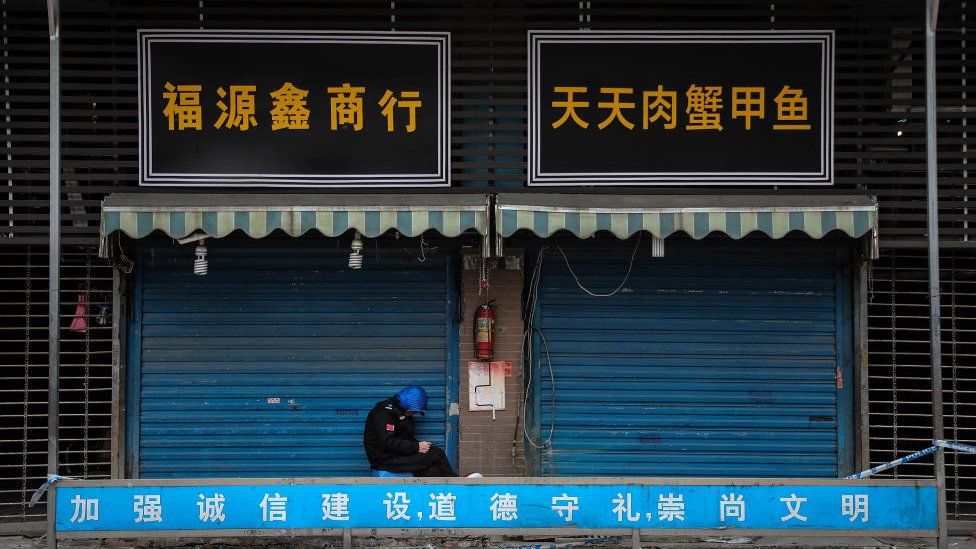
Huanan Seafood Wholesale Market in January, Wuhan
The Huanan Seafood Wholesale Market in Wuhan was linked to early Covid cases   Getty Images


Labels: , , , , ,

Thursday, April 01, 2021

COVID's Elusive Origins : WHO Report


World Health Organization (WHO) Director-General Tedros Adhanom Ghebreyesus speaks during a press conference at the World Health Organization headquarters in Geneva on June 25, 2020. (Fabrice Coffrini/AFP)
 Tedros Adhanom Ghebreyesus Fabrice Coffrini/AFP
"Although the team has concluded that a laboratory leak is the least likely hypothesis, this requires further investigation, potentially with additional missions involving specialist experts, which I am ready to deploy."
"[The international expert team had] expressed the difficulties they encountered in accessing raw data [while in China]."
"[The report also] raises further questions that will need to be addressed by further studies."
"I expect future collaborative studies to include more timely and comprehensive data sharing."
Tedros Adhanom Ghebreyesus, Director-General, World Health Organization
 
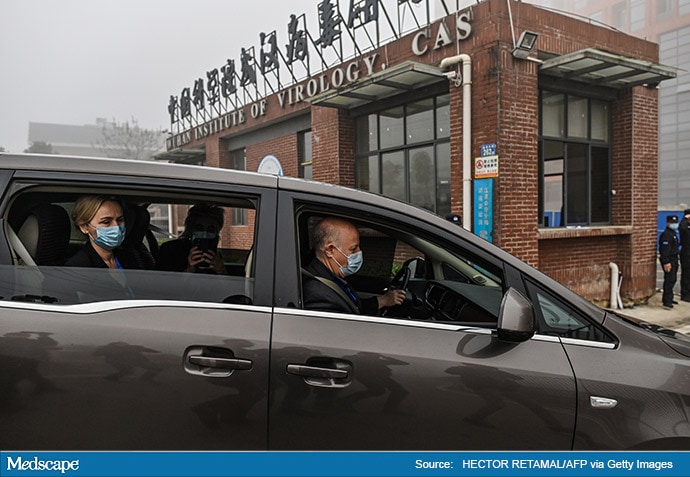
Members of the World Health Organization (WHO) team investigating the origins of the novel coronavirus arrive by car at the Wuhan Institute of Virology in Wuhan, in China’s central Hubei province on February 3, 2021. (Hector Retamal/AFP)

"I still think the most likely etiology of this pathogen in Wuhan was from a laboratory escape."
"Other people don't believe that, that's fine, science will eventually figure it out."
Robert Redfield, virologist, former head, Centres for Disease Control

"[The Institute saw] no disruptions or incidents."
"[A formal audit of the laboratory was] far beyond what our team is mandated to do or has the tools and capabilities to do."
"The fact that we assessed this hypothesis [that the SARS-CoV-2 virus escaped from the Wuhan Institute of Virology lab] as extremely unlikely doesn't mean it's ruled out."
Peter Ben Embarek, WHO investigative team
"We were allowed to ask whatever questions we wanted, and we got answers. The only evidence that people have for a lab leak is that there is a lab in Wuhan."
"A thousand samples [of animals sold at the Huanan market when the WHO investigative team took samples from 188 animals of 18 species at the market, all of which tested negative] is a great start, but there’s more to do."
WHO team member Peter Daszak
Woman selling live chickens and ducks in cages at a food market in Lanzhou, China
Animal markets like this one in China could be a source of the COVID-19 pandemic, according to the WHO report.   Credit: Eric Lafforgue/Art In All Of Us/Corbis via Getty

The World Health Organization's investigative team of ten travelled to Wuhan, China for the express purpose of conducting an unbiased, scientific survey of any available evidence in an attempt to determine the source of the SARS-CoV-2 virus that swept the world when it first surfaced as a strange new pneumonia-like pathogen deadlier and more infectious than most viruses that erupt from time to time in the East and spread eventually worldwide. The WHO team had plenty of local assistance in their diligent search for answers during their two-week stay.

There were quite a few interviews and on-site examinations, bearing in mind that the team had to first isolate on arriving in China before they could proceed. With them throughout their investigative exercise was a matching team of Chinese scientists to give them aid and direction, some 17 in number. The People's Republic of China was deeply and sincerely invested in the search for the origins of the novel coornavirus, making certain that at all times the WHO researchers were escorted by Chinese officialdom.

WHO microbiologists and medical researchers fully intended to do a thorough and creditable job of searching for answers while conducting interviews under constant supervision in the presence of government officials. Needless to say every individual who was questioned to gain a wider and more full understanding of what had occurred would have been under a certain level of constraint, testifying under the fixed scrutiny of government agents. In their minds no doubt, the fate of Li Wenliang accused of 'spreading harmful rumours' when he first alerted his colleagues to the presence of a threatening new virus. Before he himself died of COVID.

"It's essentially a highly-chaperoned, highly-curated study tour ... this group of experts only saw what the Chinese government wanted them to see", explained Jamie Metzl, former senior adviser to then-U.S.President Bill Clinton. What is known is simply that a novel coronavirus erupted from some source within walking distance of the high-security laboratory under the aegis of the Wuhan Institute of Virology specializing in the study of coronaviruses. It is also known that the laboratory is located not far from the wild animal 'wet' market where both domestic animals and exotic animals were sold, dead and alive.

And it was the market that Chinese authorities pointed to as the unfortunate source of cross-species, animal-to-human viral vector. These wet markets exist throughout Asia where an insatiable appetite for exotic animals like bats, snakes, pangolins and many other creatures can be satisfied. Crossing the species barrier for pathogens is rare, but it does happen. It did with AIDS and we know what agony that led to throughout the world.
"We could show the virus was circulating in the market as early as December 2019."
"A lot of good leads were suggested in this report, and we anticipate that many, if not all of them, will be followed through because we owe it to the world to understand what happened, why and how to prevent it from happening again."
Peter Ben Embarek,  co-leader, WHO investigative team
Long before the novel coronavirus was identified, the Wuhan Institute of Virology had come in for lax safety regulation criticism when a U.S. team of scientists had visited the premises and felt alarm at the situation prevailing there. That very same laboratory is involved in a security breach that took place in Canada's own National Microbiology Laboratory in Winnipeg when a high-profile Chinese scientist and her husband, both employed there, were escorted from the lab never to return. Involved in an unauthorized transfer of highly sensitive biological samples from there to the Wuhan lab.

The team of WHO investigators appear to have reached the conclusion through a joint report that a lab escape of the coronavirus was to be regarded as "extremely unlikely" following a brief examination of the Wuhan Institute of Virology. Four hours were spent at the facility by the WHO team, the investigation limited to interviews with laboratory staffers where the investigators were informed that no disruptions or incidents occurred, and nor did the WHO investigators request collaborative documentation.

The Beijing government appears to have withheld case data from outside investigators, the WHO team no exception. China, it would appear, deigned not to honour a request to turn over 174 health records from the first patients in Wuhan to contract COVID-19: "They showed us a couple of examples, but that's not the same as doing all of them, which is standard epidemiological investigation", explained Dominic Dwyer of the WHO team.

What the WHO team reported was that 92 cases of Wuhan patients exhibiting COVID-like symptoms were documented in October of 2019, quite a few weeks before the officially recognized first cases were reported by the Chinese government. The investigators were given Chinese assurances that serological tests indicated no link to COVID-19.


Labels: , , , , ,

Tuesday, February 02, 2021

Beijing, Vindicatng Itself


An old man looking at somewhere far away from him
Mr Zhang's father (Supplied: Zhang Hai)
"Very important site visits today -- a wholesale market first & Huanan Seafood Market just now."  "Very informative & critical for our joint teams to understand the epidemiology of COVID as it started to spread at the end of 2019."
Peter Daszak, zoologist with U.S. group EcoHealth Alliance, member of WHO team
 
"The government's first priority is to protect the people's health and safety, but it failed to inform the public as soon as the coronavirus outbreak happened."
"My father, a very patriotic soldier, had devoted his youth to the nation … but he was killed by COVID-19 in his later life."
"The epidemic would never happen if the government had truly put the people's interest [as their] first priority."
"[He wouldn't trust visits organized and limited by the Chinese government, and thought the information patients gave could be] highly suspicious."
"They could have been trained many months ago, and been ordered to stage and repeat the government's narrative."
"I am highly concerned that the WHO experts in Wuhan are not a match for these counterfeiters."
 Zhang Hai, 51, Wuhan resident
 
WHO experts went to an exhibition in Wuhan
The WHO team visits an exhibition about the Government's successful response to contain the coronavirus in Wuhan on Saturday.   (AP: Ng Han Guan)
"[I had] police interviews, cameras pointing at home, and dismissal from work. They pressured my families, stalked my activities, which is completely unscrupulous."
"[I am told] don't contact the foreign media, because it will be used by anti-China forces, which is detrimental to our country."
"I just want everyone to know that the government is a murderer for hiding the epidemic."
 Parent who lost an only child

Government propaganda for the Chinese Communist Party officially denies it was in any way irresponsible over its handling of the SARS-CoV-2 virus that causes COVID-19, over charges that it waited too long to warn the international community and the World Health Organization of its discovery of a strange new pneumonia-like illness that was plaguing people in Wuhan City. Its assurance when it did alert the WHO that person-to-person transmission was unlikely was inaccurate and harmful to the world's understanding of what was unfolding.

Not only does Beijing deny that it acted in anything but a responsible manner, but it also denies that the virus itself first emerged in Hubei Province, northern China. Rather, the propaganda slyly insists it emerged elsewhere, abroad, and was imported to China. That happened in one of two ways, they claim; either through infected frozen meat exported by a European country into China, or it was deliberately brought to China by U.S. agents. 

Beijing's inexcusable attempts to hide the presence of a new, highly contagious and lethal-to-the-elderly virus, its silencing of physicians in Wuhan hospitals who raised the alarm, threatening them and accusing them of spreading 'false news', also did not happen, but represents a malicious attempt on the part of the West to smear China. Casually speaking of the virus as the 'Wuhan virus', or the 'Chinese virus' sends Beijing into paroxysms of fury, but not a word is murmured by the WHO about racism when the media speak of the new 'U.K.' mutation', or the 'South African' variant.

Beijing screamed bloody murder and called it racism when other countries began to close their borders to China, and the World Health Organization chastised those that did, wagging a finger of racism at them as well. Yet once China succeeded during the first wave of the coronavirus to achieve a measure of control, it closed its borders to entry from abroad, where Italy and Spain in particular were experiencing a crisis in runaway COVID infection rates overwhelming their health care systems.

Wuhan
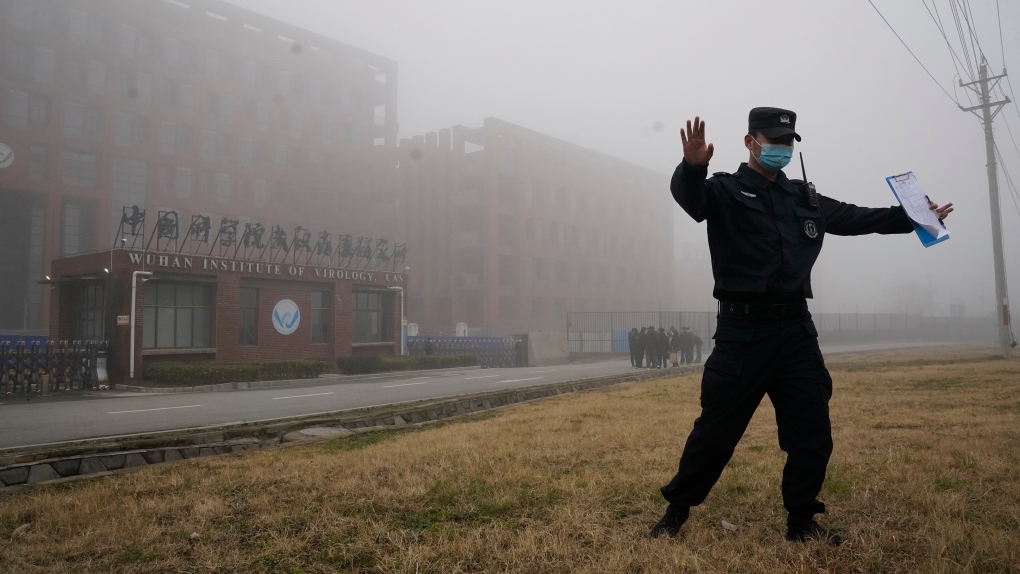
A security person moves journalists away from the Wuhan Institute of Virology after a World Health Organization team arrived for a field visit in Wuhan in China's Hubei province on Wednesday, Feb. 3, 2021. The WHO team is investigating the origins of the coronavirus pandemic has visited two disease control centers in the province. (AP Photo/Ng Han Guan)

American authorities and some U.S. bioscientists raised the possibility that the virus was an escapee of a biohazard laboratory located not far from the Wuhan live meat market which sold pangolin, wolf cubs, bats, snakes and other live animals for slaughter for the human palate and where the presence of the SARS-CoV-2 virus was first said to have emerged. To this day there is no consensus of opinion over that hypothesis; eminent scientists declare it to be hugely unlikely while others retain suspicion.

China delayed the entry of the WHO team of investigators to Wuhan City although it had initially agreed that it would cooperate with their mission to study the breakout of the virus that had crossed the species barrier from wild animals to human victims, not an entirely rare occurrence and invariably difficult to control. But after delays and controversy, the team, having undergone a 14-day mandatory isolation period on arrival in China, is now into its third day of a two-week investigation.
"The team plans to visit hospitals, laboratories and markets. Field visits will include the Wuhan Institute of Virology, Huanan market, Wuhan CDC [Center for Disease Control and Prevention] laboratory."
"All hypotheses are on the table as the team follows the science in their work. They should receive the support, access and the data they need."
World Health Organization statement
 
"It is now that the actual field work can begin, and it is my expectation that for this part of the mission we will have unhindered access to the requested destinations and individuals."
"But it is important to remember that the success of this mission and origin-tracing is 100 percent depending on access to the relevant sources."
"No matter how competent we are, how hard we work and how many stones we try to turn, this can only be possible with the support from China."
Thea Fischer, Danish team member
China's foreign ministry for its part said the WHO team is scheduled to participate in seminars, visits and field trips, and it is no doubt hoping that it can de-politicize the assumptions some of the WHO members come equipped with, while carrying on its own politicization of a topic so overwhelmingly pervasive throughout the world and so deadly that millions of lives globally have been lost to the viral predator. Beijing, by setting its own program for the visit before the investigators, likely seeks to diminish the time allotted for the WHO members' own agenda while consuming that time in 'meetings'.
 
Beijing has also made it abundantly clear that it has complete control over where the WHO team will be escorted, always in the presence of handlers. And the many Chinese who are intent on being interviewed by the WHO team while Chinese authorities harass and threaten their outspokenness, is simply yet another facet of a lost cause; try as they sincerely will, with the obstacles placed in their path to fulfilling their mission, it is highly unlikely the WHO will come away with anything but Beijing's approved narrative.
 
Wuhan
A worker in protective overall passes by a warehouse at the Baishazhou wholesale market during a visit by the World Health Organization on the third day of field visit in Wuhan in central China's Hubei province on Sunday, Jan. 31, 2021. (AP Photo/Ng Han Guan)

Labels: , , , , , ,

Friday, January 15, 2021

Origins of COVID Under WHO Investigation in China

"My understanding is in fact there is no limit in accessing information we might need for the team."
"We will see. We are not in China yet."
Hung Nguyen, Vietnamese biologist

"What we would like to do with the international team and counterparts in China is to go back in the Wuhan environment, re-interview in-depth the initial cases, try to find other cases that were not detected at that time and try to see if we can push back the history of the first cases."
Peter Ben Embarek, WHO expert on animal diseases crossing species barrier
 
"We are looking for the answers here that may save us in future — not culprits and not people to blame."
"[The WHO is willing to go] anywhere and everywhere."
World Health Organization top emergency expert, Mike Ryan 
 
"At this stage what I think we need is a very open mind when trying to step back into the events that led eventually to this pandemic."
Marion Koopmans, virologist, Erasmus University Medical Center, Netherlands 
 
A worker in protective coverings directs members of the World Health Organization team on their arrival at the airport in Wuhan, in central China's Hubei province, on Thursday. (Ng Han Guan/The Associated Press)

An earlier attempt by WHO experts who set out to investigate the origins, extent and the host country's initial realization they were dealing with a novel coronavirus and the information they shared with the World Health Organization, resulted in a disappointing setback when members of the team were denied authorization by China to enter the country to fulfill the function they were dispatched by the world  health body to accomplish. At the time WHO chief Tetros Adhanom Ghebreyesus had voiced his disappointment and China responded that there had been a 'misunderstanding'.
 
That misunderstanding appears now to have been settled and the WHO team of expert investigators set off once again -- comprised of global scientists, experts in their field -- to investigate the novel coronavirus origins, planning to spend a month in the city of Wuhan. Just having arrived now, their first two weeks will be spent in quarantine. Before their arrival, Hung Nguyen, speaking via video-call from Singapore said the ten-member team did not expect to encounter any restrictions to their movements nor access to vital investigation sites.
 
They were preparing at that point to fly from Singapore to Wuhan. The end result of their investigation would presumably put to rest the skepticism voiced by the governments of the United States and Australia, to mention several of the more prominent voices demanding answers of Beijing. China has been accused of screening the extent of the initial outbreak leading to calls for a transparent investigation led by the WHO in the wake of criticisms of the terms by which experts in China conducted their research during the SARS-CoV-2 virus's initial entrance. 

The group arrived late in the morning from Singapore and was expected to head into two weeks of quarantine. (Thomas Peter/Reuters)

Dr.Hung explained in a media interview that the WHO team  had conducted regular virtual meetings for discussions with their Chinese virus-expert counterparts, taking place over the months before the team embarked on their trip to China. Once their period of quarantine had lapsed, the team planned to spend the following two weeks in interviews with people from research institutes, hospitals and from the seafood market in Wuhan where the pathogen was believed to have first emerged and began its spread, eventually appearing everywhere across the globe.

Dr.Hung's expertise is in the field of food safety risks arising from wet markets, whose existence is common throughout Asia and parts of Africa. He is himself based in Kenya, and he was chosen to take part in the investigative mission taking advantage of his training and experience. China has pushed back against international criticism as the crucible of yet another malignant virus that managed to leap the species gap between animals and humans; bats and pangolins considered to be vectors. Pangolins happen to be the most trafficked wild-animal species found in wet markets.

China has its own narrative of the novel coronavirus origins; that it was brought to China, not that it originated in China. Its state media has been expressing and promulgating a home-grown narrative of the virus being present in imported frozen food packaging from abroad. That it was present in 2019 in Europe. China being made a scapegoat for something it was not at all responsible for. And China has produced scientific papers featuring those claims. 
 
Before the WHO delegation of experts left for China they underwent COVID-19 tests in their countries of origin and then again in Singapore, all negative, which cleared them all for travel. On arrival in China additional, more complex tests were taken that showed two members of the delegation had bloodstream antibodies to COVID, and they were denied entry. 
 
Nucleic acid tests were negative but two of the members had coronavirus antibodies. "They are being retested for both IgM and IgG antibodies", explained the WHO. "Relevant epidemic prevention and control requirements and regulations will be strictly enforced", noted Chinese foreign ministry spokesman Zhao Lijian at a briefing update Thursday responding to a question about the two team members.

People wearing face masks walk in a street market in Wuhan, Hubei province, the epicentre of China's novel coronavirus disease, in April 2020. The WHO team, which landed Thursday, will spend two weeks interviewing people from research institutes, hospitals and the Wuhan seafood market market where the new pathogen is believed to have emerged. (Aly Song/Reuters)

Labels: , , , , ,


Labels: , , , , ,

Follow @rheytah Tweet